
Heian
Kyoto · 平安Browse Kyoto’s cultural heritage from the Heian period (794 – 1185). Filter by type and keyword, with concise stories, maps, and travel tips.
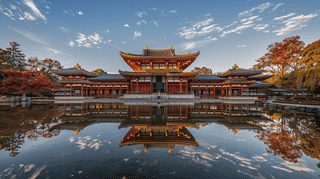
The Phoenix Hall of Byodoin in Uji, built in 1053, is four symmetrical buildings, a central hall, two floorless wings and a tail, facing a pond as a Pure Land palace
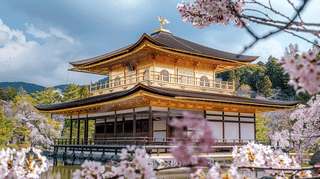
A Buddhist hall at Daigoji in Kyoto, moved here from Yuasa in Kishu between 1598 and 1600. Its year of building is unknown; the largest surviving late Heian work.
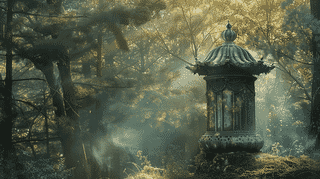
Finds from sutra mounds at Kuramadera in Kyoto, over twenty entries including three reliquary pagodas. Inscriptions show deposits made over 140 years from 1120.
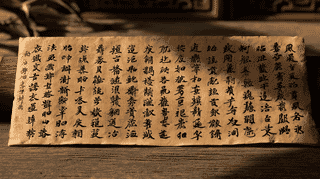
A Chinese calligraphy album in Kyoto Prefecture, the Thousand Character Classic written twice in two scripts. The Agency leaves the maker field blank.
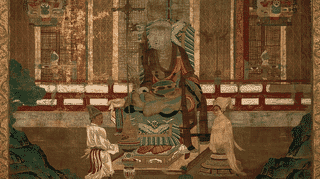
A Buddhist painting in sixteen scrolls owned by Seiryoji in Kyoto. The record gives its country as Song and its period as Northern Song, not as Japan.
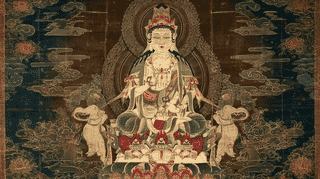
A Heian Buddhist painting on one scroll, owned by Matsunoodera in Maizuru, Kyoto. The whole of its official commentary runs to a single short sentence.
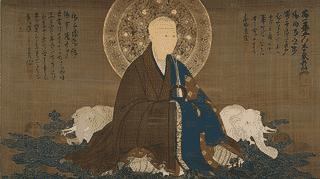
A Southern Song painting on one scroll at Tofukuji, Kyoto, showing the full figure. It came down in a single box with a second scroll of the same title.
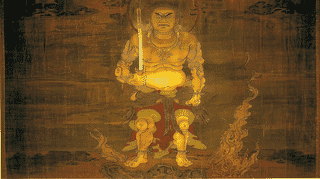
A Heian-period Buddhist painting on one scroll at Manshuin in Kyoto. Works of the very same name are listed by a prefecture and by a city as well as nationally.
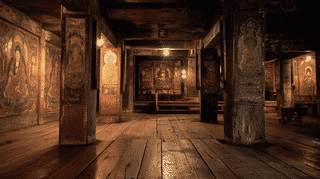
Eighteen painted surfaces inside a Heian-period pagoda at Daigoji in Kyoto, finished in 951 at the very same moment that the pagoda itself had been done.
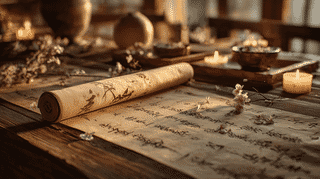
Nine manuscript volumes at Kyoto University in Kyoto Prefecture. The title of the work itself can be established from this one surviving copy of them.
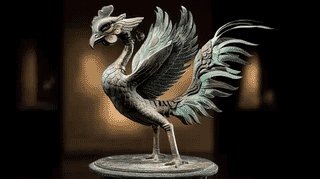
A pair of Heian-period gilt bronze phoenixes owned by Byodoin, which once stood upon the great ridge of the Phoenix Hall and were later taken down from it.
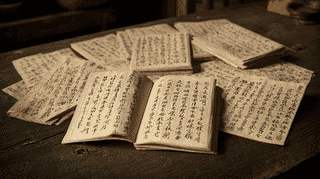
Thirty Heian-period booklets at Ninnaji in Kyoto Prefecture. The box that was made for them was listed as a National Treasure on that very same day.
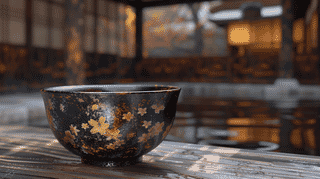
A Southern Song tea bowl held at Shokokuji in Kyoto Prefecture. On the inside, the pattern is formed exactly where the upper glaze was simply left off.
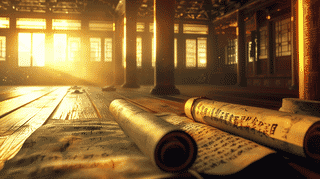
Three Tang-dynasty scrolls at Kosanji in Kyoto Prefecture. The country field of the official record reads China here, and it does not read Japan at all.

Old documents at Yasaka Shrine in Kyoto Prefecture. The title counts 2,205 separate pieces, while the quantity field counts the scrolls that hold them.
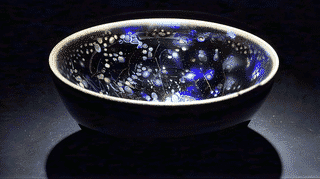
A tea bowl held at Ryukoin in Kyoto Prefecture. Yet another bowl of the very same name is recorded there under a different system of listing altogether.
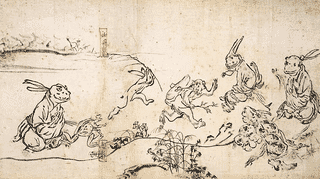
Four handscrolls at Kosanji in Kyoto, of the Heian and Kamakura periods. Another record shows that the first of them had once been two separate scrolls.
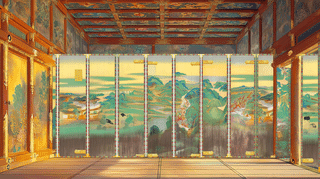
Fourteen painted surfaces inside the Phoenix Hall at Byodoin in Uji, Kyoto, dating from 1053, the very year in which the hall around them was completed.
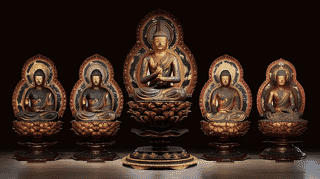
Five Heian-period sculptures at the Kyoto National Museum, owned by Anshoji. A hundred and nine full years separate the two listings that they now hold.
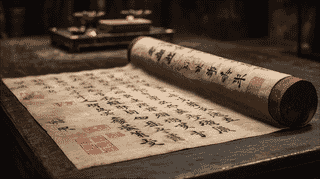
A Tang-dynasty copy of a letter by Wang Xizhi, kept in Tokyo. Nothing at all in his own hand survives, and so the copy itself is now the treasure here.