
Kamakura
Kyoto · 鎌倉Browse Kyoto’s cultural heritage from the Kamakura period (1185 – 1333). Filter by type and keyword, with concise stories, maps, and travel tips.
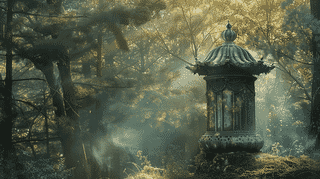
Finds from sutra mounds at Kuramadera in Kyoto, over twenty entries including three reliquary pagodas. Inscriptions show deposits made over 140 years from 1120.
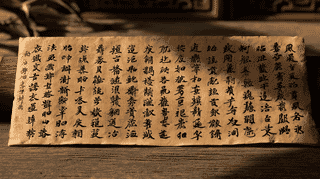
A Chinese calligraphy album in Kyoto Prefecture, the Thousand Character Classic written twice in two scripts. The Agency leaves the maker field blank.
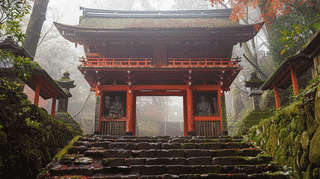
A two-storey gate of the Kamakura period on Kimino-san in Ayabe, Kyoto, roofed in thick chestnut boards. An inscription found in repair fixed its date.
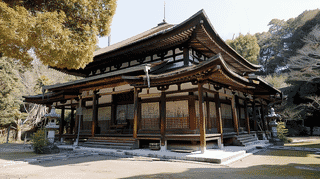
An early Kamakura Buddhist hall at Hokaiji in Fushimi, Kyoto, five bays square. Heavenly beings are painted across its columns and over its ceiling alike.
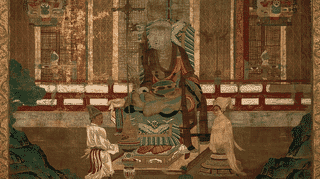
A Buddhist painting in sixteen scrolls owned by Seiryoji in Kyoto. The record gives its country as Song and its period as Northern Song, not as Japan.
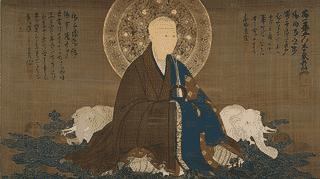
A Southern Song painting on one scroll at Tofukuji, Kyoto, showing the full figure. It came down in a single box with a second scroll of the same title.
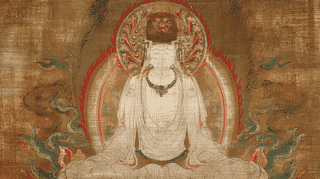
A Kamakura-period Buddhist painting on one scroll, owned by Kosanji in Kyoto. The whole of its official commentary runs to just a single short sentence.
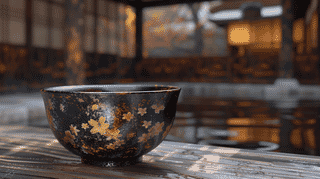
A Southern Song tea bowl held at Shokokuji in Kyoto Prefecture. On the inside, the pattern is formed exactly where the upper glaze was simply left off.
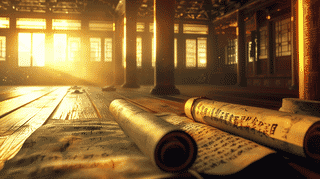
Three Tang-dynasty scrolls at Kosanji in Kyoto Prefecture. The country field of the official record reads China here, and it does not read Japan at all.
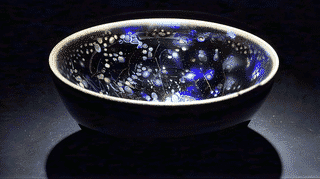
A tea bowl held at Ryukoin in Kyoto Prefecture. Yet another bowl of the very same name is recorded there under a different system of listing altogether.
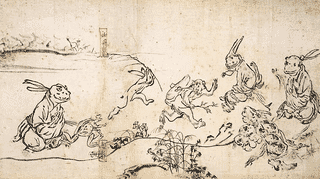
Four handscrolls at Kosanji in Kyoto, of the Heian and Kamakura periods. Another record shows that the first of them had once been two separate scrolls.
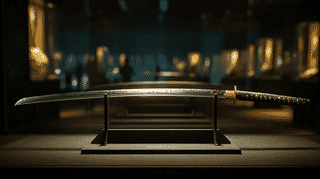
A Kamakura-period katana at the Tokyo National Museum in Tokyo. Its tang was cut right back, so the name of the maker had to be inlaid in gold later on.
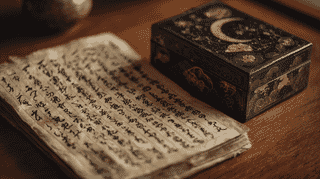
A manuscript in Teika's own hand kept in Tokyo. The same disordered leaves running through all the later copies proved this one to be the ancestor.
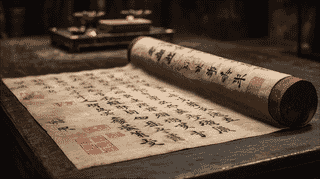
A Tang-dynasty copy of a letter by Wang Xizhi, kept in Tokyo. Nothing at all in his own hand survives, and so the copy itself is now the treasure here.
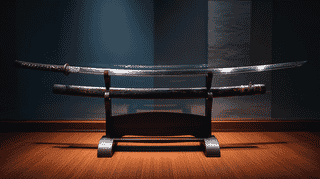
A Kamakura-period tachi held at the Tokyo National Museum in Tokyo. Its tang was never once cut back at all, and so the smith's own signature survives.

Discover the Okuiri, a National Treasure commentary on The Tale of Genji handwritten by the legendary poet Fujiwara no Teika around 1233. Learn about this invaluable manuscript's history, significance, and its role in preserving Japan's greatest literary masterpiece.
An Important Cultural Property preserved in Kyoto, this silk-mounted hanging scroll portrays Bai Juyi (Hakurakuten), the Tang dynasty Chinese poet whose verse most profoundly shaped Heian-period Japanese literature. Famous for the Song of Everlasting Sorrow and the Song of the Pipa, Bai Juyi inspired masterpieces such as The Tale of Genji and The Pillow Book. The painting embodies refined silk-painting craftsmanship and the deep cultural dialogue between East Asian civilizations, complemented by the Kyoto National Museum and the Gion Festival's Hakurakuten-yama float.
Discover the Hōrōkaku Mandala (Color on Silk), a rare esoteric Buddhist painting linked to Kyoto's Shingon tradition. Explore its symbolism, the Pavilion of Treasures, and how to experience this spiritual heritage.
The Koogimi-shu copies a Heian poet's verse in a Kamakura hand. Named an Important Cultural Property in 1939, it is now missing. Where her calligraphy survives.
Held in a private Kyoto collection, this Important Cultural Property is a fragment from the early thirteenth-century Satake Version of the Thirty-Six Immortal Poets handscrolls. The hanging scroll depicts the Heian-period priest-poet Sosei Hōshi in the realistic nise-e style, with painting traditionally attributed to Fujiwara no Nobuzane and calligraphy to Gokyōgoku Yoshitsune. Famous for the 1919 division of the original scrolls, this fragment stands as a landmark of Kamakura court portraiture.