
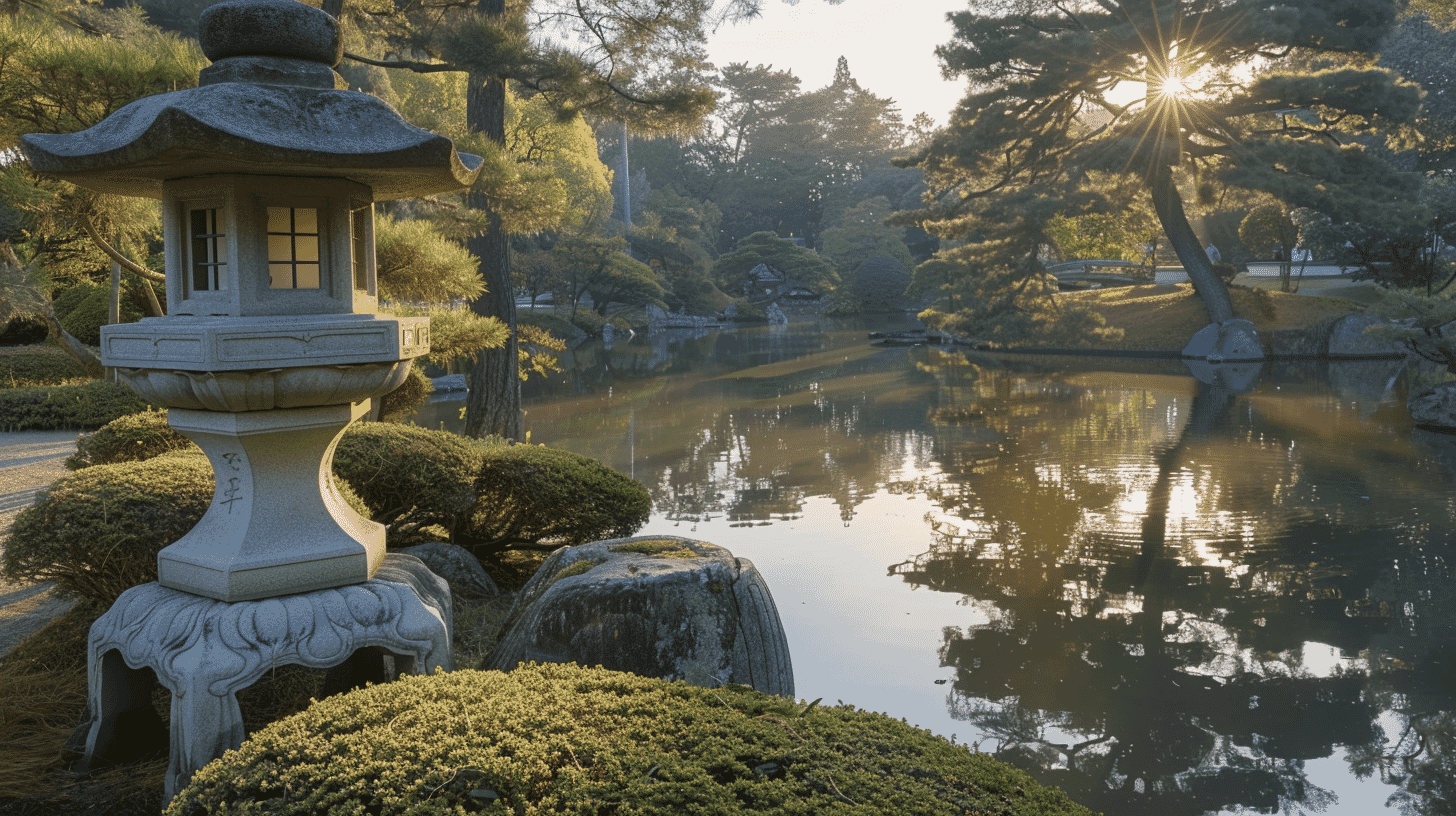
Kanazawa's gardens, teahouses, and gold-leaf arts headline Ishikawa. See cultural properties with walking maps around the castle town.
National Treasures
Important Cultural Properties

Built in 1709 beside the Daishōji River, Chōryūtei is a small sukiya pavilion and Important Cultural...
Built in 1643 by a Kaga lord for his great-grandfather Tokugawa Ieyasu, this vermilion shrine in Kan...
One of three Edo-period buildings to survive the 1881 fire at Kanazawa Castle, this 48-metre lead-ti...
Discover the Former Ishikawa Prefecture Second Junior High School Main Building, a nationally design...
A red brick schoolhouse in Kanazawa, completed in 1891, was designed by Yamaguchi Hanroku, who train...
Built in 1702 at Daijoji, a Soto Zen monastery near Kanazawa, this hall blends the Zen, Japanese, an...
Other Heritage
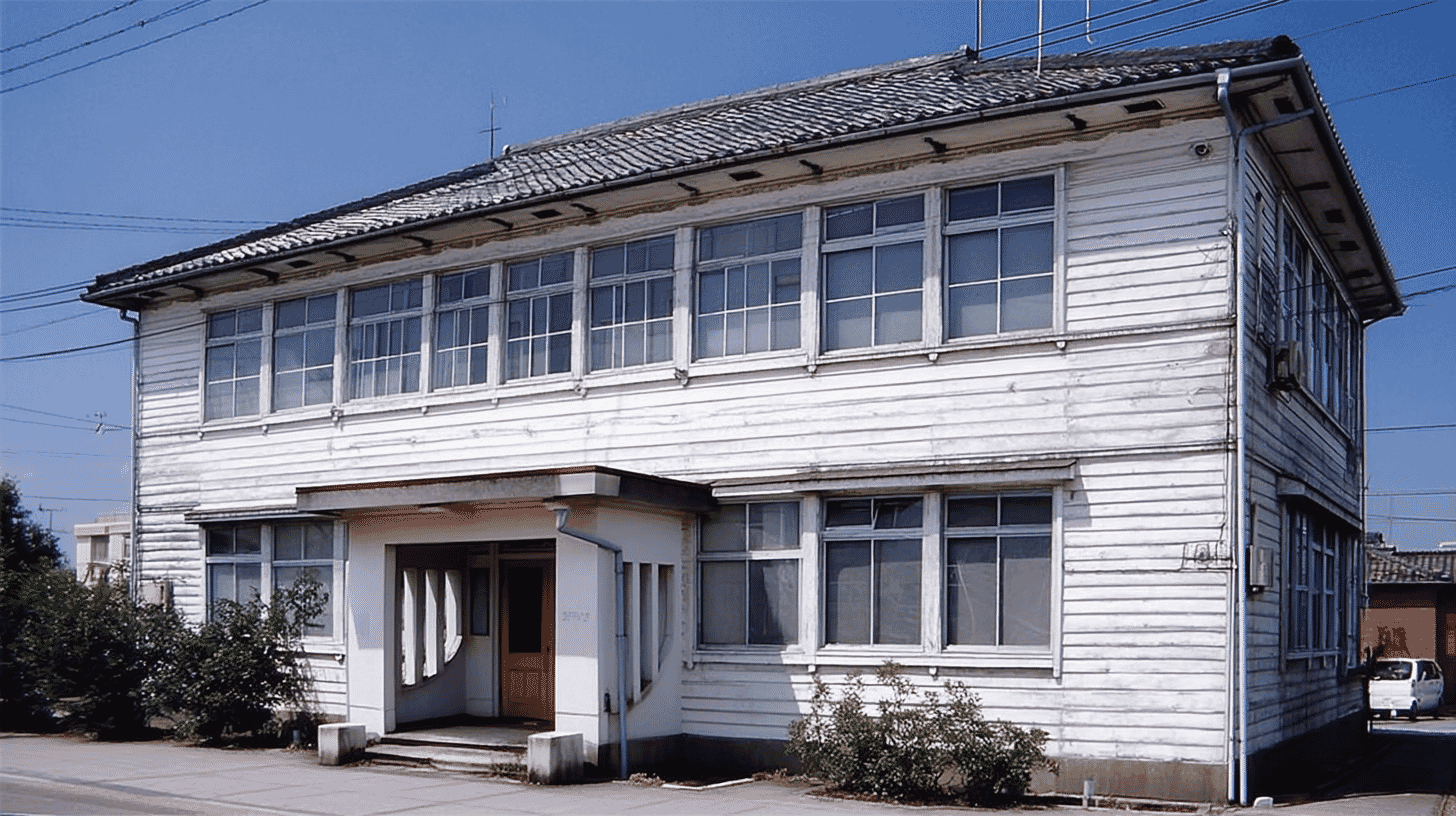
Discover Toita Hall, a beautifully preserved 1940s wooden village office building in Kanazawa, desig...
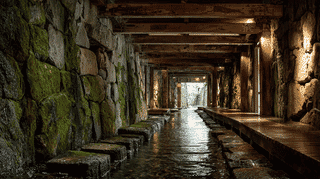
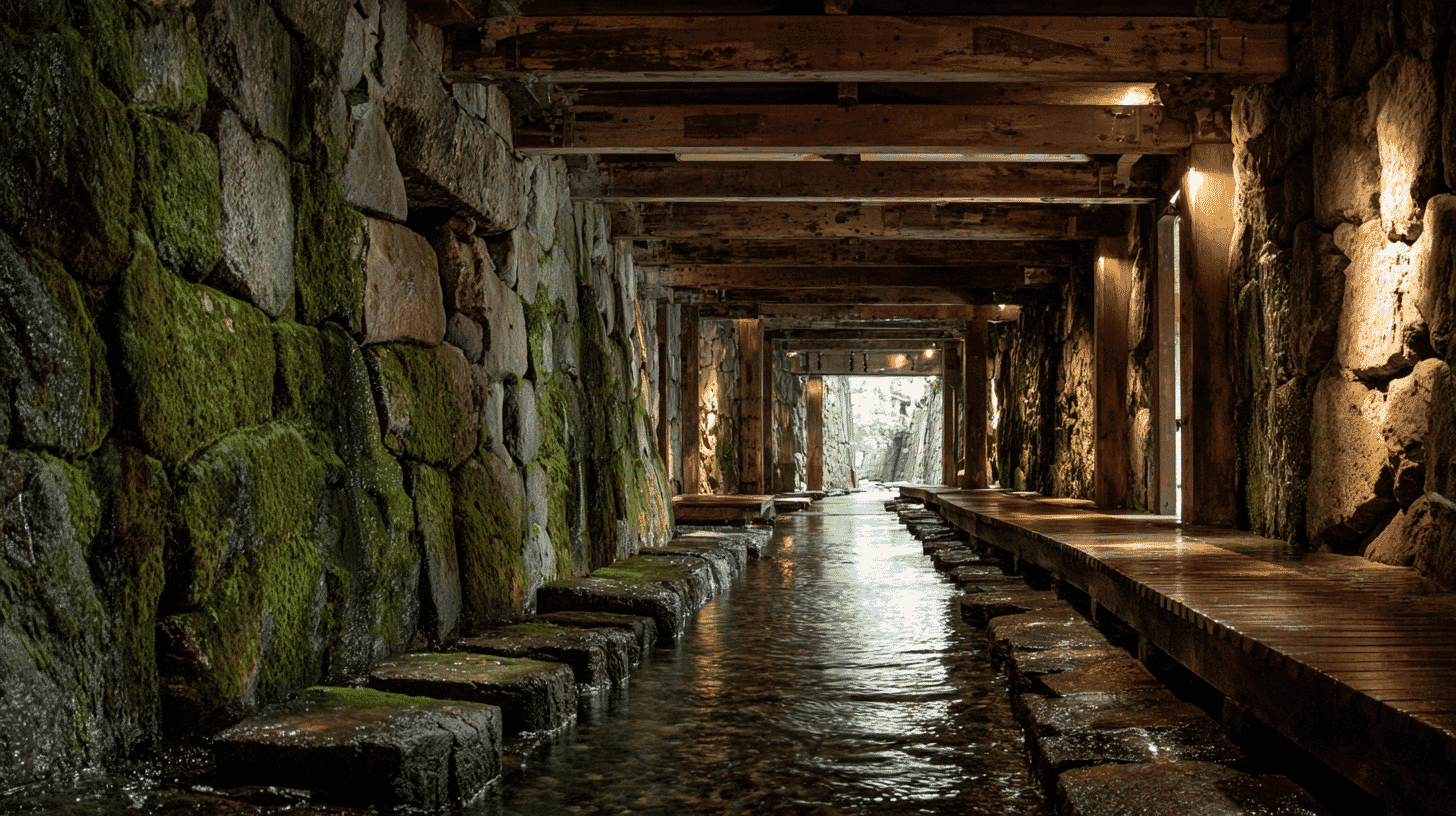
Discover Kanazawa's Tatsumi Yousui Canal, a National Historic Site featuring 17th-century tunnel eng...
The Yoshizaki-Sueba Site in Hakui, Ishikawa, is a large Yayoi village whose layered pottery set Hoku...
On Noto's Uchiura coast, the Mawaki Site was a Jomon settlement lived in for some 4,000 years, leavi...
A two-story earthen storehouse built in late-Edo Kanazawa for a middle-rank samurai family. Plain bu...
A registered Meiji folk house on Kanazawa's wooded northern edge, the Itō Residence raises an azumad...
About Ishikawa
Kenrokuen Garden, representative Edo period daimyo garden, ranks among Japan's three great gardens with Okayama's Korakuen and Mito's Kairakuen. This stroll garden, cultivated over approximately 180 years as Kaga domain Maeda family garden, offers seasonal beauty. Particularly, winter scenery with yukitsuri (rope supports) represents Kanazawa's famous tradition nationwide. Named "Kenrokuen" for combining six landscapes recorded in Song poet Li Gefei's "Luoyang Famous Garden Record."
Kanazawa Castle, flourishing as million-koku Maeda family residence castle, is currently maintained as Kanazawa Castle Park. Ishikawa Gate, Sanjukken Nagaya, and Tsurumaru Storehouse are designated important cultural properties, with recent faithful reconstructions including Gojukken Nagaya and Kahoku Gate. Stone wall techniques are highly valued, displaying various era construction methods.
Higashi Chaya District, one of Kanazawa's three geisha districts, preserves Edo period teahouse architecture as Important Preservation District for Groups of Traditional Buildings. Townhouses with lattice doors line streets, continuing geisha culture today. Teahouse "Shima," designated national important cultural property, reveals period teahouse conditions.
Ishikawa Prefecture represents traditional craft treasure trove, particularly famous for Kutani porcelain, Kanazawa gold leaf, Wajima lacquerware, and Kaga yuzen dyeing. Kutani porcelain, colored porcelain with approximately 360 years history, features gorgeous painting using "Kutani five colors" - red, yellow, green, purple, and dark blue pigments. Kanazawa gold leaf comprises about 99% national share, used widely from architectural decoration to crafts.
Wajima lacquerware, produced in Wajima City on Noto Peninsula, achieves extremely durable finishes using diatomaceous earth in undercoating. Decorative techniques including chinkin and maki-e developed, creating wide-ranging products from daily use to artworks.
Kaga cuisine, local cuisine developed under Kaga domain warrior cuisine and Kyoto cuisine influences, features representative dishes including jibu-ni, Kaga vegetable cuisine, and duck jibu-ni. Kanazawa, blessed with fresh Japan Sea seafood and Kaga vegetables, developed refined food culture.
Noto Peninsula, naturally rich region where Noto's Satoyama and Satoumi gained 2007 Globally Important Agricultural Heritage Systems recognition, features attractions including Wajima morning markets, Shiroyone Senmaida terraced rice fields, and Gankutsu rock formations. Particularly, Chirihama Nagisa Driveway is famous as Japan's only road drivable on sandy beaches.
Wagashi culture also developed, with Kanazawa called "wagashi kingdom" for numerous confection shops. Elegant wagashi including rakugan, kintsuba, and anko-mochi, developed alongside tea ceremony culture, can be enjoyed.
Browse by Type
Designation categories represented in the prefecture, with counts.
Idli Festival at Ukawa Sugawara Shrine · Oguchi's Twist · Kaga Manzai
Amenomiya Kofun Group · Iwama Fountain Towers · Ota's Big Horse Chestnut Tree
Kaga City Kaga Hashidate · Kaga Higashiya, Kaga City · Foot of Mt. Utatsu, Kanazawa City
Magaki Village Scenery in Osawa and Kami-Osawa · The Cultural Landscape of Coastal Erosion Control Forests · Kanazawa's Cultural Landscape Castle Town Tradition and
Oguchi's Twist · About Oku-Noto's Ae · Kumakabe 20th Day Festival Frame Flag Event
Hoshi Garden
Noto Ishiru and Ishiri Manufacturing Technology
Akakura Family Residence Main Building · Akatsukiya · Asanaga Family Main Building
Equipment for Manufacturing and Selling Prescription · Nanao's Bride Curtain
Ishikawa in Periods
Periods represented by designated properties in the prefecture.
Ishikawa Travel Stories
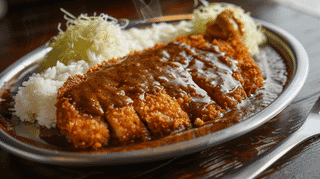
Explore Kenrokuen Garden, then refuel with Kanazawa Curry—thick dark roux, massive tonkatsu, and shredded cabbage on a steel plate. Student blogger Yuto shares a 90-minute route with budget tips, payment methods, English support, and portion advice. Essential Kanazawa food guide for international travelers.

Practical guide to Kanazawa's legendary sushi restaurant Komatsuyasuke, where 93-year-old master Kazuo Morita still grips, plus an efficient 2-hour route covering 2 National Treasures at Ishikawa Prefectural Museum and multiple Important Cultural Properties. Student-friendly insights on reservations, hours, access, and budget.