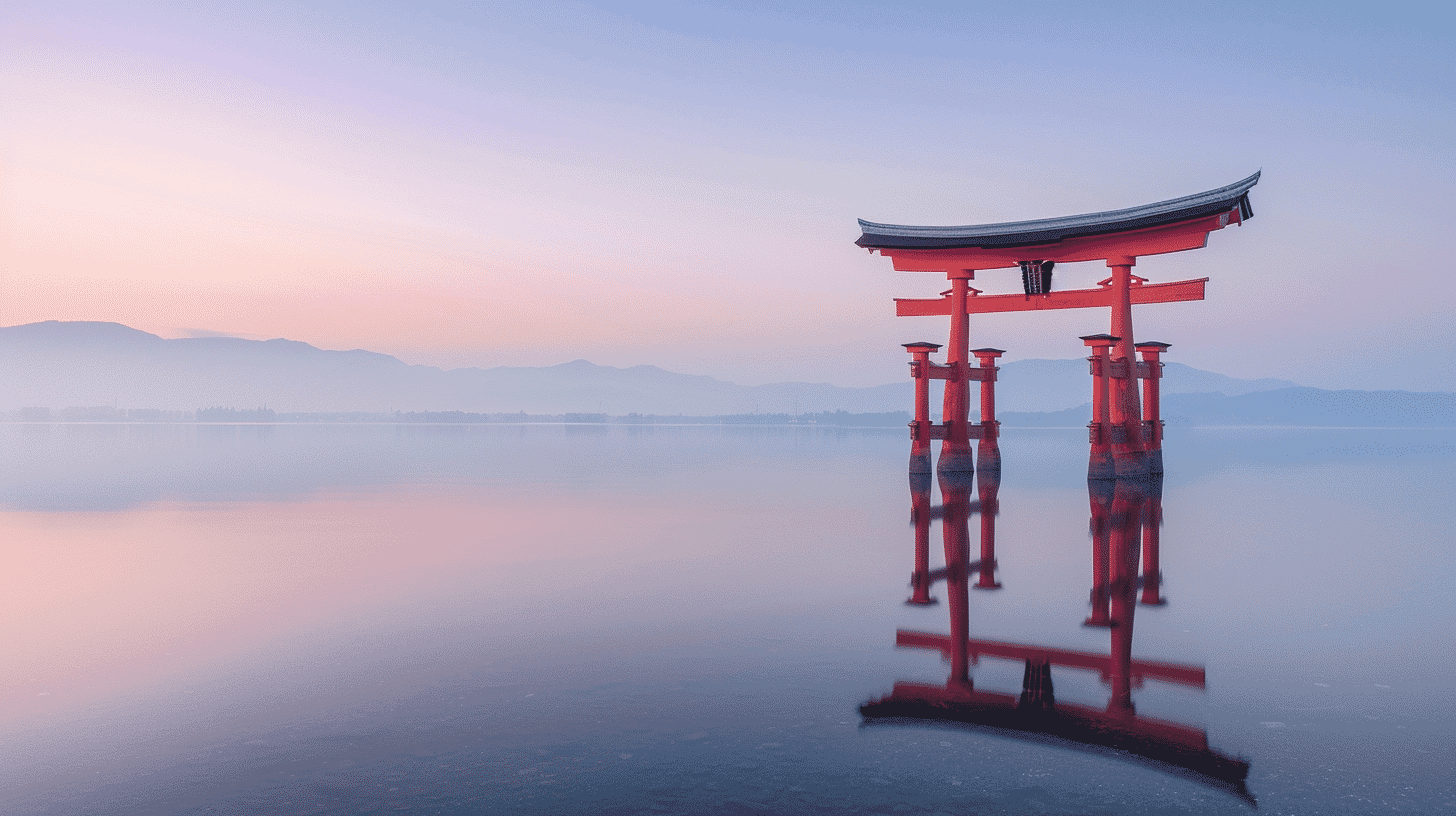
Hikone Castle, temple complexes on Lake Biwa, and Ōmi merchant heritage define Shiga. Browse key properties with lakeside routes.
National Treasures
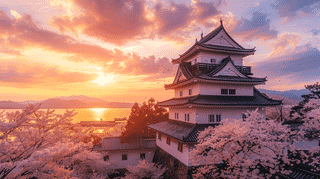
The keep of Hikone Castle in Shiga, finished in 1606, has three tiers with gables and stepped roofs....
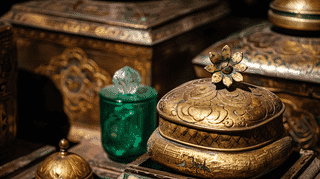
Finds from the site of Sufukuji in Otsu, Shiga, recovered in 1938 from a cavity in the pagoda's foun...
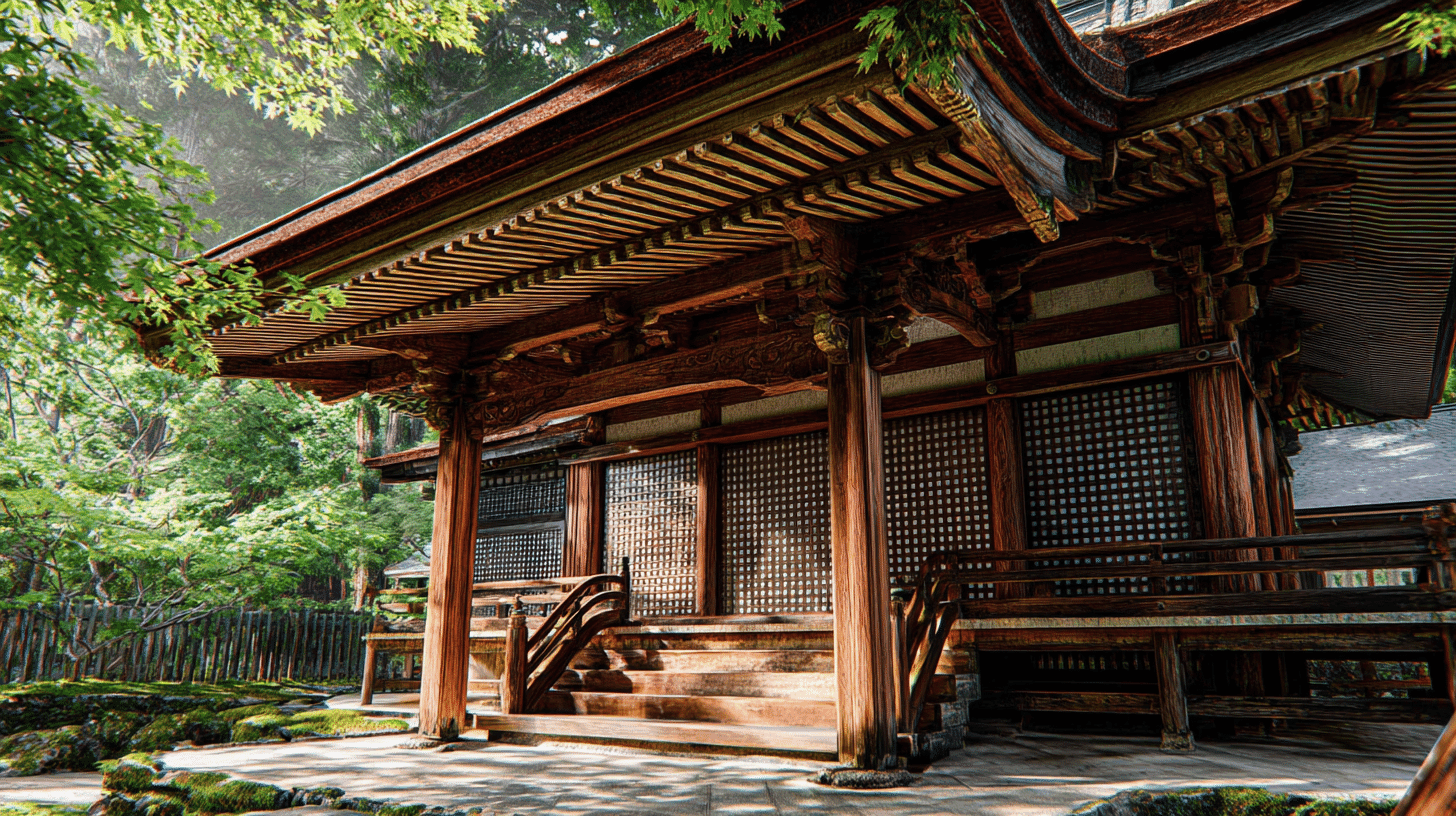
A hall of 1640 at Enryakuji on Mount Hiei in Shiga. Its earthen inner sanctuary lies three metres be...
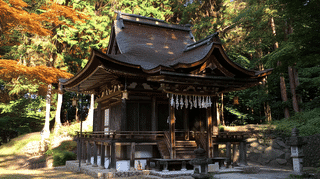
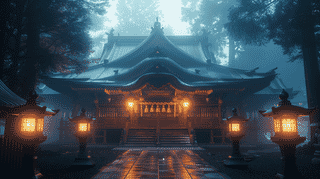
A middle Muromachi-period shrine hall in Shiga Prefecture. Its own name and its address here use two...
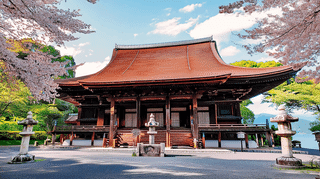
A Momoyama-period golden hall in Shiga Prefecture, dated to 1599. Its commentary field stands empty,...
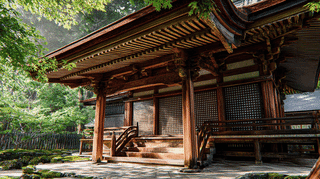
An early Muromachi hall in Shiga Prefecture, rebuilt in 1347. A temple building, it is filed here un...
Important Cultural Properties
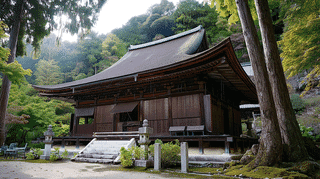
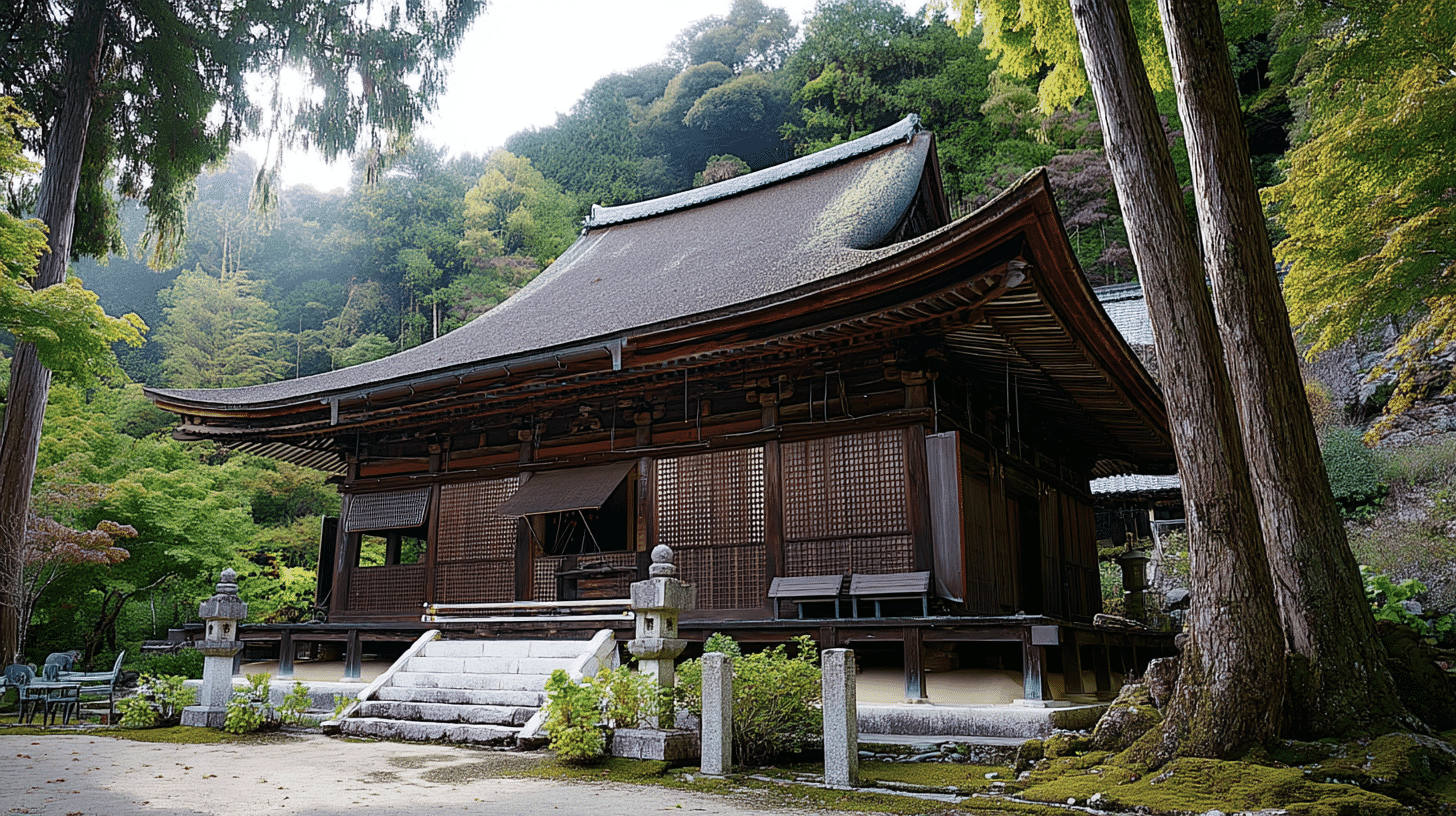
Discover Kuwanomi-ji Temple Main Hall, a nationally designated Important Cultural Property from the ...
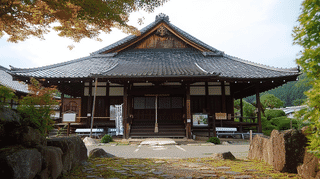
Discover the Seianji Guest Hall, an Important Cultural Property of Japan near Lake Biwa. Explore Mom...

Discover the Anyoji Thirteen-Story Stone Pagoda, a nationally designated Important Cultural Property...
The Main Hall of Hando Shrine, perched atop Mt. Hando (664 m) in Koka City, Shiga Prefecture, is a n...
The Main Hall of Ikuwa Shrine in Yasu City, Shiga Prefecture, is an Important Cultural Property dati...
The subsidiary Kasuga Shrine Main Hall within Ikuwa Shrine in Yasu City, Shiga Prefecture, is an Imp...
Read over the body of Eigen-ji's founder the day after his death in 1367, this ink funeral elegy is ...
An ink manuscript written at Eigen-ji in 1377, recording the Dharma address spoken as the Zen master...
Three scrolls at Eigen-ji, Shiga, recording the sermon and incense verse for the 33rd memorial of fo...
A 1367 ink scroll preserves the verse chanted over incense at founder Jakushitsu Genkō's seventh-day...
Two ink-on-paper scrolls hold a Zen sermon spoken at Eigenji in 1379 for the founder's thirteenth-an...
The Gyorekisho records the monk Enchin's 853 to 858 journey through Tang China. The Ishiyama-dera sc...
Other Heritage
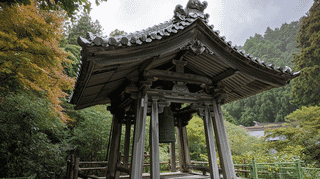
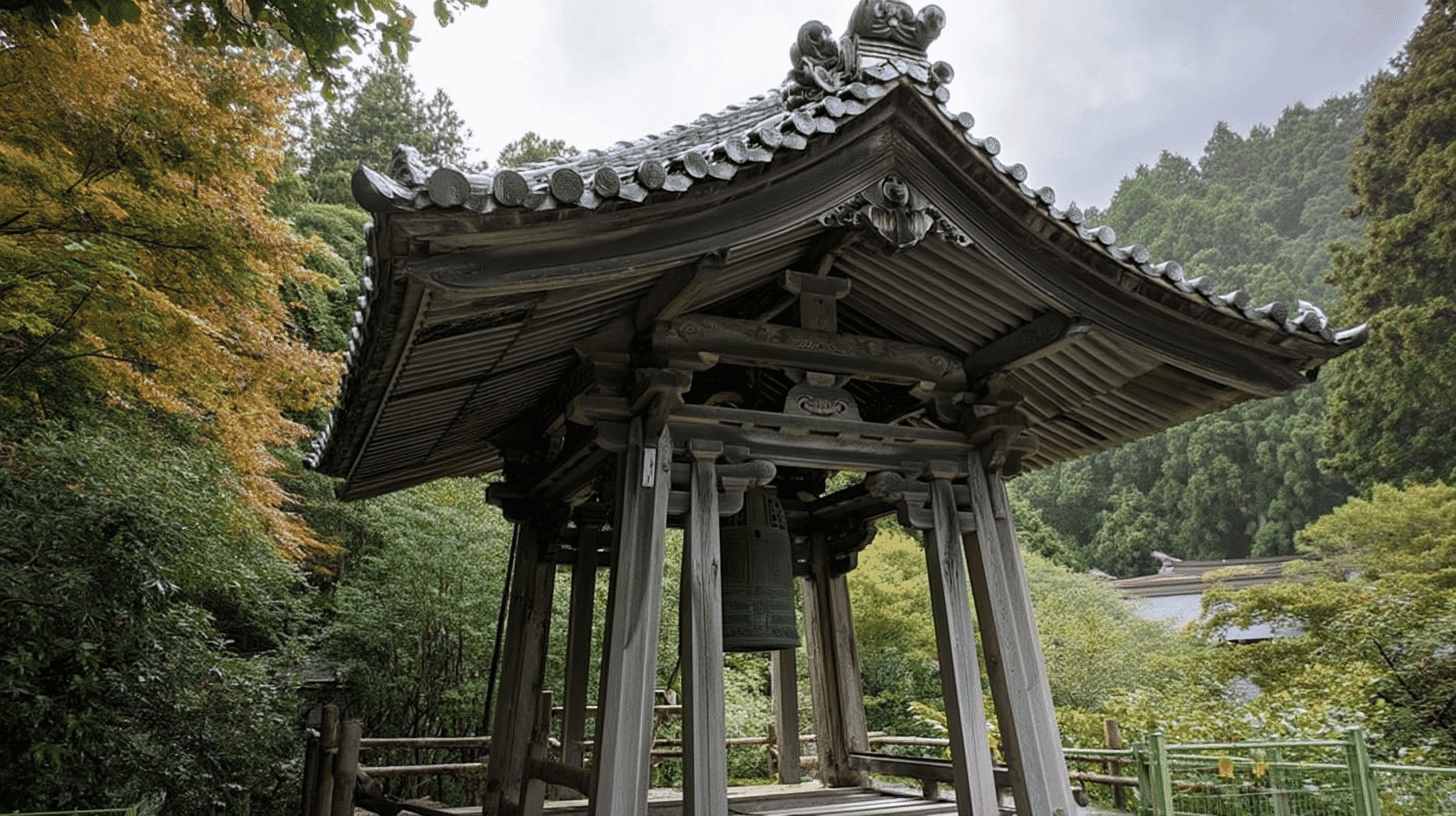
Discover the Kannonshoji Bell Tower, a Registered Cultural Property from 1928 featuring rare octagon...
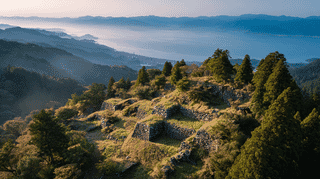
Discover Shimizuyama Castle Ruins, a designated National Historic Site in Shiga Prefecture. Explore ...
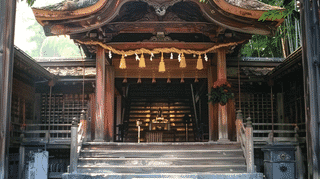
Discover Nidouji Shrine's 1703 Main Hall, an Important Cultural Property showcasing rare Kasuga-zuku...
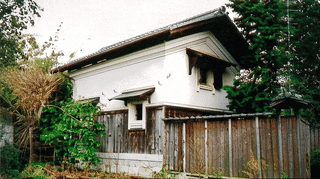
Discover the Furukawa Family Residence Storehouse (Furukawa-ke Jutaku Kura), a Registered Tangible C...
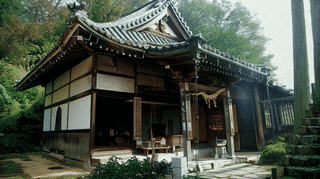
Discover Kannonshoji Goma-do, a registered cultural property in Shiga Prefecture. This 1928 fire rit...
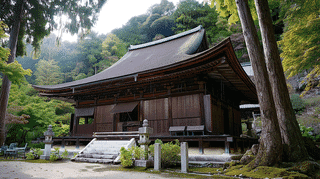
Discover Kannon-shoji Jizo-do, a registered cultural property from 1881, nestled within the ancient ...
About Shiga
Lake Biwa, Japan's largest freshwater lake covering approximately 670 square kilometers with about 235-kilometer circumference, serves as important water source for Kansai region. Lake transportation developed, with Lake Biwa Steamship cruises as popular tourist attractions. Particularly, boat trips to Chikubushima represent beloved island shrine pilgrimages.
Enryakuji Temple, Tendai Buddhism head temple on Mount Hiei, was founded by Saicho in 788. Konpon Chudo (main hall), Daikodo (great lecture hall), and bell tower are designated national treasures, with "eternal dharma light" burning continuously for over 1,200 years. Called mother mountain of Japanese Buddhism, it produced numerous famous monks including Honen, Shinran, Eisai, Dogen, and Nichiren.
Onjoji Temple (Miidera), Tendai Jimon sect head temple, has golden hall designated as national treasure. Precincts house numerous cultural properties, particularly Kannon Hall's Lake Biwa views renowned as spectacular scenery. "Mii Evening Bell" beloved as one of Omi Hakkei, with New Year's Eve bell tones calming people's hearts.
Ishiyamadera Temple, where Murasaki Shikibu allegedly wrote "Tale of Genji," has main hall and treasure pagoda designated as national treasures. Main hall built on natural monument wollastonite (Ishiyamadera wollastonite) creates distinctive landscapes. Autumn colors are particularly beautiful, with illuminated nighttime visits popular.
Hikone Castle, one of 12 existing keeps, has keep, attached turrets, and connecting turrets designated as national treasures. This hirayama (hill-plain) castle built over approximately 20 years from 1603 flourished as Ii family 350,000-koku residence castle throughout Edo period. Particularly, the keep's beautiful form is beloved as one of "four national treasure castles".
Azuchi Castle ruins, remains of castle built by Oda Nobunaga, preserve partial stone walls. Built 1576-1579, this castle represents first tenshu (castle tower) architecture example, greatly influencing later castle architecture. Currently maintained as Azuchi Castle Site Park for reminiscing period times.
Omi Hakkei represents eight scenic spots around Lake Biwa, beloved and celebrated since Muromachi period. Eight scenes - Ishiyama autumn moon, Seta evening glow, Awazu clear storm, Yabashi returning sails, Mii evening bell, Karasaki night rain, Katata falling geese, and Hira evening snow - express different seasonal and temporal beauty.
Shiga Prefecture's food culture prominently features nationally famous Omi beef. With over 400 years history, Omi beef ranks among Japan's three great wagyu alongside Kobe and Matsusaka beef, known for tender meat quality and deep flavors. Funa-zushi, blessed by Lake Biwa and representing Shiga's signature local cuisine, offers distinctive flavors through fermentation.
Lake Biwa Hassen represents eight species of lake-endemic fish and shellfish (Biwa trout, round crucian carp, Ischikauichthys steenackeri, Gnathopogon caerulescens, Gymnogobius isaza, gobies, sweetfish, and Corbicula sandai), each enjoyed through distinctive cooking methods. Particularly, Biwa trout, called "Lake Biwa jewel" for beautiful appearance, can be enjoyed as sashimi or salt-grilled.
Shigaraki ware, pottery made in Shigaraki town, Koka City, counts among Japan's six ancient kilns. Particularly famous for raccoon dog figurines, it's also highly valued as tea ceramics, beloved by numerous potters and enthusiasts. Wide-ranging products from daily items like hibachi braziers and umbrella stands to artworks are created.
Browse by Type
Designation categories represented in the prefecture, with counts.
Asahi Harvest Drum Dance · Aburahi Taiko Dance · Omi Kenketo Festival Long Sword Swinging
Akebono Elephant Fossil Specimen in Taga · Ashiura Kannon Temple Ruins · Azuchi Castle Ruins
Yawata, Omihachiman City · Sakamoto, Otsu City · Gokasho Kondo, Higashiomi City
Rural Landscape of Lake Iba · Omihachiman's Water Town · Omizo Waterfront Scenery
Sanyare Dance of Omi Konan · Omi-Nakayama Sweet Potato Competition Festival · Omi Kenketo Festival Long Sword Swinging
Eight Views of Omi (Katata Rakugan) · Eight Views of Omi (Mitsui Bansho) · Shojukan Garden
Omi's Narezushi Manufacturing Techniques
Akada Family Main Building · Akada Family Residence Main Gate · Akada Family Storehouse
Koka Medicine Manufacturing and Sales Equipment · Materials on Clothing and Lifestyle in Tagami · Fishing Equipment and Shipwright's Tools for Lake Biwa
Shiga in Periods
Periods represented by designated properties in the prefecture.