
Registered Tangible Cultural Properties of Shiga
滋 賀 県 の 登 録 有 形 文 化 財Shiga · Registered Tangible Cultural Properties
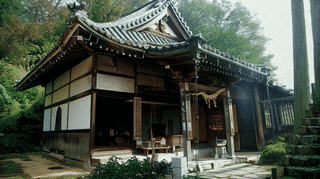
Discover Kannonshoji Goma-do, a registered cultural property in Shiga Prefecture. This 1928 fire ritual hall preserves Edo-period craftsmanship through recycled temple materials, offering visitors a glimpse into Japanese Buddhist architectural heritage.
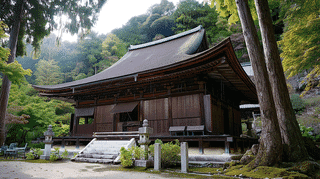
Discover Kannon-shoji Jizo-do, a registered cultural property from 1881, nestled within the ancient pilgrimage temple founded by Prince Shotoku on Mt. Kinugasa in Shiga Prefecture. Experience authentic Japanese Buddhist architecture and the legendary mermaid tale.
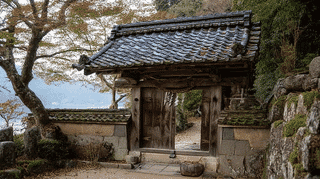
Discover the Kannon-shoji Shoin Garden Gate, a Registered Tangible Cultural Property from 1844. This rare Yakuimon gate survives from the Edo period, offering a unique glimpse into traditional Japanese temple architecture near Lake Biwa.
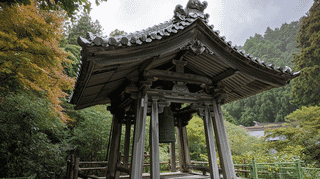
Discover the Kannonshoji Bell Tower, a Registered Cultural Property from 1928 featuring rare octagonal pillar construction. Located at the historic Temple in the Sky in Shiga Prefecture.
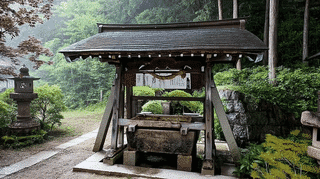
Discover Kannon-shoji Temple's Temizuya, a Registered Tangible Cultural Property of Japan built in 1928. This elegant purification pavilion features traditional craftsmanship including rainbow beams and frog-leg struts, nestled on the historic pilgrimage route of the Saigoku Kannon Pilgrimage in Shiga Prefecture.
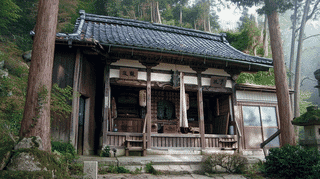
Explore Kannonshoji Fuda-dō, a Registered Tangible Cultural Property built in 1928 on Mt. Kinugasa, Shiga Prefecture. This historic pilgrimage hall at the 32nd temple of Japan's oldest Saigoku Kannon Pilgrimage embodies centuries of Buddhist tradition and traditional architecture. Plan your visit to this "Temple in the Sky" near Azuchi Castle.
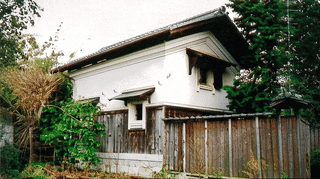
Discover the Furukawa Family Residence Storehouse (Furukawa-ke Jutaku Kura), a Registered Tangible Cultural Property in Toyosato, Shiga. This beautifully preserved earthen storehouse showcases traditional Japanese dozo architecture with white plaster walls, tile roofing, and historic Omi merchant heritage.
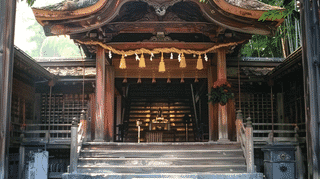
Discover Nidouji Shrine's 1703 Main Hall, an Important Cultural Property showcasing rare Kasuga-zukuri architecture with exquisite craftsmanship from the Edo period in Shiga Prefecture, Japan.

Andrews Memorial Hall in Omihachiman, Shiga Prefecture, is the very first architectural work in Japan by William Merrell Vories, the American-born architect who designed more than 1,600 buildings nationwide. Reusing materials from the original 1907 hall and rebuilt in 1935, it is also revered as the birthplace of the Omi Brotherhood and is a National Registered Tangible Cultural Property.
Discover the Vories Memorial Hospital Chapel, a 1937 wooden chapel designed by American architect William Merrell Vories in Omihachiman, Shiga Prefecture. A Registered Tangible Cultural Property featuring semicircular arches, exposed timber trusses, and a moving history as a place of prayer for tuberculosis patients.
Discover Tooker House, a registered Tangible Cultural Property in Omihachiman, Shiga Prefecture. Designed by William Merrell Vories in 1918 as a tuberculosis sanatorium, this elegant wooden building embodies his philosophy of healing through sunlight, fresh air, and compassionate design.
Enjuin Main Hall, located in Minami-Shimizu, Higashiomi City, Shiga Prefecture, is a Jodo (Pure Land) Buddhist temple hall built in 1711. Despite its modest scale, this irimoya-style tiled-roof structure features robust timbers and exquisite carved transoms at the boundary of its outer and inner halls. Registered as a National Tangible Cultural Property in 2003, it stands as an excellent example of mid-Edo period rural temple architecture in the Koto Plain east of Lake Biwa.
The Enryaku-ji Daishoin is a Registered Tangible Cultural Property located in the Todo area of Mount Hiei's Enryaku-ji Temple, a UNESCO World Heritage Site. Originally built around 1919 as part of tobacco magnate Murai Kichibei's Tokyo estate, this refined shoin-style building was relocated to Mount Hiei in 1928. Designed by renowned architect Takeda Goichi, it features a grand karahafu entrance, the magnificent Kyokko-no-Ma reception hall, and a moon-viewing platform overlooking Lake Biwa.
Discover the Enryaku-ji Daishoin Garden Gate, a registered tangible cultural property originally part of the Murai Kichibei mansion in Tokyo. Designed by renowned architect Takeda Goichi and relocated to Mt. Hiei in 1928, this elegant gate stands within the UNESCO World Heritage Site of Enryaku-ji Temple.
Built in 1944 at Omi Jingu in Otsu, this 101-square-metre entrance block sets a dormer gable over its carriage porch. Registered in 1998; exterior viewable.
This twelve-square-metre covered stair at Omi Jingu, built in 1944, is the only corridor there given a fire door and a tile-capped fire wall. Registered 1998.
A 1944 rest house at Omi Jingu in Otsu, framed with round posts and bracket arms under a tiled roof. Now a sweets shop, it is the one visitors may enter.
The 1890 carriage porch of the Otsu courthouse, moved to Omi Jingu in 1971 to shelter car purification rites. Its gable pendant still bears a chrysanthemum crest.
The east and south wings of the 1940 shrine office at Omi Jingu in Otsu, 246 square metres. A curved gable marks the guest entrance, a lower ridge the everyday door.
The tiled north and west wings of the 1940 shrine office at Omi Jingu in Otsu, 175 square metres. A dormer gable on the west face vents steam from the bath below.
More from Shiga
Shiga’s registered properties across designations, with featured heritage and travel notes.
The complete kokuhō catalogue — browse by prefecture, period, and category.
Nationwide jūyō bunkazai — architecture, sculpture, painting, crafts, and documents.