Kannonshoji Bell Tower: Where Ancient Tradition Meets Early Modern Craftsmanship
Perched high on the sacred slopes of Mt. Kinugasa in Shiga Prefecture, the Kannonshoji Bell Tower stands as a remarkable testament to Japan's architectural continuity. This elegant structure, designated as a Registered Tangible Cultural Property in 2021, offers visitors a rare glimpse into early Showa period craftsmanship while honoring construction techniques passed down through centuries of Buddhist temple building.
Unlike more famous bell towers that draw crowds of tourists, this hidden architectural gem awaits those willing to make the pilgrimage to one of Japan's most spiritually significant mountain temples—a journey that rewards the dedicated traveler with both cultural enlightenment and breathtaking vistas of the Omi Plain.
Understanding the Bell Tower's Architectural Significance
The Kannonshoji Bell Tower was constructed in 1928, during the early Showa period, at a time when traditional Japanese architecture was beginning to face the pressures of modernization. What makes this structure particularly valuable is its faithful adherence to classical bell tower design principles that can be traced back to the great temples of the Tendai Buddhist tradition.
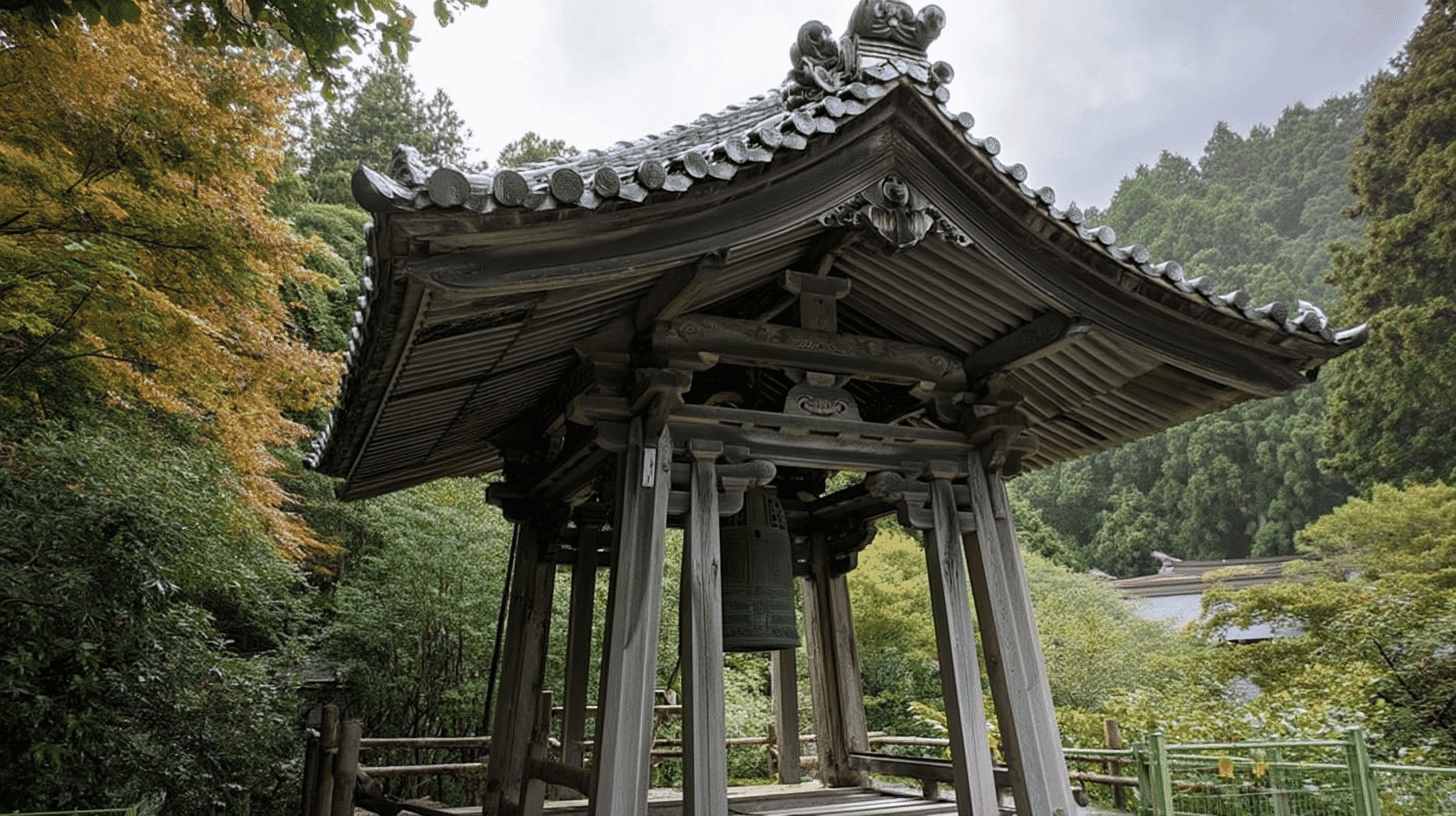
The tower features a distinctive kirizuma-zukuri (gable roof) design covered with hongawara-buki (traditional tile roofing), encompassing an area of 10 square meters. Its most remarkable feature is the use of octagonal pillars with an inward cant—a sophisticated construction technique that provides both structural stability and aesthetic elegance. Between each of the eight main pillars, two square intermediate pillars are positioned, all connected by horizontal penetrating tie beams at waist height and double flying beams above.
The bell is suspended from a rainbow beam that spans the interior, supported by large bottle-shaped struts set upon the gable rainbow beams. This architectural configuration shares notable similarities with the bell tower at the renowned Enryakuji Temple on Mt. Hiei, suggesting a deliberate homage to the mother temple of Japanese Tendai Buddhism—an appropriate connection given Kannonshoji's own Tendai heritage.
Why This Bell Tower Became a Cultural Property
The designation of Kannonshoji Bell Tower as a Registered Tangible Cultural Property on October 14, 2021, recognizes several key factors that contribute to its cultural and historical importance.
First, the structure represents an excellent example of early Showa period religious architecture that successfully preserved pre-modern building techniques during an era of rapid Westernization. The skilled craftsmanship evident in the octagonal pillar construction and the sophisticated joinery work demonstrates the high level of carpentry expertise that was still being maintained in rural temple communities during this period.
Second, the structural connection to Enryakuji Temple's bell tower design provides important evidence of how architectural knowledge was transmitted within the Tendai Buddhist tradition. This link between a major religious center and a mountain pilgrimage temple offers insights into the broader network of cultural exchange that characterized Japanese Buddhism.
Third, as part of the Kannonshoji temple complex—itself a site with over 1,400 years of history—the bell tower contributes to a layered cultural landscape that tells the story of Japanese religious architecture across multiple eras.
The Temple Setting: Kannonshoji and the "Temple in the Sky"
To fully appreciate the bell tower, one must understand its remarkable setting. Kannonshoji Temple occupies a position approximately 370 meters up the slopes of Mt. Kinugasa, a mountain whose name means "silk canopy peak" in reference to its elegant, rounded profile. The temple is poetically known as the "Temple in the Sky" (Tenku no Tera), situated at a height that ancient Buddhist teachings considered ideal—neither too low like the earthly plain nor too high like the distant peaks, but perfectly positioned between heaven and earth.
According to temple tradition, the site was founded in 605 CE by Prince Shotoku, one of Japan's most revered historical figures. Legend tells of a mermaid who appeared before the prince in Lake Biwa, begging him to carve a statue of Kannon (the Bodhisattva of Compassion) to deliver her from suffering caused by sins in her previous life as a fisherman. This unique mermaid legend makes Kannonshoji the only temple in Japan with such a founding story.
The bell tower stands at the southern edge of the temple precinct, its position carefully chosen according to traditional temple layout principles. From this location, the sound of the bell can carry across the mountain slopes, calling pilgrims to worship and marking the passage of time in this sacred space.
Highlights and What to Look For
When visiting the Kannonshoji Bell Tower, take time to appreciate these special features:
The octagonal main pillars deserve careful observation. Notice how each pillar is cut to an octagonal profile and installed with a slight inward tilt (called uchikomi). This technique creates visual dynamism while improving the structure's resistance to lateral forces—a clever solution developed over centuries of Japanese wooden architecture.
Examine the joinery where the tie beams penetrate the pillars. The precision of these connections, achieved without nails or metal fasteners, demonstrates the remarkable skill of early Showa craftsmen working in traditional methods.
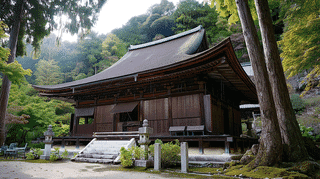
The tile roof's gentle curves and the way the eaves extend outward showcase the beauty of hongawara-buki roofing. The weathered patina of the tiles adds to the structure's visual harmony with the surrounding forest.
If you visit during morning or evening hours, you may hear the bell being rung—a deeply moving experience in this mountain setting. The bell's tone carries a particular resonance that seems perfectly matched to the architecture that houses it.
Combining Your Visit with Nearby Attractions
The area surrounding Kannonshoji offers exceptional opportunities for cultural exploration. Adjacent to the temple lie the ruins of Kannonji Castle, once the stronghold of the powerful Rokkaku clan. This massive mountain fortress, designated as one of Japan's 100 Fine Castles, features impressive stone walls that predate even those of Azuchi Castle and may have influenced Oda Nobunaga's revolutionary castle design.
Just across a small valley stands Mt. Azuchi, site of the legendary Azuchi Castle built by Nobunaga in 1579. The Azuchi Castle Archaeological Museum and the Nobunaga-no-Yakata museum offer excellent exhibits on this pivotal period in Japanese history.
To the east of Mt. Kinugasa lies Gokasho, the birthplace of the Omi merchants who became famous throughout Japan for their business acumen and ethical practices. Several beautifully preserved merchant residences are open to visitors, offering a window into traditional Japanese commercial culture.
For pilgrimage enthusiasts, Kannonshoji is the 32nd temple on the Saigoku 33 Kannon Pilgrimage route, Japan's oldest pilgrimage circuit, designated as a Japan Heritage site in 2019. Combining a visit to Kannonshoji with nearby pilgrimage temples creates a deeply meaningful spiritual journey.
Seasonal Considerations for Your Visit
Each season brings its own character to the Kannonshoji Bell Tower and surrounding temple grounds. Spring sees cherry blossoms gracing the mountain paths, while the fresh green of early summer creates a verdant backdrop for the wooden architecture. Autumn transforms Mt. Kinugasa into a tapestry of red and gold maples, arguably the most photogenic time to visit. Winter, though cold, offers crystalline views across the Omi Plain and the rare beauty of snow-dusted temple buildings.
Note that the mountain roads accessing the temple may close during winter months due to snow and ice. It's advisable to check current conditions before planning a winter visit, and to be prepared for the approximately 1,200 stone steps if ascending on foot from the base.
- 📍 Plan Your Visit to Shiga
- Find tours, activities & transport passes near Kannonshoji Temple Bell Hall
- [ Hikone Castle & Lake Biwa Cruise Experiences ]
Q&A
- What makes the Kannonshoji Bell Tower architecturally unique?
- The bell tower features a distinctive construction with octagonal pillars that tilt slightly inward (uchikomi), a technique that provides both structural stability and aesthetic elegance. This design shares notable similarities with the bell tower at Enryakuji Temple, suggesting a deliberate connection to Tendai Buddhist architectural traditions. The sophisticated joinery connecting the pillars through penetrating tie beams and double flying beams demonstrates exceptional early Showa period craftsmanship.
- Can visitors ring the temple bell?
- Policies regarding bell ringing may vary by time and circumstance. It's best to inquire directly with temple staff during your visit. Even if personal ringing is not permitted, visitors often have the opportunity to hear the bell during morning and evening services, which is a memorable experience in this mountain setting.
- How difficult is the climb to reach Kannonshoji and the bell tower?
- There are multiple access routes with varying difficulty levels. The traditional pilgrimage path from the base involves climbing approximately 1,200 stone steps, requiring about 45-60 minutes of steady walking. Alternatively, visitors can drive up the mountain toll road to a parking area, from which the temple is accessible via a 10-minute walk on a gentler path. Those with mobility concerns may prefer the driving option, though the roads are narrow and winding.
- Is the bell tower the only cultural property at Kannonshoji?
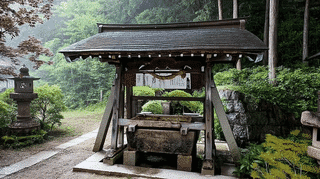
- No, Kannonshoji has several structures registered as cultural properties. In addition to the bell tower, the Fuda-do (votive tablet hall), Jizo-do (Jizo hall), Goma-do (fire ritual hall), and Temizu-sha (purification fountain pavilion) have also received cultural property designation. Together, these buildings represent a valuable collection of early Showa period temple architecture.
- What is the connection between Kannonshoji and Azuchi Castle?
- Kannonshoji is located on Mt. Kinugasa, which is connected by ridgeline to Mt. Azuchi where Oda Nobunaga built his revolutionary castle in 1579. The nearby Kannonji Castle ruins, adjacent to the temple, were once the stronghold of the Rokkaku clan, whom Nobunaga defeated before building Azuchi Castle. Some scholars suggest that Nobunaga may have been influenced by the advanced stone wall construction he observed at Kannonji Castle when designing his own fortress.
Basic Information
| Name | Kannonshoji Shodo (観音正寺鐘堂) - Kannonshoji Temple Bell Tower |
|---|---|
| Cultural Property Status | Registered Tangible Cultural Property (Registered October 14, 2021) |
| Construction Period | Early Showa Era (1928) |
| Architectural Style | Wooden construction, kirizuma-zukuri (gable roof), hongawara-buki (tile roofing) |
| Structure | One bay square with octagonal pillars tilting inward, 10 square meters |
| Location | Kinugasayama, Ishidera, Azuchi-cho, Omihachiman City, Shiga Prefecture (滋賀県近江八幡市安土町石寺字繖山2) |
| Temple Affiliation | Kannonshoji Temple (観音正寺) - Tendai Buddhist sect (independent) |
| Worship Hours | 8:00 AM - 5:00 PM |
| Admission Fee | Adults: 500 yen / Middle & High School Students: 300 yen / Elementary and below: Free |
| Access (by train) | From JR Azuchi Station: 40-minute walk to Omote-sando entrance, then approximately 45 minutes climbing 1,200 stone steps |
| Access (by car) | Via Omihachiman City Ishidera Forest Road or Higashiomi City Gokasho Forest Road to mountain parking (toll: 500-600 yen), then 10-minute walk. Forest roads open 8:00 AM - 4:30 PM. |
References
- 観音正寺鐘堂 - 文化遺産オンライン
- https://bunka.nii.ac.jp/heritages/detail/587223
- 観音正寺 - Wikipedia
- https://ja.wikipedia.org/wiki/観音正寺
- 第三十二番 観音正寺 - 西国三十三所
- https://saikoku33.gr.jp/place/32
- 観音正寺公式サイト
- https://kannonshoji.or.jp/
- 繖山 観音正寺 - 西国三十三所観音巡礼(日本遺産認定)
- https://jh-saikoku33.jp/area/kyotokita_shigakita_gifu/kannonshoji/
- 観音正寺 - 滋賀県観光情報公式サイト
- https://www.biwako-visitors.jp/spot/detail/20484/
- 観音寺城 - Wikipedia
- https://ja.wikipedia.org/wiki/観音寺城
Last verified: 2026.01.02
Nearby heritages
- Kannonshoji Shoin
- 2 Ishidera, Hinoyama, Azuchi-cho, Omihachiman City, Shiga Prefecture
- Kannonshoji Temple Shoin Garden Gate
- 2 Ishidera, Hinoyama, Azuchi-cho, Omihachiman City, Shiga Prefecture
- Kannonshoji Temple Chozuya
- 2 Ishidera, Hinoyama, Azuchi-cho, Omihachiman City, Shiga Prefecture
- Kannonshoji Temple
- 2 Ishidera, Hinoyama, Azuchi-cho, Omihachiman City, Shiga Prefecture
- Kannonshoji Temple Goma Hall
- 2 Ishidera, Hinoyama, Azuchi-cho, Omihachiman City, Shiga Prefecture
- Kannonshoji Temple Jizo Hall
- 2 Ishidera, Hinoyama, Azuchi-cho, Omihachiman City, Shiga Prefecture
- Kannonji Castle Ruins
- Azuchi Town, Gamo County, Higashiomi City
- Kuwamiji Temple Main Hall
- Oaza Kuwajiji, Azuchi-cho, Omihachiman City, Shiga Prefecture
- Wooden Standing Statue of Eleven-Faced Kannon
- Uchidehama area, Otsu City, Shiga Prefecture
- Hyōtanyama Kofun
- Azuchi Town, Gamo District