Kannon-shoji Shoin Garden Gate: A Hidden Edo-Era Architectural Treasure on Mount Kinugasa | Shiga Cultural Heritage

Discover the Kannon-shoji Shoin Garden Gate, a Registered Tangible Cultural Property from 1844. This rare Yakuimon gate survives from the Edo period, offering a unique glimpse into traditional Japanese temple architecture near Lake Biwa.

Kannon-shoji Shoin Garden Gate: A Hidden Gem of Edo-Period Architecture

Perched high on Mount Kinugasa at an elevation of approximately 370 meters, the Kannon-shoji Temple harbors an architectural treasure that has silently witnessed nearly two centuries of history. The Shoin Garden Gate (書院庭門, Shoin Niwamon), registered as a National Tangible Cultural Property in 2021, stands as one of the few surviving Edo-period structures at this venerable pilgrimage site. While most visitors come seeking spiritual enlightenment at the 32nd temple of the Saigoku Kannon Pilgrimage, this modest yet historically significant gate offers a rare glimpse into the refined aesthetics of traditional Japanese temple architecture.

What is the Shoin Garden Gate?

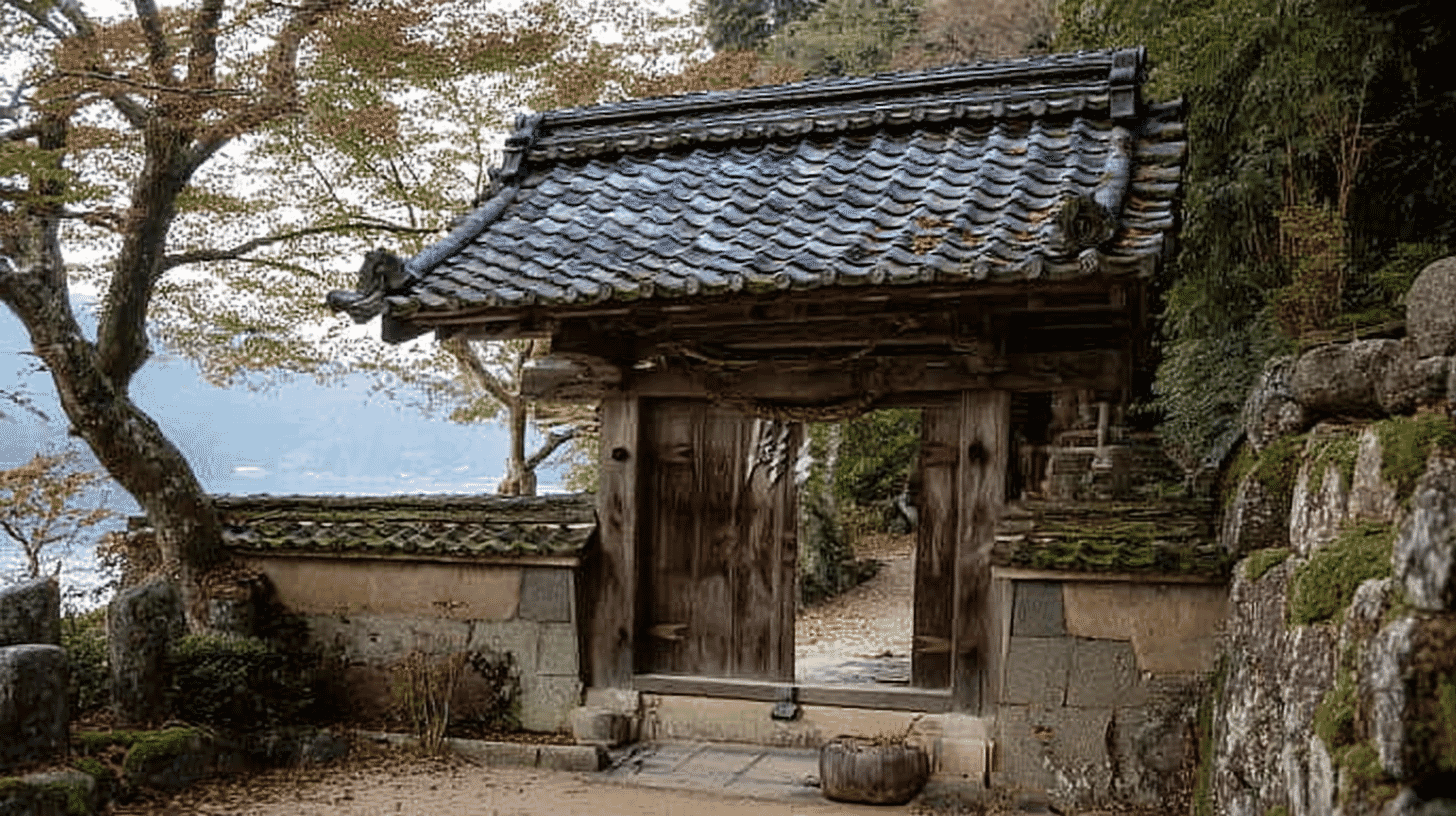
The Kannon-shoji Shoin Garden Gate is a Yakuimon-style gate built in 1844 (Tenpo 15) during the late Edo period. This single-bay, single-entrance gate opens on the western face of an earthen wall that surrounds the temple's Shoin (study hall) garden in an L-shaped configuration. The structure exemplifies the traditional architecture that once characterized Japanese Buddhist temple complexes.

Measuring 2.2 meters in width, the wooden gate features a gabled roof covered with san-gawara tiles. The rafters follow a sparse, single-row arrangement called "hitoe so-daruki." Both the main pillars and the supporting posts are square in cross-section, with double-leaf wooden board doors hung across the entrance. The main pillars, known as "gohei," penetrate through the lintel beam (kabuki) and are secured with pins—a distinctive construction technique that is quite rare among Yakuimon gates of this period.

Why Was It Designated a Registered Tangible Cultural Property?

The gate received its designation as a Registered Tangible Cultural Property on October 14, 2021, recognized for several important reasons:

  • It represents a precious example of early modern religious architecture that has survived intact alongside the temple's Shoin building
  • The unique construction method where the main pillars penetrate through the lintel beam demonstrates specialized architectural techniques of the Edo period
  • As part of an integrated ensemble with the 1796 Shoin study hall, it provides valuable context for understanding the historical layout and aesthetic principles of Japanese temple compounds
  • The gate has survived the tumultuous history of the temple, including the devastating 1993 fire that destroyed the main hall and its treasures

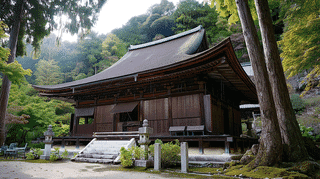
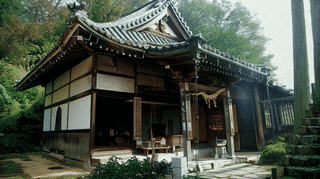
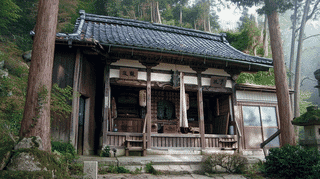
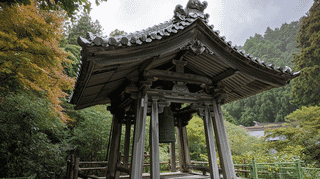
Japan's Registered Tangible Cultural Property system was established in 1996 to protect historically significant structures that might otherwise be lost to development or neglect. Unlike designated Important Cultural Properties, registered properties offer more flexible preservation guidelines while still recognizing their cultural value. The Shoin Garden Gate joins other registered structures at Kannon-shoji, including the Shoin itself, the Bell Tower, the Fuda-do Hall, and the Hand-washing Basin Pavilion.

Understanding Yakuimon Gate Architecture

The Yakuimon (薬医門) is a distinctive Japanese gate style that first appeared in the late Kamakura or early Muromachi period. Originally used in samurai and aristocratic residences, this gate type gradually spread to castle compounds and temple complexes. The name is said to derive from its use at the entrances of physicians' homes, though this etymology remains a subject of scholarly debate.

What distinguishes a Yakuimon from other gate styles is its structural configuration: two main front pillars are supported by two rear posts, with the ridge beam positioned offset from the main pillar line. This design distributes weight effectively and provides structural stability. The gates typically feature gabled roofs, though hip-and-gable variants also exist. In terms of formal hierarchy, Yakuimon gates rank below ceremonial gates like the Karamon but above simpler barrier gates.

The Kannon-shoji Shoin Garden Gate demonstrates these classic characteristics while incorporating the unusual feature of pillars that extend through the lintel—a construction detail that speaks to the skills of Edo-period craftsmen working in this mountain temple environment.

Kannon-shoji Temple: A Mountain Sanctuary with 1,400 Years of History

To appreciate the significance of the Shoin Garden Gate, one must understand the remarkable temple that houses it. Kannon-shoji Temple, according to tradition, was founded in 605 CE by Prince Shotoku, one of Japan's most revered historical figures. The legend tells of the prince's encounter with a mermaid in Lake Biwa who pleaded for salvation from her cursed form—the result of karma from a past life as a fisherman who had killed too many creatures. Moved by her plea, Prince Shotoku carved a statue of the Thousand-Armed Kannon and established this temple for her redemption.

Throughout its long history, the temple flourished under the patronage of the Sasaki-Rokkaku clan, whose Kannonji Castle once occupied much of the mountain. At its peak, the temple compound reportedly included 72 sub-temples. However, the temple's fortunes changed dramatically in 1568 when Oda Nobunaga's forces overwhelmed the castle, leading to destruction and decline.

The temple was rebuilt during the Keicho era (1597–1606), and the current Shoin and its garden gate date from subsequent Edo-period reconstructions. Tragically, a fire in 1993 destroyed the main hall and the original principal image—a designated Important Cultural Property—along with the temple's famous "mermaid mummy." The reconstructed main hall, completed in 2004, now houses a new principal image carved from 23 tons of sandalwood specially imported from India.

Highlights and Things to See

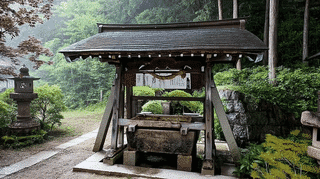
The Shoin Garden Gate offers visitors a tangible connection to the temple's Edo-period past. Its weathered wooden surfaces and traditional tile roof evoke the peaceful atmosphere that has characterized this mountain sanctuary for centuries. The gate serves as an entrance to the Shoin's private garden space, maintaining its original function as a threshold between the public temple grounds and the more intimate quarters of the clergy.

When visiting, take time to observe:

  • The square pillars (角柱, kakuchu) that distinguish this gate from those using round posts
  • The rare construction where main pillars pierce through the horizontal lintel beam
  • The L-shaped earthen wall (土塀, dobei) that the gate opens within
  • The san-gawara tile roofing, a durable style suited to the mountain climate
  • The double-leaf wooden board doors hung in traditional fashion

Beyond the gate itself, Kannon-shoji offers numerous attractions: the magnificent sandalwood Kannon statue, the exposed bronze Nio guardians that stand in place of a traditional Nio gate, the Inner Sanctuary with its Heian-period cliff carvings, and panoramic views over the Gamo Plain to Mount Mikami (the "Omi Fuji") and Lake Biwa beyond.

Nearby Attractions

Mount Kinugasa and its surroundings offer rich opportunities for cultural exploration:

  • Kannonji Castle Ruins – One of Japan's Five Great Mountain Castles, with extensive stone walls visible throughout the mountain. The castle ruins are accessible from the temple grounds.
  • Azuchi Castle Site – Oda Nobunaga's revolutionary castle, just across the valley. The Azuchi Castle Museum near JR Azuchi Station features detailed models and historical exhibits.
  • Kyorin-bo Temple – A sub-temple with an exquisite moss garden and autumn foliage, located on the lower slopes of Mount Kinugasa.
  • Ishitera Rakuichi – A local market at the mountain's base, located where Japan's first "free market" was established by the Rokkaku clan in the 16th century.
  • Kuwanomi-dera Temple – Another historic mountain temple on the western slopes of Mount Kinugasa, accessible via hiking trail.
  • Omihachiman Old Town – A beautifully preserved merchant district with traditional warehouses along willow-lined canals.

Seasonal Highlights

The temple and its Shoin Garden Gate can be appreciated throughout the year, with each season offering unique charms:

  • Spring – Cherry blossoms and wild lily of the valley bloom on the mountain slopes
  • Summer – Hydrangeas and cool mountain air provide respite from lowland heat
  • Autumn – Spectacular foliage transforms the temple grounds; red spider lilies (higanbana) mark the autumn equinox
  • Winter – Snow-dusted architecture creates scenes of ethereal beauty, though access roads may be closed
📍 Plan Your Visit to Shiga
Find tours, activities & transport passes near Kannonshoji Temple Shoin Garden Gate
[ Hikone Castle & Lake Biwa Cruise Experiences ]

Q&A

QCan I see the Shoin Garden Gate during a regular temple visit?
AYes, the gate is visible within the temple precincts. However, the Shoin building and its garden are not always open to the public, so visitors should check in advance if they wish to see the interior. The gate itself can be appreciated from the exterior during regular visiting hours (8:00–17:00).
QHow do I reach Kannon-shoji Temple?
AThe temple is located on Mount Kinugasa at approximately 370 meters elevation. By car, take the toll mountain roads (Ishidera Forest Road or Kawanami Forest Road) to reach the upper parking area, then walk about 10 minutes. On foot, climb the 1,200 stone steps from the base—about 40–50 minutes. From JR Azuchi Station, the base is accessible by taxi or approximately 90 minutes on foot via Kuwanomi-dera Temple.
QWhat is the admission fee?
ATemple admission is 500 yen for adults and 300 yen for junior high and high school students. If you drive, there is an additional road toll (approximately 600 yen) for the forest road leading to the mountaintop parking area.
QAre there other Registered Cultural Properties at the temple?
AYes, in addition to the Shoin Garden Gate, several structures at Kannon-shoji have been registered as Tangible Cultural Properties: the Shoin (study hall, rebuilt 1796), the Bell Tower (Shoro), the Fuda-do Hall, the Temizu-sha (hand-washing pavilion), the Jizo-do Hall, the Goma-do Hall, and the Goei-do Hall.
QWhat is special about Yakuimon-style gates?
AYakuimon gates are distinguished by their structural design with two main pillars and two rear support pillars, with the ridge beam offset from the pillar line. This style originated in medieval warrior and aristocratic residences before spreading to temples and castles. The Kannon-shoji example is notable for its rare construction where the main pillars extend through the lintel beam.

Basic Information

Name Kannon-shoji Shoin Niwamon (観音正寺書院庭門)
Cultural Property Designation Registered Tangible Cultural Property (Building) – Registered October 14, 2021
Period Edo Period – Tenpo 15 (1844)
Style Yakuimon (one-bay, single-entrance gate)
Construction Wooden structure with san-gawara tile gabled roof; Width: 2.2m
Location Kinugasa-yama, Ishidera, Azuchi-cho, Omihachiman City, Shiga Prefecture 521-1331
Owner Kannon-shoji Temple
Temple Hours 8:00–17:00 daily
Admission Adults: 500 yen / Students: 300 yen
Contact 0748-46-2549
Website https://kannonshoji.or.jp/

References

Cultural Heritage Online – Kannon-shoji Shoin Niwamon (Agency for Cultural Affairs)
https://bunka.nii.ac.jp/heritages/detail/553925
Kannon-shoji – Wikipedia (Japanese)
https://ja.wikipedia.org/wiki/観音正寺
Kannon-shoji Temple Official Website
https://kannonshoji.or.jp/
Saigoku 33 Kannon Pilgrimage – Temple No. 32
https://saikoku33.gr.jp/place/32
Yakuimon – Wikipedia (Japanese)
https://ja.wikipedia.org/wiki/薬医門
Kinugasa-yama (Mount Kinugasa) – Kinugasa Three Kannon Temples
http://k3k.jp/kinugasa-yama/
Japan Heritage Portal – Kannon-shoji Main Hall
https://japan-heritage.bunka.go.jp/ja/culturalproperties/result/4360/

Last verified: 2026.01.02

Nearby heritages