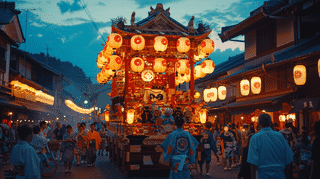
From Ainu heritage to samurai-era sites, Hokkaido blends frontier towns, wooden shrines, and museums. Browse National Treasures & cultural properties with stories & travel tips.
National Treasures

A Jomon-period figurine in Hokkaido Prefecture. Its own legs are set as if it were standing upright,...

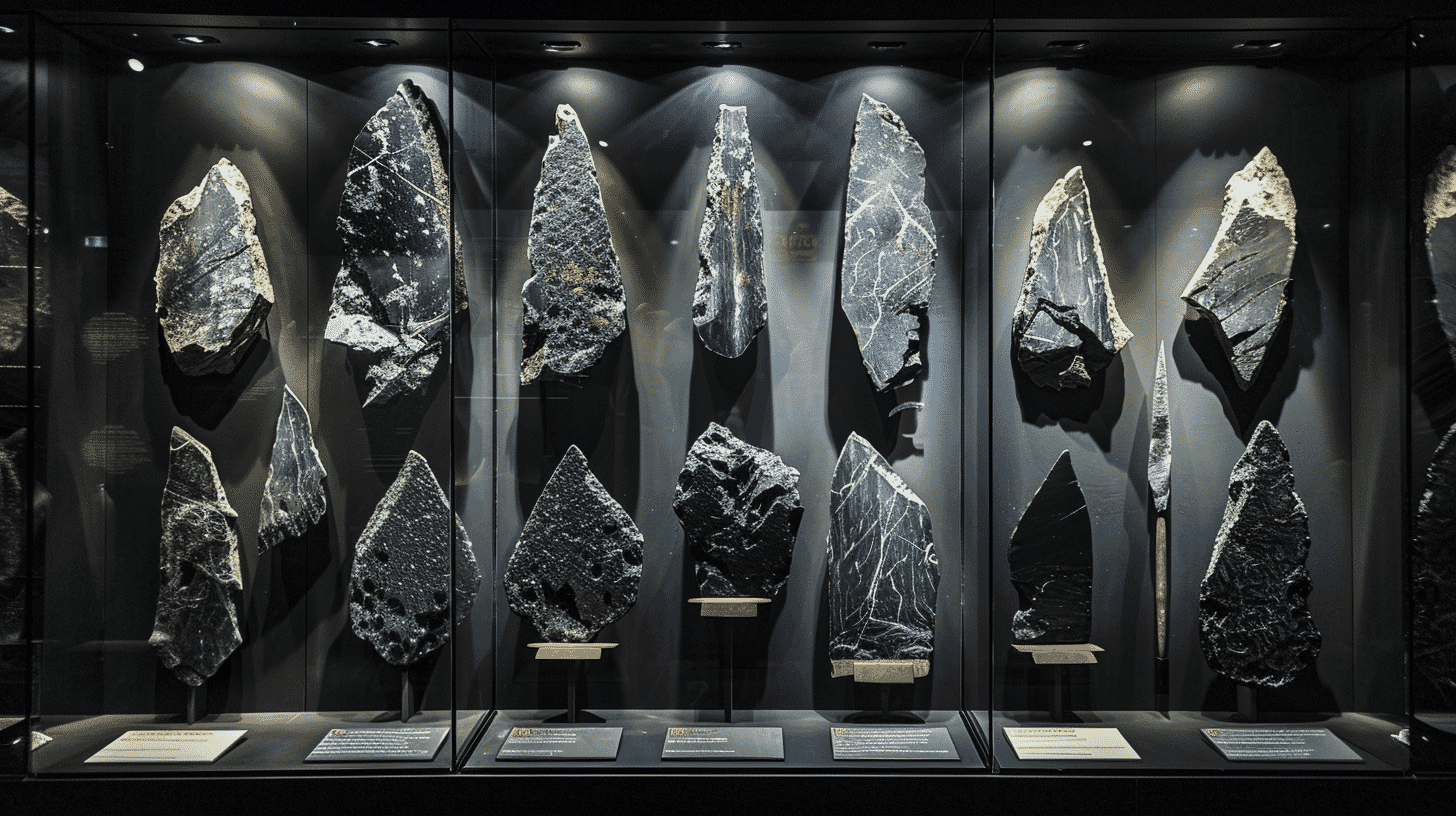
A Palaeolithic lot of finds in Hokkaido Prefecture. Its designation here added a good deal of new ma...
Important Cultural Properties
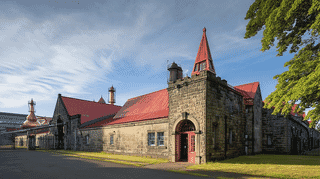
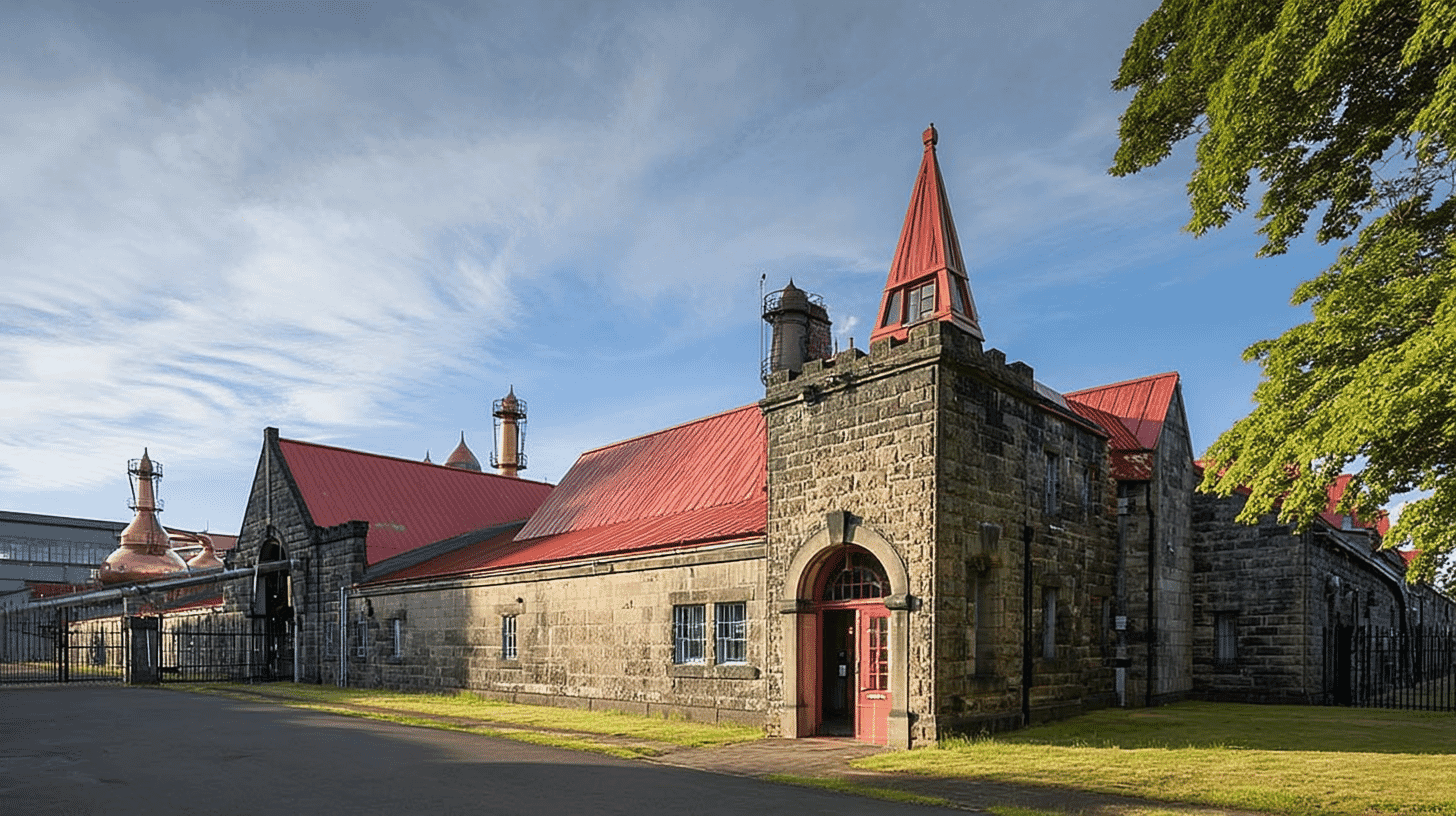
Ten Showa-period distillery buildings in Hokkaido. Their own dates differ from one building to the n...

Preserved at Museum Abashiri Prison in Hokkaido, the Former Abashiri Prison Chapel and Administratio...
Established in 1896 on a forested hillside west of Abashiri City, the Futamigaoka Branch is one of J...
This 1877 wooden office shows how the Hokkaido Development Commission's builders copied American pat...
On Hokkaido's Sea of Japan coast, the Sasanami house is the island's oldest surviving folk dwelling,...
This 1926 former court of appeals is the largest surviving public building of Sapporo soft stone. An...
Discover the Important Cultural Property "Artifacts from Burial Pits at the Tokoro River Estuary Sit...
Other Heritage
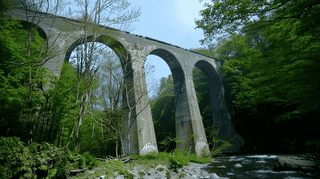
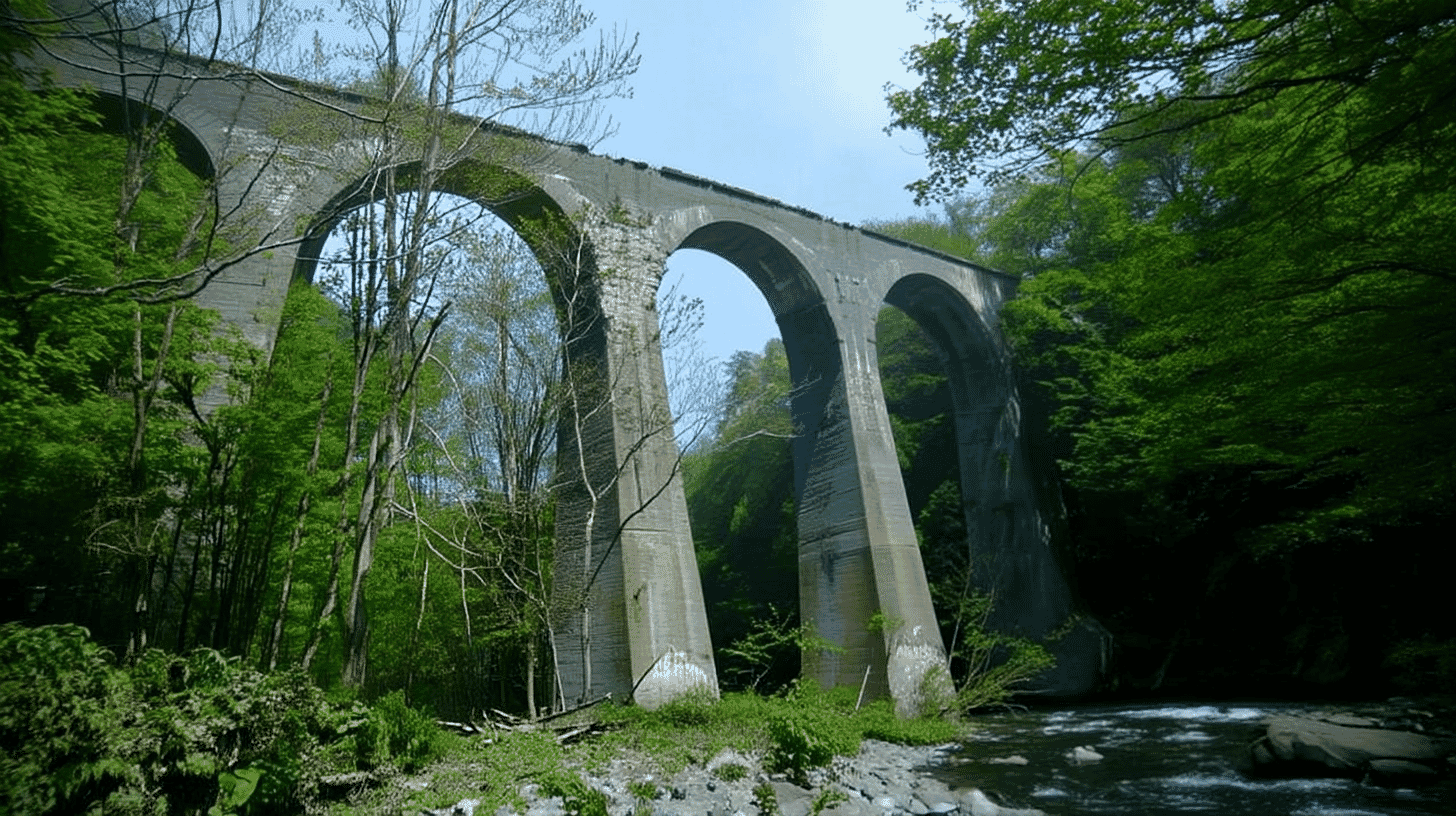
Discover the Koshikawa Bridge, Hokkaido's largest unreinforced concrete railway bridge. A Registered...
Hokkaido's first Western-style park, built in 1879 entirely by citizens through donations and volunt...
Asahikawa's last surviving army riding hall, built in brick for winter cavalry drill. Iron Fink trus...
Completed in 1934 and registered in 2006, the JR Otaru Station Main Building pairs a top-lit central...
Built in 1941 for a sawmill executive on Furano's main street, this low house uses local timber unde...
Junseiji Main Hall, built in 1935 in the Hokkaido forestry town of Tsubetsu, pairs a plain gable roo...
About Hokkaido
The World Natural Heritage site "Shiretoko" (registered 2005) preserves pristine wilderness where diverse wildlife including brown bears, Steller's sea eagles, white-tailed eagles, sea lions, and killer whales thrive. This rare global environment combines marine ecosystems nurtured by drift ice with terrestrial mixed forest ecosystems. As part of "Jomon Prehistoric Sites in Northern Japan" (registered 2021), sites like Ofune and Kakinoshima preserve evidence of Jomon culture spanning over 10,000 years.
Sapporo, with 1.95 million residents, features attractions like the Clock Tower, TV Tower, and Susukino district. The Sapporo Snow Festival annually attracts over 2 million visitors internationally, showcasing elaborate snow and ice sculptures. Hakodate, famous for night views from Mount Hakodate, ranks among the world's three great night views alongside Hong Kong and Naples. Goryokaku, Japan's first Western-style fortress, serves as a renowned cherry blossom spot.
Otaru, known for canals and glass crafts, charms visitors with Meiji and Taisho period architecture. The Furano-Biei region features summer lavender fields and beautiful hill landscapes along the "Hokkaido Garden Highway." Kushiro Marshland, Japan's largest wetland, provides crucial habitat for red-crowned cranes and other birds.
Ainu culture, of Hokkaido's indigenous people, emphasizes harmony with nature through unique worldview. Many place names derive from Ainu language: Sapporo (Sat-poro-pet), Kushiro (Kusuri). Upopoy (National Ainu Museum) in Shiraoi preserves, inherits, and creates Ainu culture.
Hokkaido's food culture emphasizes abundant seafood and agricultural products. Fresh seafood includes king crab, snow crab, scallops, sea urchin, and salmon roe; agricultural products feature potatoes, corn, and asparagus. Genghis Khan (grilled lamb) represents unique Hokkaido cuisine, while Sapporo ramen's rich miso-based broth gained national recognition. Superior dairy products include cheese, butter, and ice cream.
Browse by Type
Designation categories represented in the prefecture, with counts.
Ainu Architectural Techniques and Rituals · Ainu Yukar · Akan Ainu Traditional Dance
Marimo of Lake Akan · Mount Apoi Alpine Plant Community · Irie and Takasago Shell Mounds
Suehirocho, Motomachi, Hakodate City
Cultural Landscape of the Saru River Basin Formed by Ainu Tradition and Modern Settlement
Ainu Traditional Dance · Matsumae Kagura
Hakodate Park
Asaden Shunko Maintenance Factory (Former Army 7th Division 7th Cavalry Regiment Covered Riding Hall) · Asahikawa City Civic Activities Exchange Center Civic Activity Support Wing · Asahikawa City Civic Activities Exchange Center Hall Wing
Takasu Farrier Equipment and Related Materials
Hokkaido in Periods
Periods represented by designated properties in the prefecture.