
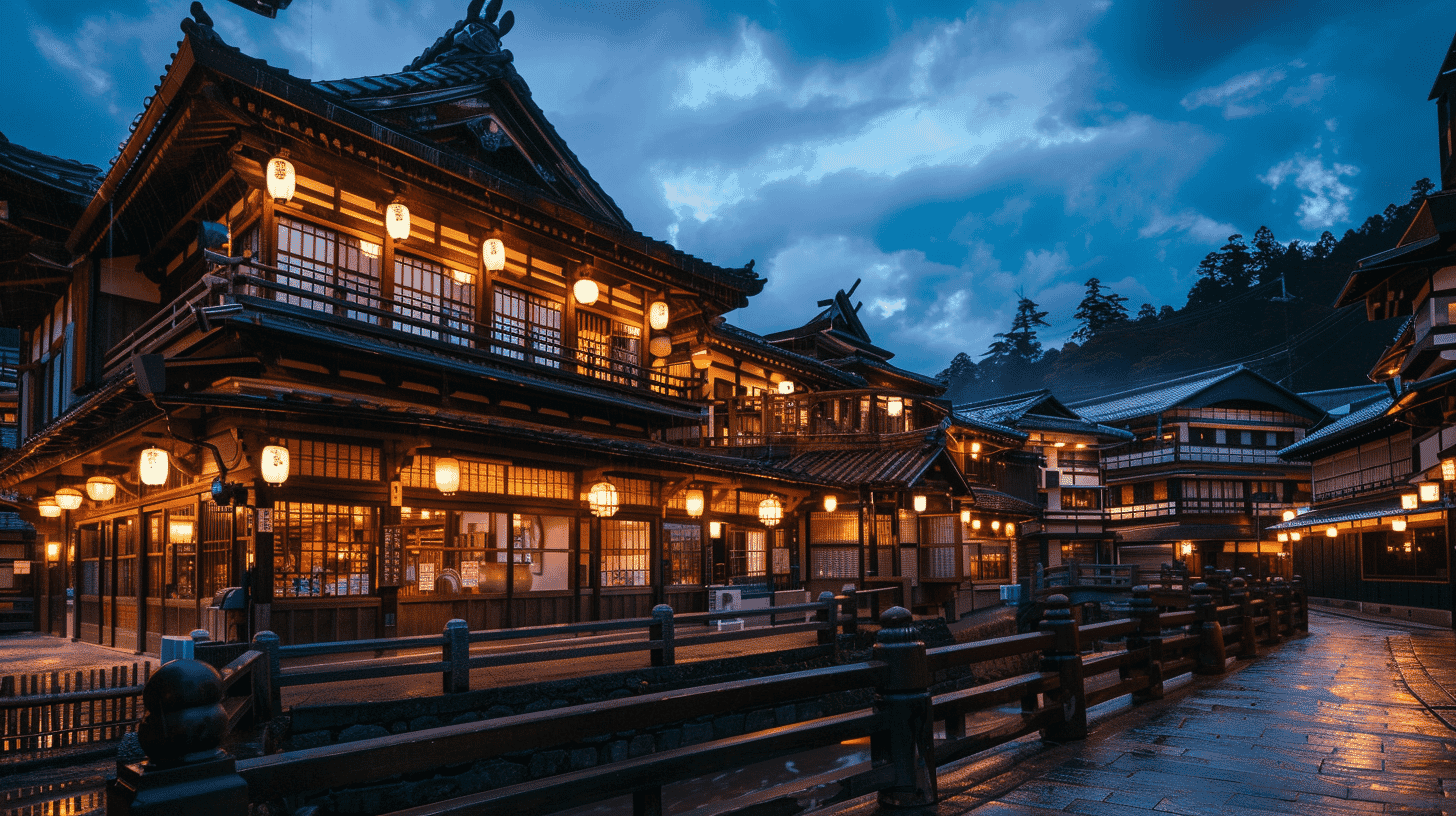
Matsuyama Castle, Dōgo Onsen architecture, and sea-route shrines define Ehime. Browse properties with tram and rail travel tips.
National Treasures
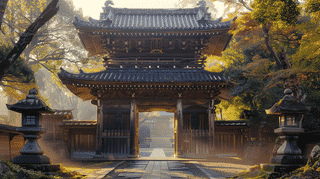
A two-storeyed gate at Ishiteji in Matsuyama, Ehime, said to date from 1318. Its frog-leg struts are...
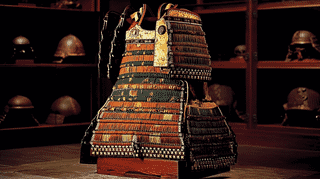
A Heian great armour at Oyamazumi Shrine in Ehime, laced in three colours to form an arrowhead plant...
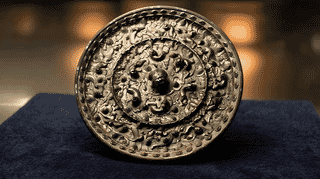
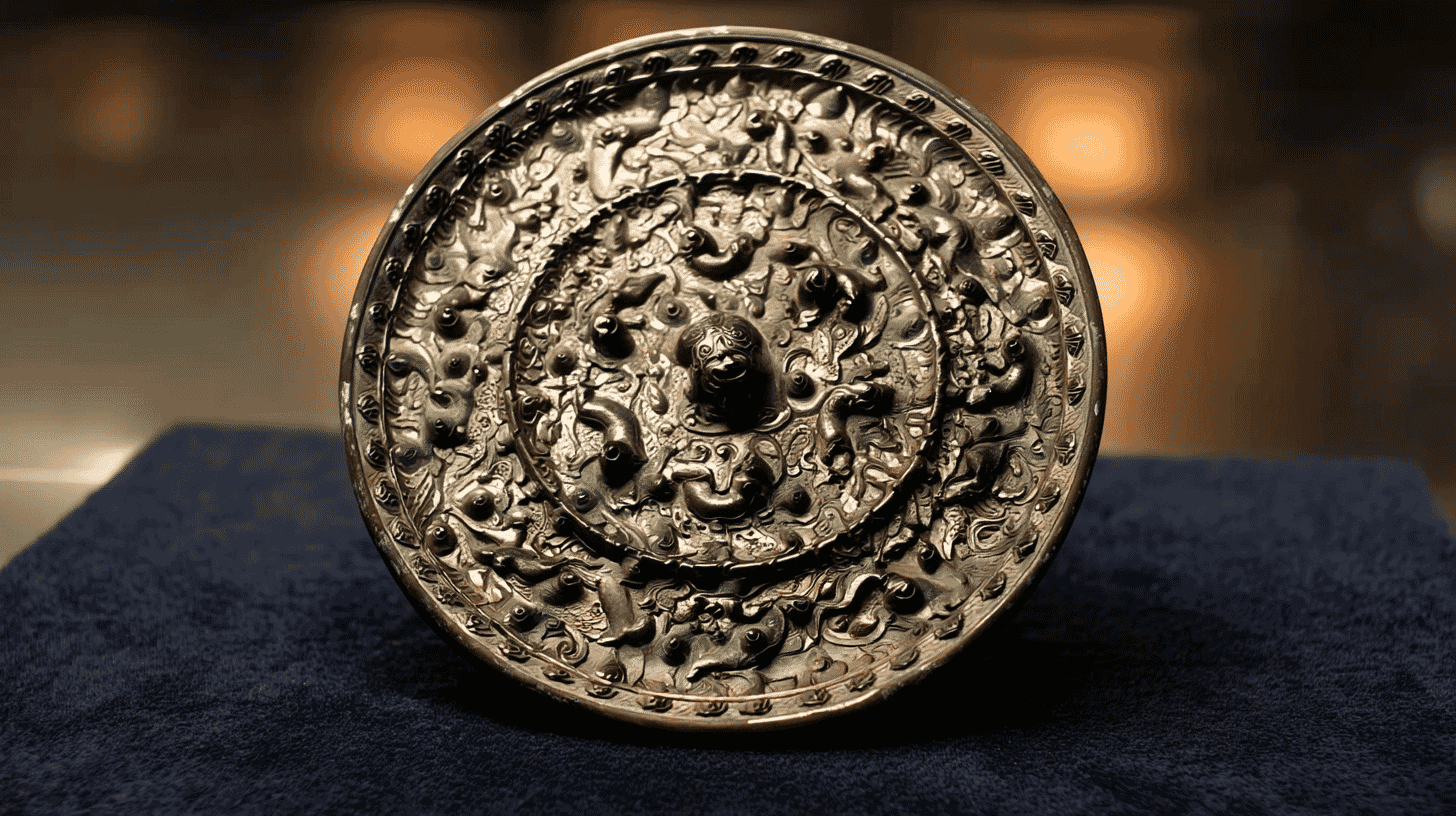
A Tang bronze mirror at Oyamazumi Shrine in Ehime, 26.8 centimetres across. A grapevine forms the gr...
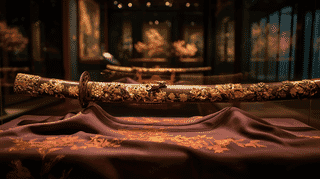
A Kamakura sword mounting at Oyamazumi Shrine in Ehime, 96.3 centimetres long. Its peony arabesque i...
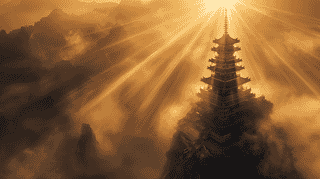
Explore the extraordinary Naraharayama Sutra Mound artifacts, 42 National Treasures from 12th-centur...

Discover the National Treasure main hall of Taisan-ji Temple, a magnificent Kamakura-period Buddhist...
Important Cultural Properties
The Ioji Temple Main Hall Zushi in Toon City, Ehime, is a miniature shrine of 1534, 289 cm tall in Z...
Isaniwa Shrine in Matsuyama keeps four buildings of 1667 in the rare hachiman-zukuri form, plus 22 s...
Tucked away behind the three-story pagoda of Ishiteji Temple in Matsuyama, the Karitei-mo-ten-do is ...
A square Muromachi hall east of the pagoda at Ishiteji in Matsuyama, designated in 1953. Its plank f...
A granite gorinto at Ishiteji in Matsuyama, just over 273 centimetres tall and designated in 1952. B...
A 24.1-metre pagoda at Ishiteji in Matsuyama, designated an Important Cultural Property in 1907. Its...
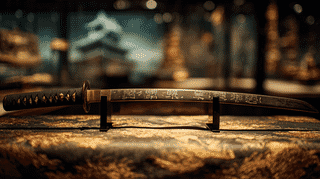
A Nanbokucho dagger at the Ehime Prefectural Museum of Art, 29.2 centimetres long. By Kunihiro of th...
Discover the Kawazutsumi-no-tachi—a rare Important Cultural Property at Ōyamazumi Shrine on Ōmishima...
Discover the Kin-kozane Beni-ito Odoshi Koshi-asagi Ōsode, an Important Cultural Property preserved ...
This article introduces the Kuro-urushi Tachi, an unsigned slim tachi mounting designated as an Impo...
Preserved at Ōyamazumi Shrine on Ōmishima island in the Seto Inland Sea, the Black Leather-Laced Dōm...
Discover the Kurokawa-odoshi Nijūkken Sujikabuto, a 14th-century black leather-laced ribbed helmet p...
Other Heritage
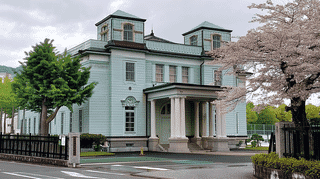
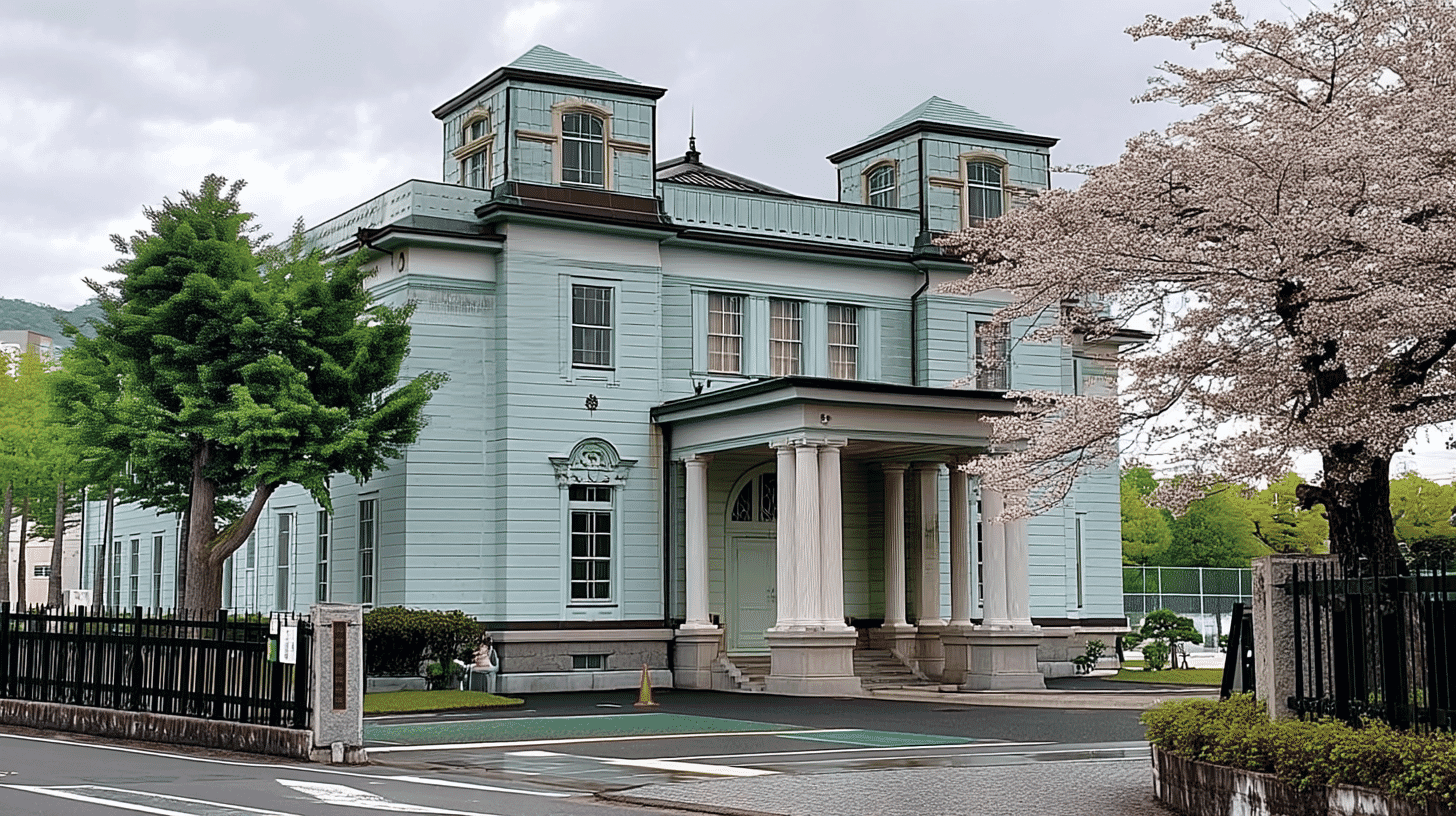
A timber auditorium of 1922 in Matsuyama, Ehime, built for a school run by the ministry. Its front c...
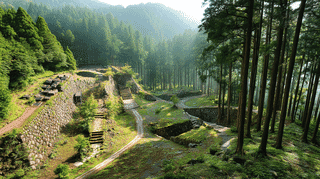
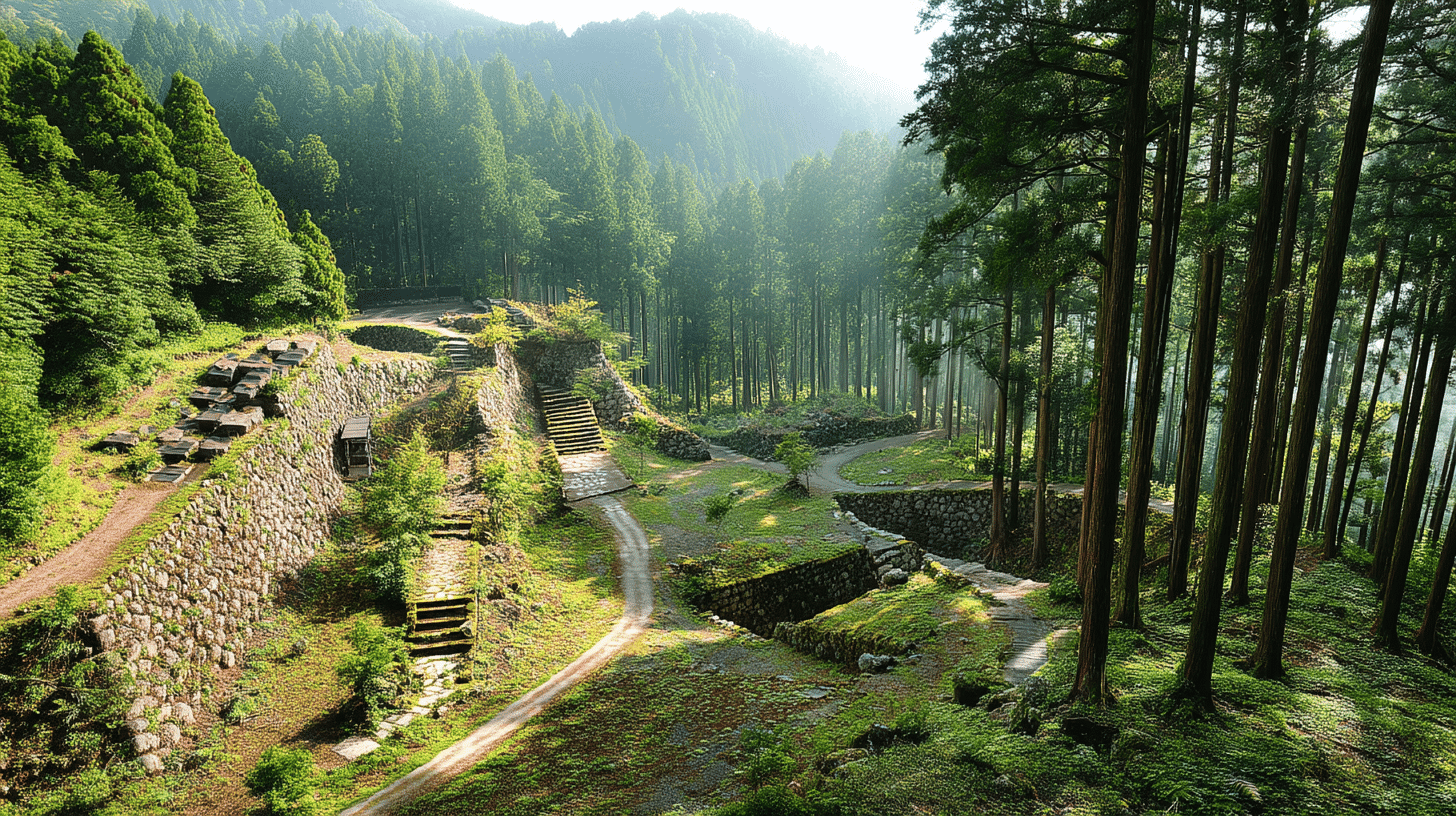
The site of a Tendai Vinaya temple in the hills of Kihoku, Ehime. Some twenty terraces cut into a va...
Jokoji Temple Main Hall on Iwagi Island in Ehime is a three-bay Pure Land hall of 1752, with a pyram...
An 1884 shop and dwelling of the Suenaga shipping agents at Nagahama in Ozu, Ehime, registered in 20...
Jokoji Temple Jizo Hall on Iwagi Island, Ehime, is a 16-square-meter hall of 1831 whose chamfered pi...
A Registered Tangible Cultural Property in Uwajima, Ehime: a 1911 soy sauce merchant's house on a fo...
About Ehime
Dogo Onsen, one of Japan's oldest-class hot springs with approximately 3,000 years history, is also famous as setting for Natsume Soseki's novel "Botchan." Dogo Onsen Honkan, three-story wooden hot spring architecture built in 1894, is designated as important cultural property. Currently under preservation repairs, but hot springs enjoyable at annexes like Asuka-no-yu.
Matsuyama Castle, hirayama castle built over quarter-century from 1602, represents one of 12 existing keeps designated as national important cultural property. Honmaru atop mountain offers spectacular views of Matsuyama cityscape and Seto Inland Sea, particularly famous during cherry blossom season with approximately 200 trees blooming. Accessible by ropeway or chairlift.
Ehime Prefecture leads Japan in citrus production, particularly known for high-quality satsuma mandarin quality. Urban legend of "citrus juice from faucets" led to actual citrus juice faucets installed at Matsuyama Airport and Dogo Onsen surroundings.
Imabari towels represent high-quality towel brand produced in Imabari City, Ehime Prefecture, with only products clearing strict quality standards receiving Imabari towel certification. Excellent in absorbency, safety, and texture, receiving high domestic and international evaluation. Specialty shops including Iori offer various Imabari towel products.
Ishite-ji, Shingon Buddhism temple in Matsuyama City serving as 51st temple of Shikoku 88 Pilgrimage, features Nio-mon gate from late Kamakura period designated as national treasure, representing premier beauty among nationwide tower gates.
Daihoji Hondo and Taisan-ji Hondo also represent national treasure buildings, respectively from early Kamakura period and 1305 construction. Daihoji Hondo represents Amida hall from Pure Land Buddhism prosperity period, while Taisan-ji Hondo represents nationally premier-scale esoteric Buddhism hall as precious cultural properties.
Tobe-yaki represents ceramics made in Tobe town, Ehime Prefecture, characterized by white porcelain with indigo painting as representative Iyo traditional craft. Continuing since 1777, numerous kilns maintain techniques today.
Tai-meshi represents Ehime Prefecture local cuisine using fresh red sea bream from Uwa Sea. Nanyo region features "hyuga-meshi" style mixing sea bream sashimi with egg yolk and special sauce over rice, while Chuyo/Toyo regions offer "takikomi-meshi" style cooking whole sea bream with rice.
Browse by Type
Designation categories represented in the prefecture, with counts.
Iyo Kagura · The Customs of the Tea Ceremony in Iyo · Kubono's Eight Deer Dance
Iyo Kokubunji Temple Pagoda Ruins · Iyo Pilgrimage Route / Kanjizai Temple Route / Inari Shrine · Iwaya
Uchiko Town Yokaichi Gokoku · Unomachi, Uwacho, Seiyo City
Terraced Fields and Farming and Fishing Village Landscapes · Okuuchi Rice Terraces and Rural Landscapes · Yusamizugaura Terraced Fields
Ishizuchi Black Tea Manufacturing Technology · Iyo Kagura · Yoshida Festival Parade Event
Kamibayashi Wind Cave · Turner Island · Hozumi Bridge
Asahikan · Asahi Soy Sauce Brewery · Iguchi Yonban-hama Kita Maruhi
Ehime in Periods
Periods represented by designated properties in the prefecture.