A Pilgrimage Treasure: The Temizuya of Kannon-shoji Temple
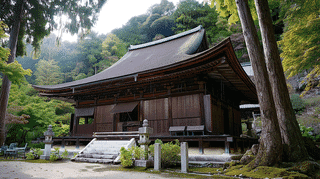
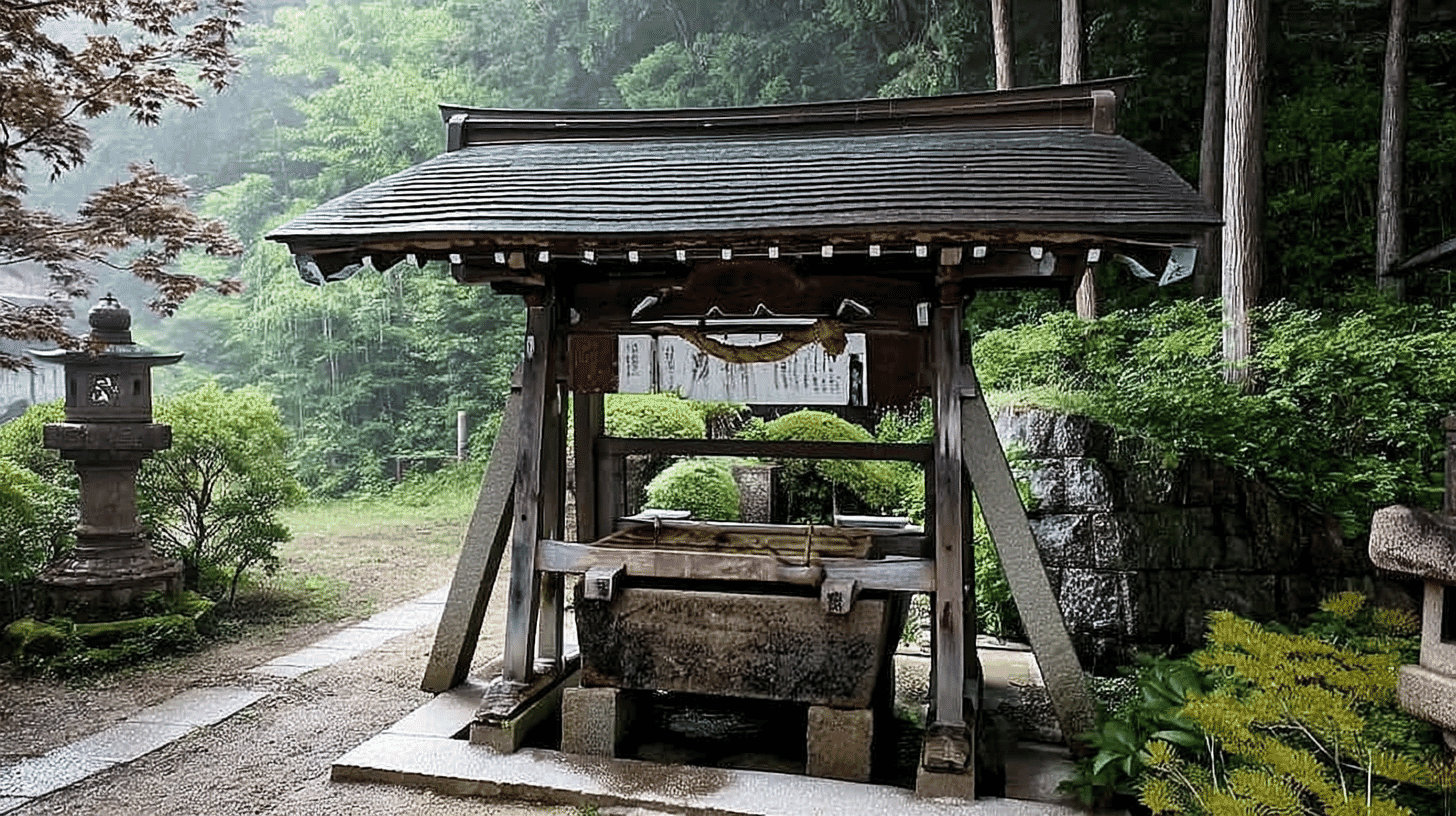
Perched high on the sacred slopes of Mount Kinugasa in Shiga Prefecture, the Temizuya (purification pavilion) of Kannon-shoji Temple stands as a quiet testament to Japan's enduring architectural traditions. Registered as a Tangible Cultural Property of Japan in October 2021, this elegant wooden structure invites visitors to pause, cleanse their hands and hearts, and prepare for their encounter with one of Japan's most historically significant pilgrimage temples.
Understanding the Temizuya: Gateway to Purification
The practice of ritual purification before approaching sacred spaces is deeply woven into Japanese spiritual traditions. The Temizuya serves as the physical space where pilgrims and visitors perform temizu, washing their hands and rinsing their mouths to achieve spiritual cleanliness before entering temple grounds. At Kannon-shoji, this ritual takes on special significance, as the temple has welcomed pilgrims along the Saigoku Kannon Pilgrimage route for over a millennium.
Built around 1928 during the early Showa period, the Kannon-shoji Temizuya represents a harmonious blend of traditional temple architecture with the craftsmanship sensibilities of its era. Unlike many modern reconstructions, this structure has maintained its original form for nearly a century, providing an authentic window into early 20th-century religious architecture.
Architectural Features and Cultural Value
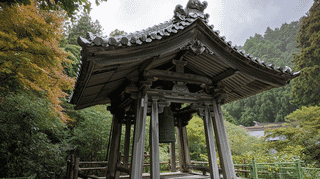
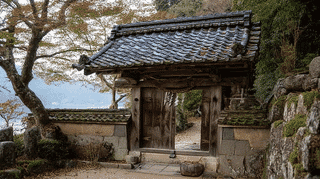
The Temizuya is located north of the Shoin Garden Gate, positioned as a south-north building facing west. This thoughtful orientation reflects the careful consideration given to the flow of pilgrims as they move through the temple complex.
The structure showcases several notable architectural elements that earned it recognition as a Registered Tangible Cultural Property:
- Kirizuma-zukuri (gabled roof) construction with copper sheet roofing, covering an area of approximately 1.5 square meters
- Two main wooden pillars connected by a kouryou (rainbow beam), a curved decorative beam that adds both structural integrity and visual grace
- Stone supporting pillars that complement the wooden main pillars
- Hijiki (bracket arms) with supporting pillars that bear the weight of the cantilevered udegi (arm wood), which in turn supports the ridge beam
- Hiramitsudo (flat three-bracket complex) atop the main pillars, demonstrating sophisticated joinery techniques
- A kaerumata (frog-leg strut) positioned at the center of the rainbow beam, serving both decorative and structural purposes
The kaerumata is particularly noteworthy. Named for its resemblance to a frog with spread legs, this architectural element has been used in Japanese temple construction since the Nara period. At Kannon-shoji, the kaerumata adds an elegant decorative touch while supporting the roof structure above.
Why This Structure Was Designated a Cultural Property
The Temizuya was registered as a Tangible Cultural Property on October 14, 2021, under registration number 25-0494. The designation recognizes structures that contribute to Japan's historical landscape, and the Kannon-shoji Temizuya fulfills this criterion by helping to preserve and enhance the historic atmosphere of this important pilgrimage temple.
As stated in the official cultural heritage database, this structure plays a vital role in maintaining the historical landscape of the pilgrimage temple. In an era when many traditional structures have been replaced or significantly modified, the Temizuya's preservation represents a commitment to maintaining the authentic character of sacred spaces that have welcomed spiritual seekers for generations.
Kannon-shoji Temple: A Living Heritage Site
To fully appreciate the Temizuya, one must understand the remarkable temple it serves. Kannon-shoji is the 32nd temple on the Saigoku Kannon Pilgrimage, Japan's oldest pilgrimage route, which was designated as a Japan Heritage site in 2019 under the title "1,300 Years of Japan's Spiritual Journey: The Saigoku Kannon Pilgrimage."
According to temple tradition, Kannon-shoji was founded in 605 CE by Prince Shotoku, one of Japan's most revered historical figures. The prince is said to have encountered a mermaid in Lake Biwa who begged him to carve an image of Kannon (the Bodhisattva of Compassion) to help release her from the suffering caused by her sins as a fisherman in a previous life. Moved by her plea, Prince Shotoku carved the thousand-armed Kannon and established this temple on Mount Kinugasa.
The temple stands at approximately 370 meters elevation on the southern slope of Mount Kinugasa (432.9 meters), occupying the former site of Kannonji Castle. This strategic location once commanded views over the eastern shores of Lake Biwa and the important trade routes connecting Kyoto to the eastern provinces.
A Temple Reborn from Ashes
The current main hall of Kannon-shoji was rebuilt in 2004 following a devastating fire in 1993 that destroyed the previous structure along with its Important Cultural Property designated principal image. The new main hall houses a magnificent sandalwood Senju Kannon (Thousand-Armed Kannon) statue, carved from 23 tons of white sandalwood imported from India. The fragrant aroma of the wood permeates the hall, creating a uniquely sensory spiritual experience.
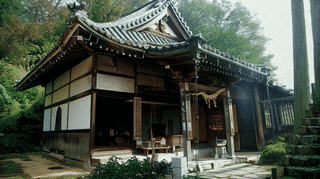
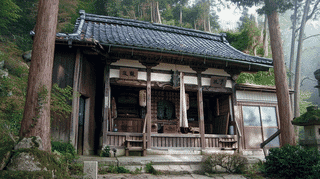
While the main hall is relatively new, several other structures on the temple grounds have been preserved from earlier periods and registered as Tangible Cultural Properties alongside the Temizuya. These include the Fudado (bell tower), the Jizodo (Jizo hall), and various other buildings that together create an authentic pilgrimage atmosphere.
Nearby Attractions: Exploring the Kinugasa Mountain Area
A visit to Kannon-shoji offers the opportunity to explore one of Japan's most historically layered landscapes:
- Kannonji Castle Ruins: Adjacent to the temple, these extensive ruins of one of Japan's Five Great Mountain Castles showcase impressive stone walls that predate Azuchi Castle. The castle served as the headquarters of the Rokkaku clan, guardians of Omi Province.
- Azuchi Castle Site: Just across the valley, the ruins of Oda Nobunaga's revolutionary castle offer insights into the dramatic transition from medieval to early modern Japan.
- Kyorinbo Temple: A hidden gem at the mountain's base, this temple features gardens attributed to the master Kobori Enshu and is renowned for its spectacular autumn foliage.
- Kuwanomi-ji Temple: Another ancient temple on Mount Kinugasa accessible via connecting mountain paths.
- Omi Merchant Townscapes: The nearby Gokasho district preserves the elegant residences of the legendary Omi merchants.
Visitor Experience: The Journey to Kannon-shoji
Reaching Kannon-shoji is itself part of the pilgrimage experience. The temple can be accessed via several routes:
The traditional approach involves climbing approximately 1,200 stone steps from the mountain base, a journey that takes about 40 minutes and has been considered one of the most challenging stretches of the Saigoku Pilgrimage for over a thousand years.
For those seeking a less strenuous approach, toll roads on both the front (Omihachiman side) and back (Higashiomi side) of the mountain allow vehicles to reach parking areas closer to the temple. From these points, visitors still enjoy a scenic walk through the mountain forest before arriving at the temple grounds.
Upon entering the temple precincts, visitors pass the imposing Nio guardian statues that stand without a formal gate, directly exposed to the elements. The Temizuya awaits nearby, offering the first opportunity to engage with the temple's sacred rituals.
Best Times to Visit
Each season offers unique reasons to visit Kannon-shoji and experience the Temizuya:
- Spring: Cherry blossoms dot the mountainside, and the fresh green of new leaves creates a rejuvenating atmosphere.
- Summer: The cool mountain air provides respite from lowland heat, and morning mists add mystical beauty to the temple grounds.
- Autumn: The surrounding forests blaze with red and gold, making this one of the most photogenic times to visit.
- Winter: Snow occasionally dusts the temple buildings, creating a serene, contemplative atmosphere ideal for quiet reflection.
Preserving Tradition for Future Generations
The registration of the Kannon-shoji Temizuya as a Tangible Cultural Property represents more than official recognition of an old building. It reflects Japan's commitment to preserving the authentic atmosphere of its sacred spaces and ensuring that future generations can experience the same sense of continuity with the past that pilgrims have felt for centuries.
When you dip your hands into the cool water of the Temizuya, you are participating in a ritual that connects you to countless pilgrims who have made this same gesture before entering to pray. The early Showa-era architecture that shelters this moment represents a particular point in the temple's long history, a time when traditional craftsmanship still flourished and sacred spaces were maintained with the same care and attention that had characterized Japanese temple architecture for centuries.
- 📍 Plan Your Visit to Shiga
- Find tours, activities & transport passes near Kannonshoji Temple Chozuya
- [ Hikone Castle & Lake Biwa Cruise Experiences ]
Q&A
- What is a Temizuya, and how should I use it?
- A Temizuya is a purification pavilion found at Japanese temples and shrines where visitors cleanse their hands and mouth before entering sacred areas. The traditional method involves using the ladle to pour water first over your left hand, then your right hand, then cupping water in your left hand to rinse your mouth (do not drink), and finally tilting the ladle vertically to rinse its handle. This ritual symbolizes the purification of body and mind.
- How difficult is it to reach Kannon-shoji Temple?
- Kannon-shoji is considered one of the more challenging temples on the Saigoku Pilgrimage. The traditional approach involves climbing about 1,200 stone steps (approximately 40 minutes). However, toll roads allow vehicles to reach mountain parking areas, from which it is a 10-15 minute walk to the temple. From the front road parking area, approximately 400 stone steps remain.
- What makes the Temizuya's architecture special?
- Built around 1928, the Temizuya features traditional elements including a kouryou (rainbow beam) connecting the main pillars, a kaerumata (frog-leg strut) for both decoration and structural support, and a hiramitsudo bracket complex. These elements represent sophisticated joinery techniques that have been used in Japanese temple architecture for centuries, preserved here in an authentic early Showa period example.
- Can I combine a visit to Kannon-shoji with other nearby attractions?
- Yes! Kannon-shoji is ideally located for exploring multiple historic sites. The adjacent Kannonji Castle ruins and nearby Azuchi Castle site can be visited on the same trip. At the mountain's base, Kyorinbo Temple (especially beautiful during autumn foliage season) offers a complementary experience. The entire area is rich in samurai and merchant history.
- Is there an entrance fee, and what are the opening hours?
- The temple admission fee is 500 yen for adults and 300 yen for junior high and high school students. There is also a toll road fee of 600 yen per vehicle if you drive up the mountain road. The temple is generally open during daylight hours. Note that the mountain toll roads typically operate from 8:30 AM to 4:30 PM and may be closed during winter due to snow or ice.
Basic Information
| Name | Kannon-shoji Temple Temizuya (観音正寺手水舎) |
|---|---|
| Cultural Property Status | Registered Tangible Cultural Property (Building) |
| Registration Number | 25-0494 |
| Registration Date | October 14, 2021 |
| Construction Period | Early Showa Period (circa 1928) |
| Structure | Wooden construction, copper sheet roofing, approximately 1.5 square meters |
| Architectural Style | Kirizuma-zukuri (gabled roof) with rainbow beam and frog-leg strut |
| Location | 2 Kinugasayama, Ishidera, Azuchi-cho, Omihachiman City, Shiga Prefecture |
| Owner | Kannon-shoji Temple (Religious Corporation) |
| Access | From JR Azuchi Station: approximately 20 minutes by car to mountain parking, then 10 minutes walk. From JR Notogawa Station: approximately 15 minutes by car to mountain parking, then 10 minutes walk. |
| Temple Admission | Adults: 500 yen / Students (junior high & high school): 300 yen |
| Toll Road Fee | 600 yen per vehicle |
References
- Agency for Cultural Affairs - National Cultural Properties Database
- https://kunishitei.bunka.go.jp/bsys/maindetails/101/00014044
- Cultural Heritage Online - Kannon-shoji Temizuya
- https://bunka.nii.ac.jp/heritages/detail/520194
- Saigoku 33 Kannon Pilgrimage - Temple No. 32 Kannon-shoji
- https://saikoku33.gr.jp/place/32
- Wikipedia - Kannon-shoji
- https://ja.wikipedia.org/wiki/観音正寺
- Kannon-shoji Temple Official Website
- https://kannonshoji.or.jp/
- Biwako Visitors Bureau - Kannonji Castle
- https://www.biwako-visitors.jp/sengoku/walk/course/12/
Last verified: 2026.01.02
Nearby heritages
- Kannonshoji Temple Shoin Garden Gate
- 2 Ishidera, Hinoyama, Azuchi-cho, Omihachiman City, Shiga Prefecture
- Kannonshoji Temple
- 2 Ishidera, Hinoyama, Azuchi-cho, Omihachiman City, Shiga Prefecture
- Kannonshoji Temple Goma Hall
- 2 Ishidera, Hinoyama, Azuchi-cho, Omihachiman City, Shiga Prefecture
- Kannonshoji Temple Jizo Hall
- 2 Ishidera, Hinoyama, Azuchi-cho, Omihachiman City, Shiga Prefecture
- Kannonshoji Shoin
- 2 Ishidera, Hinoyama, Azuchi-cho, Omihachiman City, Shiga Prefecture
- Kannonshoji Temple Bell Hall
- 2 Ishidera, Hinoyama, Azuchi-cho, Omihachiman City, Shiga Prefecture
- Kannonji Castle Ruins
- Azuchi Town, Gamo County, Higashiomi City
- Kuwamiji Temple Main Hall
- Oaza Kuwajiji, Azuchi-cho, Omihachiman City, Shiga Prefecture
- Hyōtanyama Kofun
- Azuchi Town, Gamo District
- Former Miyaji Family Residence (formerly Located in Kunitomo
- 6839 Yamada, Shimo Toyoura, Azuchi-cho, Omihachiman City, Shiga Prefecture