
National Treasures of Kyoto
京 都 府 の 国 宝Kyoto’s national treasures — properties designated kokuhō for their exceptional value to the nation.
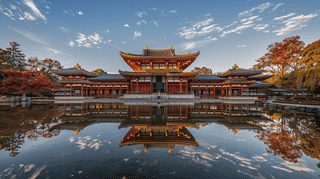
The Phoenix Hall of Byodoin in Uji, built in 1053, is four symmetrical buildings, a central hall, two floorless wings and a tail, facing a pond as a Pure Land palace
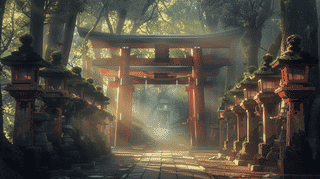
Kamo Mioya Shrine in Kyoto, known as Shimogamo, holds two National Treasure sanctuaries of 1863 and 31 Important Cultural Property buildings of 1629, listed as one.
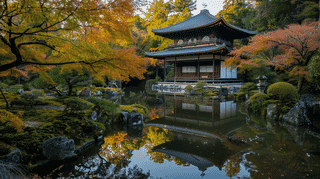
A pavilion of 1489 at Jishoji in Kyoto, its first storey a dwelling in the shoin manner and its second a Zen-style Buddhist hall. National Treasure since 1951.
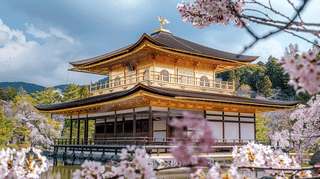
A Buddhist hall at Daigoji in Kyoto, moved here from Yuasa in Kishu between 1598 and 1600. Its year of building is unknown; the largest surviving late Heian work.
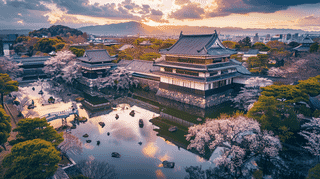
Nijo Castle in Kyoto, occupied by Ieyasu in 1603 and remodelled in 1626, holds Japan's only surviving castle palace: six National Treasure shoin buildings in echelon
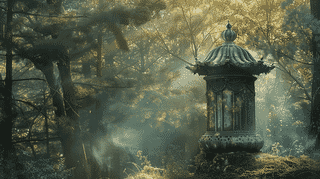
Finds from sutra mounds at Kuramadera in Kyoto, over twenty entries including three reliquary pagodas. Inscriptions show deposits made over 140 years from 1120.
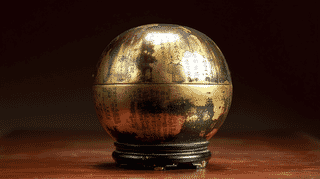
A gilt bronze funerary urn found at Kashiba in Nara, now at the Kyoto National Museum. A sphere parting in two, inscribed inside the lid with 391 characters.
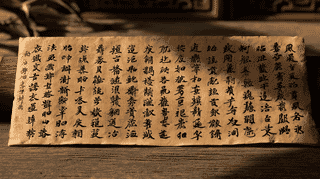
A Chinese calligraphy album in Kyoto Prefecture, the Thousand Character Classic written twice in two scripts. The Agency leaves the maker field blank.
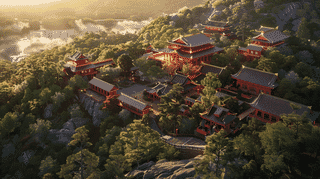
Experience the 1,160-year-old Iwashimizu Hachimangu Shrine, a National Treasure featuring rare Hachiman-zukuri architecture, imperial history, and surprising connections to Edison's light bulb. Just 30 minutes from Kyoto without the crowds.
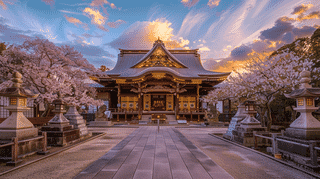
A shrine in Kamigyo Ward, Kyoto, where a stone chamber joins the main hall to the worship hall, with a pair of music rooms adjoining on either side of it.
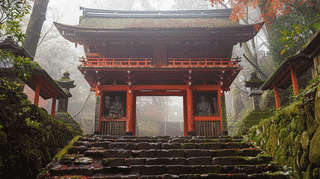
A two-storey gate of the Kamakura period on Kimino-san in Ayabe, Kyoto, roofed in thick chestnut boards. An inscription found in repair fixed its date.
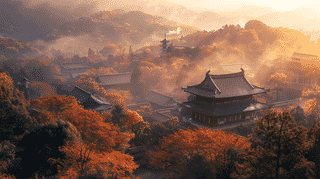
Discover Daitoku-ji Temple, Kyoto's 700-year-old Zen complex housing National Treasures and revolutionary gardens. Birthplace of Japanese tea ceremony and wabi-sabi aesthetics, this temple village offers authentic cultural immersion beyond typical tourism.
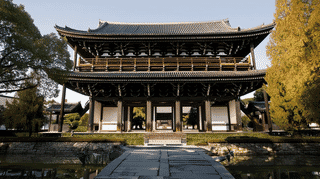
A two-storey gate of five bays at Tofukuji in Kyoto. Though it stands at a Zen temple, its structure follows the great Buddha manner instead of the Zen.
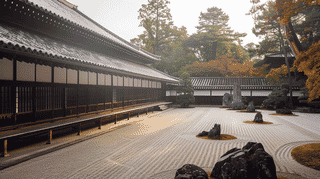
A building at Nanzenji in Kyoto in which a greater and a lesser hall join to form one. The official record lists all of its rooms one by one, by name.
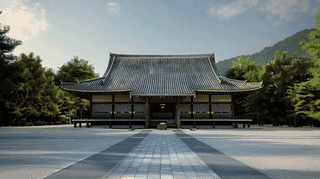
A temple hall at Ninnaji in Kyoto, seven bays by five. It was the Shishinden of the imperial palace, moved here in 1643 and serving as a hall ever since.
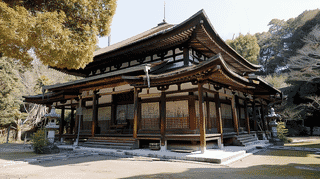
An early Kamakura Buddhist hall at Hokaiji in Fushimi, Kyoto, five bays square. Heavenly beings are painted across its columns and over its ceiling alike.
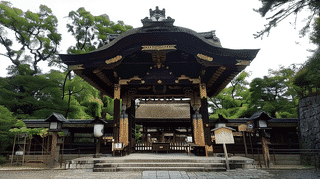
A four-legged gate of the Momoyama period at Toyokuni Shrine in Kyoto. It is said to have come from Fushimi Castle by way of two other sites before this.
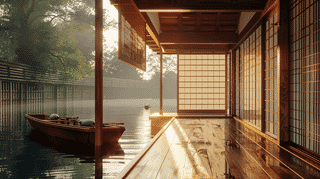
A three-storey pavilion at Honganji in Kyoto. Its north and south faces agree at 25.8 metres while its east and west faces do not agree with each other.
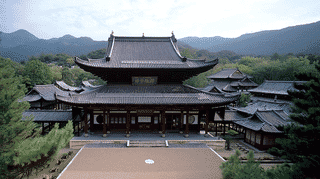
The head temple of the Obaku school at Uji, Kyoto. Its layout and its manner alike follow Chinese Buddhist building of the late Ming and the early Qing.
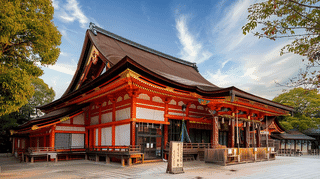
A shrine hall in Gion, Kyoto, seven bays by six, with three bays projecting at the back. Built in 1654, it was designated a National Treasure in 2020.
More from Kyoto
Kyoto’s registered properties across designations, with featured heritage and travel notes.
The complete kokuhō catalogue — browse by prefecture, period, and category.
Nationwide jūyō bunkazai — architecture, sculpture, painting, crafts, and documents.