
National Treasures of Kyoto
京 都 府 の 国 宝Kyoto’s national treasures — properties designated kokuhō for their exceptional value to the nation.
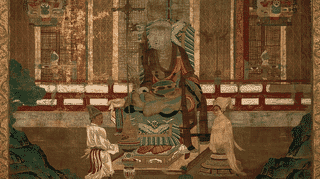
Discover the National Treasure "Sixteen Arhats" paintings at Seiryoji Temple in Kyoto. These rare Northern Song Chinese Buddhist paintings are the only surviving Chinese examples in Japan and among the oldest arhat paintings in the world.
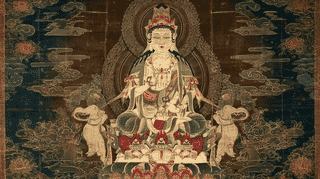
Discover the National Treasure silk painting of Fugen Enmei at Matsunoo-dera Temple in Maizuru, Kyoto. A masterpiece of Heian period Buddhist art with exquisite kirikane gold leaf and ungen color gradation techniques, once owned by Empress Bifukumon'in.
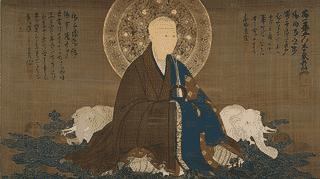
Discover the National Treasure "Portrait of Wuzhun Shifan" at Tofuku-ji Temple in Kyoto. A masterpiece of Southern Song Dynasty chinso portraiture from 1238 that embodies the spiritual bond between Zen master and disciple across China and Japan.
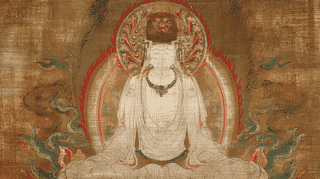
Discover the National Treasure silk painting Butsugen Butsumo-zo at Kosanji Temple, Kyoto. Learn about the esoteric Buddhist Mother of All Buddhas and the devotion of the monk Myoe Shonin.
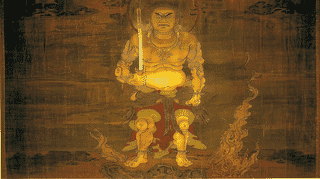
Discover the National Treasure "Fudo Myoo Painting (Yellow Fudo)" at Manshu-in Temple in Kyoto. A 12th-century Heian masterpiece of Buddhist art, one of Japan's Three Great Fudo Paintings, with a remarkable hidden discovery revealed during restoration.
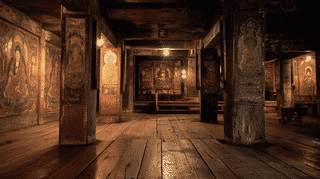
Discover the National Treasure wall paintings inside the Five-Story Pagoda at Daigoji Temple in Kyoto. Dating from 951, these exquisite murals of the Two Realms Mandala and Shingon Patriarchs are among the oldest surviving Buddhist paintings in Japan.
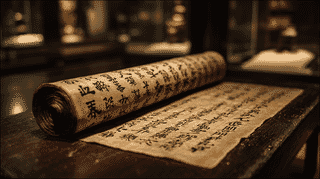
Discover the Kongōjō Darani-kyō, Japan's oldest surviving handwritten sutra, designated as a National Treasure. This 7th-century Buddhist manuscript from the Asuka period reveals the dawn of Japanese writing culture and calligraphic artistry.
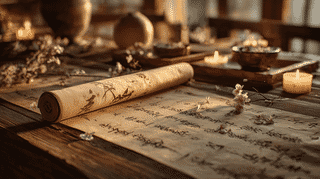
Discover the Konjaku Monogatarishū, Japan's greatest collection of over 1,000 ancient tales from India, China, and Japan. Designated a National Treasure, the Suzuka Manuscript at Kyoto University is the oldest surviving copy of this Heian-period masterpiece that inspired Akutagawa's Rashōmon.
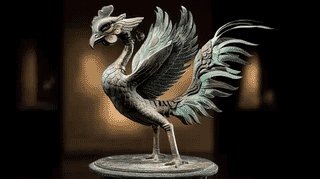
Discover the Gilt Bronze Phoenixes (Kondo Ho-o), a Japanese National Treasure from 1053 CE. These masterpieces of Heian-period metalwork once crowned the Phoenix Hall at Byodo-in Temple in Uji, Kyoto — a UNESCO World Heritage Site.
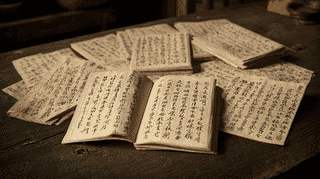
Discover Sanjūjō Sasshi, the National Treasure booklets hand-copied by Kūkai in Tang China. Housed at Ninnaji Temple in Kyoto, these 1,200-year-old esoteric Buddhist manuscripts are among Japan's most sacred cultural treasures.
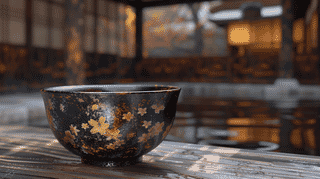
Discover the Taihi Tenmoku tea bowl, a National Treasure from 12th-13th century China housed at Shokoku-ji Temple in Kyoto. Learn about its unique tortoiseshell glaze pattern, historical significance in Japanese tea ceremony, and how to visit this masterpiece of Song Dynasty ceramics.
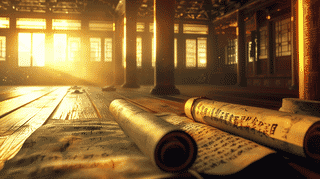
Discover Meihoki, a 7th century Chinese Buddhist manuscript preserved as a National Treasure at Kyoto's Kosanji Temple. This rare collection of karmic tales survived only in Japan, offering unique insights into Tang Dynasty Buddhism.
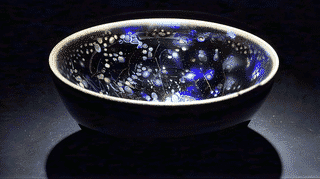
Discover the mystical Yohen Tenmoku tea bowl at Rikkoin Temple, one of only three surviving examples in the world. Learn about this 800-year-old treasure's cosmic patterns, its connection to tea ceremony culture, and viewing opportunities in Kyoto.
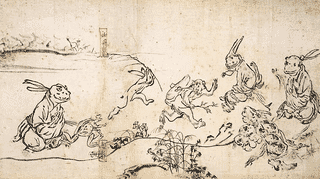
Discover Chōjū-jinbutsu-giga (Scrolls of Frolicking Animals), Japan's oldest manga and National Treasure. Learn about these iconic 12th-century ink scrolls at UNESCO World Heritage Kōzan-ji Temple in Kyoto.
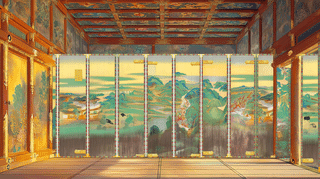
Discover the Kuhon Raigo-zu wall and door paintings inside Byodo-in's Phoenix Hall in Uji, Kyoto. These 1053 CE National Treasure Yamato-e masterpieces depict nine grades of rebirth in the Buddhist Pure Land.
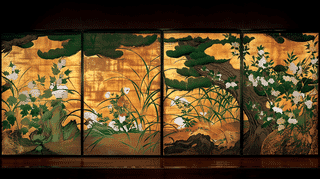
Discover the National Treasure "Pine and Flowers on Gold Ground" two-panel folding screen by the Hasegawa Tohaku school at Chishakuin Temple in Kyoto. A masterpiece of Momoyama-period gold-leaf painting.
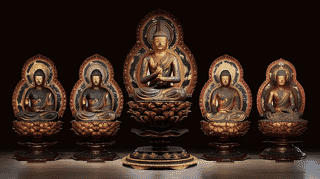
Discover the Five Wisdom Buddhas (Gochi Nyorai) of Anshoji Temple—Japan's oldest complete set of esoteric Buddhist sculptures, designated a National Treasure in 2019. Now viewable at Kyoto National Museum.
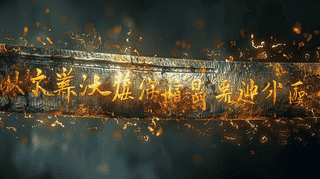
Explore the dramatic discovery of Japan's oldest readable text - 115 gold-inlaid characters hidden for centuries on an ancient sword. Visit the Sakitama Museum near Tokyo to see authentic 5th-century artifacts that proved Japan's early unification.

Discover the 39 bronze bells (dotaku) unearthed from the Kamo Iwakura Site in Shimane — the largest single-site find in Japan. A National Treasure revealing the mysteries of ancient Izumo.
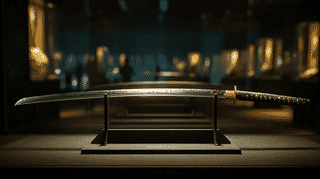
Discover Nakatsukasa Masamune, a National Treasure katana forged by Japan's legendary swordsmith Masamune, once owned by the invincible samurai Honda Tadakatsu. See it at Tokyo National Museum.
More from Kyoto
Kyoto’s registered properties across designations, with featured heritage and travel notes.
The complete kokuhō catalogue — browse by prefecture, period, and category.
Nationwide jūyō bunkazai — architecture, sculpture, painting, crafts, and documents.