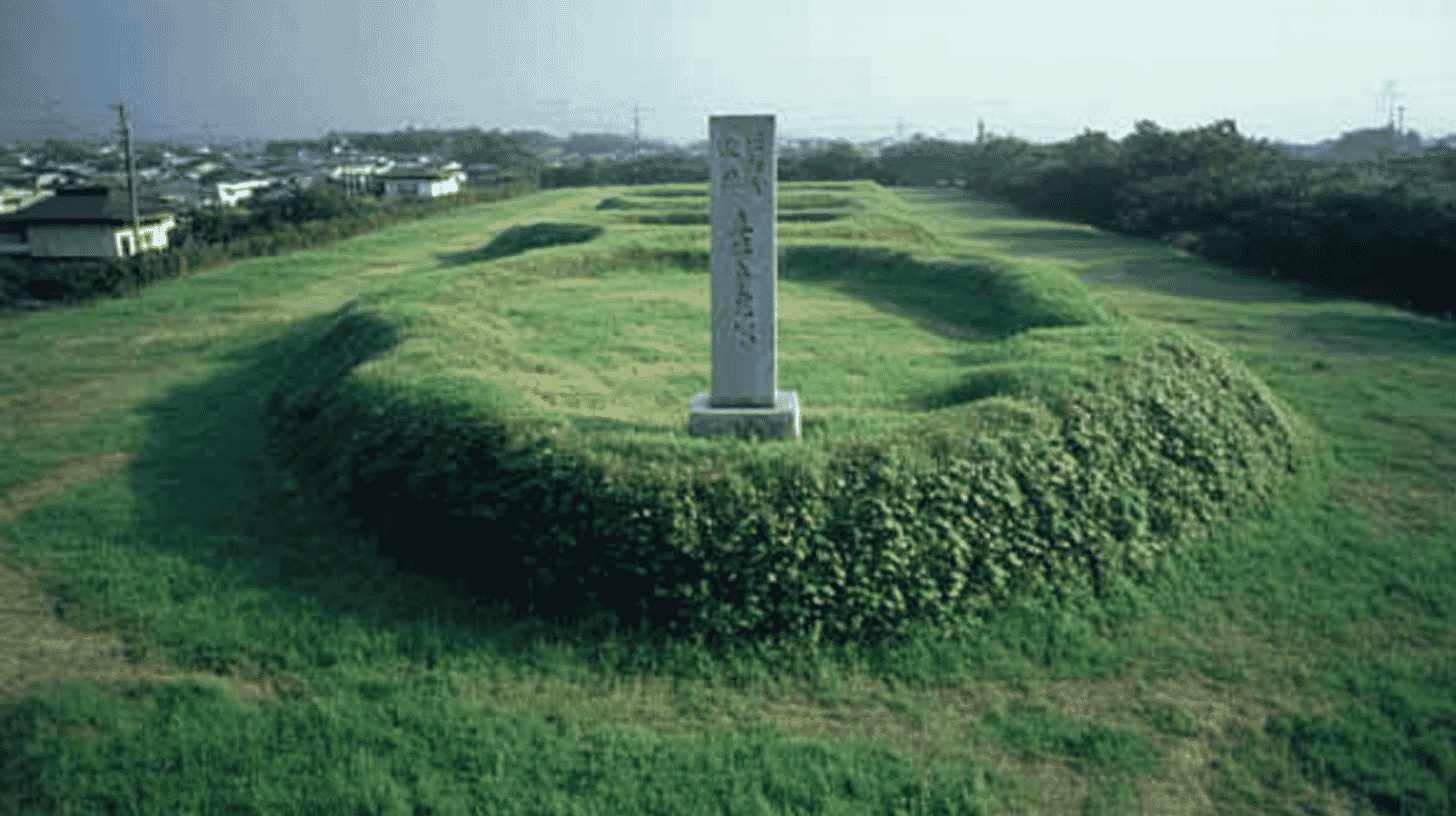
Shinpukuji Shell Mound: A Window into Japan's Prehistoric Past
Nestled in the Iwatsuki district of Saitama City, just an hour from central Tokyo, lies one of Japan's most significant archaeological treasures—the Shinpukuji Shell Mound (真福寺貝塚). This nationally designated historic site offers visitors a rare glimpse into the daily lives of Japan's Jomon Period inhabitants, who thrived here approximately 3,800 to 2,600 years ago. Unlike the crowded tourist destinations of Tokyo and Kyoto, Shinpukuji Shell Mound provides an intimate encounter with Japan's ancient heritage, where ongoing excavations continue to reveal fascinating discoveries about prehistoric Japanese civilization.
What is Shinpukuji Shell Mound?
Shinpukuji Shell Mound is a Late to Final Jomon Period (approximately 2000-600 BCE) settlement site consisting of both a shell mound and a peat layer deposit. The site is located on the Iwatsuki Plateau of the Omiya Tableland, at an elevation of 10 to 13 meters above sea level. The shell mound itself forms an impressive ring shape with a diameter of approximately 150 meters, extending into the alluvial lowlands of a small tributary valley of the Ayase River.
The site comprises primarily Yamato Shijimi (freshwater clams), along with Hamaguri (hard clams) and Magaki (oysters), providing evidence of the diverse aquatic resources that sustained the prehistoric community. The unique combination of a shell mound on higher ground and waterlogged peat deposits in the adjacent wetland has allowed for exceptional preservation of organic materials rarely found at other archaeological sites.
Why Was It Designated as a National Historic Site?
Shinpukuji Shell Mound was designated as a National Historic Site on July 19, 1975, with subsequent additions to the protected area in 1990, 2002, and 2016, bringing the total designated area to approximately 24,800 square meters. The site holds exceptional significance for several reasons.
First, the pottery excavated from this site served as a type-site for archaeological chronology. In 1934, the renowned archaeologist Kiyono Yamanouchi proposed the "Shinpukuji Peat Layer Type" pottery classification, which became a standard reference for dating Late Jomon Period sites throughout the Kanto region. This contribution to Japanese archaeology cannot be overstated.
Second, the site has yielded an extraordinary array of artifacts including clay figurines, clay tablets, clay ear ornaments, magatama jade beads, and stone swords. The most famous among these is the "Mimizuku Dogu" (owl-shaped clay figurine), which has been designated as a National Important Cultural Property. This nearly complete figurine, standing 20.5 centimeters tall, offers invaluable insights into Jomon Period religious beliefs and artistic expression.
Third, the waterlogged peat layer has preserved organic materials including chestnuts, walnuts, gourds, and even lacquerware—materials that typically decompose at other archaeological sites. These discoveries have revolutionized our understanding of Jomon Period plant cultivation and sophisticated craft techniques.
The Legendary Mimizuku Dogu: Icon of Jomon Artistry
The Mimizuku Dogu (owl-shaped clay figurine) is perhaps the most celebrated artifact from Shinpukuji Shell Mound. Named for its resemblance to an owl (mimizuku in Japanese), this clay figurine features dramatically stylized facial features with circular disc-like eyes, ears adorned with what appear to be earrings, and projections on the head interpreted as tied hair or decorative combs.
The figurine's body is flat and plate-like, decorated with intricate sawtooth patterns and cord-marked designs. Traces of red pigment indicate that the entire figure was once painted vermillion. Dating to the Late Jomon Period (approximately 2000-1000 BCE), this artifact provides precious information about Jomon hairstyles, clothing, and personal adornment.
Originally in private ownership, the Mimizuku Dogu was acquired by the Tokyo National Museum in 2003 and is now part of their permanent collection. While the original is displayed in Tokyo, visitors to Iwatsuki can see a replica at the Iwatsuki Station and learn about its significance at the Iwatsuki Local History Museum.
Highlights and Attractions
Visiting Shinpukuji Shell Mound offers multiple ways to engage with this remarkable heritage site.
The archaeological site itself features stone monuments marking the historic location. While the shell deposits lie beneath the surface, the surrounding landscape allows visitors to appreciate the topography that attracted Jomon settlers—the plateau overlooking wetlands that provided abundant natural resources.
Each year, Saitama City conducts excavation campaigns and hosts public viewing events where visitors can observe archaeologists at work and see newly discovered artifacts. The 2024 excavations revealed lacquerware fragments and pottery assemblages dating to approximately 2,700-2,900 years ago, demonstrating that significant discoveries continue to emerge.
In 2025, a special exhibition commemorating the 50th anniversary of the site's National Historic Site designation is being held at the Saitama City Museum, featuring recently excavated Mimizuku Dogu fragments and cross-sectional soil samples from the site. This exhibition offers an unparalleled opportunity to see artifacts not normally on public display.
Surrounding Area: Iwatsuki—City of Dolls and History
A visit to Shinpukuji Shell Mound can be combined with exploration of the charming Iwatsuki district, known throughout Japan as the "City of Dolls" (Ningyo no Machi). This historic castle town offers numerous attractions within easy reach.
The Saitama City Iwatsuki Ningyo Museum, opened in 2020, is Japan's first public museum dedicated to traditional Japanese dolls. The museum showcases the exquisite craftsmanship that has made Iwatsuki famous for hina dolls and other traditional figures. Visitors can watch video demonstrations of doll-making techniques and view collections spanning centuries of Japanese doll artistry.
Hisaizu Shrine (久伊豆神社) serves as the guardian shrine of Iwatsuki, with a history spanning 1,400 years. The shrine's long approach is shaded by towering trees, creating a natural tunnel of greenery. Peacocks, descendants of birds gifted by the Imperial Family in 1938, roam the grounds, and visitors can obtain beautiful peacock-themed amulets.
The Iwatsuki Local History Museum occupies a beautifully preserved 1930s building that formerly served as a police station. The museum displays artifacts from Shinpukuji Shell Mound and provides context for the region's rich history from prehistoric times through the castle town era.
The Time Bell (Toki no Kane) has marked the hours for Iwatsuki residents since 1671. The bell still rings three times daily—at 6 AM, noon, and 6 PM—connecting modern visitors with the rhythms of Edo Period life.
Best Time to Visit
Spring (March-May) offers pleasant weather and the possibility of combining your visit with cherry blossom viewing at nearby Iwatsuki Castle Park. The annual Hina Doll Festival season in late February through March sees the entire Iwatsuki district decorated with traditional dolls.
Autumn (September-November) brings comfortable temperatures ideal for walking the archaeological site and surrounding areas. The annual excavation site public viewing typically takes place in November, offering a unique opportunity to see archaeological work in progress.
While the site can be visited year-round, advance checking of special exhibitions and events at the Saitama City Museum is recommended to maximize your experience.
Access Information
From central Tokyo, take the JR Ueno-Tokyo Line or Shonan-Shinjuku Line to Omiya Station, then transfer to the Tobu Urban Park Line (Tobu Noda Line) to Iwatsuki Station. The total journey takes approximately one hour.
From Iwatsuki Station, the shell mound site is accessible by bus or on foot. Take a bus bound for Higashi-Kawaguchi Station or Urawa-Misono Station from the east exit and alight at "Moto-Asama" or "Shinpukuji" bus stop (approximately 10 minutes), then walk 5 minutes. Alternatively, the site is a 23-minute walk from Iwatsuki Station.
The Iwatsuki Ningyo Museum and Local History Museum are both within a 10-minute walk from Iwatsuki Station, making it easy to create a full-day itinerary combining the shell mound with other cultural attractions.
- 📍 Plan Your Visit to Saitama
- Find tours, activities & transport passes near Shinpukuji Shell Mound
- [ Kawagoe Little Edo & Moominvalley Park ]
Q&A
- Can I see the actual Mimizuku Dogu at Shinpukuji Shell Mound?
- The original Mimizuku Dogu is housed at the Tokyo National Museum in Ueno, Tokyo. However, you can see a replica at Iwatsuki Station and learn about its discovery at the Iwatsuki Local History Museum. The 2025 special exhibition at Saitama City Museum features recently excavated owl-shaped figurine fragments from the site.
- Is there an entrance fee to visit the shell mound site?
- The Shinpukuji Shell Mound site itself is freely accessible as it is located in a public area. The Iwatsuki Local History Museum charges a small admission fee (100 yen for adults), and the Saitama City Museum offers free admission for permanent exhibitions.
- Are there English explanations available at the site?
- Explanatory signs at the site are primarily in Japanese. We recommend downloading a translation app or researching the site's history beforehand. The Cultural Heritage Online database and English Wikipedia provide good background information.
- How long should I plan for a visit?
- The shell mound site itself can be viewed in 30-60 minutes. However, we recommend allowing a half to full day to explore the surrounding Iwatsuki area, including the Ningyo Museum, Hisaizu Shrine, and Local History Museum for a comprehensive cultural experience.
- When can I see the excavation work?
- Saitama City typically holds public excavation viewing events once a year, usually in November. Dates are announced on the Saitama City website. These events offer a rare opportunity to see professional archaeologists at work and view freshly excavated artifacts.
Basic Information
| Name | Shinpukuji Shell Mound (真福寺貝塚) |
|---|---|
| Designation | National Historic Site (designated July 19, 1975) |
| Period | Late to Final Jomon Period (approximately 3,800-2,600 years ago) |
| Site Area | Approximately 24,800 square meters |
| Location | 3-chome Jonan, Iwatsuki-ku, Saitama City, Saitama Prefecture |
| Access | 23-minute walk from Iwatsuki Station (Tobu Urban Park Line), or 5-minute walk from Moto-Asama/Shinpukuji bus stop |
| Admission | Free (open site) |
| Contact | Saitama City Cultural Property Protection Division: 048-829-1723 |
References
- Shinpukuji Shell Mound - Cultural Heritage Online
- https://bunka.nii.ac.jp/heritages/detail/138167
- Shinpukuji Shell Mound - Saitama City Official Website
- https://www.city.saitama.lg.jp/004/005/006/009/index.html
- Mimizuku Dogu - Cultural Heritage Online
- https://bunka.nii.ac.jp/heritages/detail/480731
- National Historic Site Shinpukuji Shell Mound Excavation Updates 2024 - Saitama City
- https://www.city.saitama.lg.jp/004/005/006/009/p114698.html
- Iwatsuki Tourism Map - Shinpukuji Shell Mound
- https://tourist-map.mapion.co.jp/b/tm_iwatsuki/info/iwatsuki0042/
- 49th Special Exhibition: Shinpukuji Shell Mound - Saitama City Museum
- https://www.city.saitama.lg.jp/006/014/008/003/014/006/p123998.html
- Japanese Dolls and History Town Iwatsuki - VISIT SAITAMA CITY
- https://visitsaitamacity.jp/features/11
Last verified: 2026.01.02
Nearby heritages
- Former Iwatsuki Police Station Bulletin Board
- 2319-1 Honmachi, Iwatsuki Ward, Saitama City, Saitama Prefecture
- Iwatsuki Local History Museum (former Iwatsuki Police
- 2322 Honmachi 2-chome, Iwatsuki-ku, Saitama City, Saitama Prefecture, and other locations
- Higashitama Taishokan (former Nakai Bank Iwatsuki Branch)
- 3-2439-9 Honmachi, Iwatsuki Ward, Saitama City, Saitama Prefecture
- Hasegawa Family Residence, Former Storehouse and Main House
- 2839-1 Honmachi 3-chome, Iwatsuki-ku, Saitama City, Saitama Prefecture, and other locations
- Hasegawa Family Residence Library
- 2839-1 Honmachi 3-chome, Iwatsuki-ku, Saitama City, Saitama Prefecture, and other locations
- Kato Family Residence Main Building
- 68 Shiramizu, Furugaba, Iwatsuki Ward, Saitama City, Saitama Prefecture
- Hamashima Family Residence Storehouse
- 2-6084-3 Kasukabe, Kasukabe City, Saitama Prefecture
- Urawa Living Museum Folk House Exhibition Building (former
- 1179-1 Shimoyamaguchi Shinden, Midori Ward, Saitama City, Saitama Prefecture
- Kurohama Shell Mound
- Hasuda City
- Farm Tools in Kitamusashi
- 4-219 Takahanacho, Omiya Ward, Saitama City