Izumo Taisha Matchmaking Prayer + Izumo Soba: Shimane's Humble Buckwheat Bowl in 90 Minutes
TL;DR: Exit Izumo Taisha shrine → cross the pine-lined road → enter an old soba shop within 5 minutes. Order warigo soba (3-tiered round lacquer boxes, ¥900–1,200). Pour dashi broth + condiments, slurp the dark buckwheat noodles, feel the ancient culinary soul of Izumo. Budget-friendly, queue moves fast, perfect post-prayer lunch.
Why Izumo Soba After Shrine Visit?
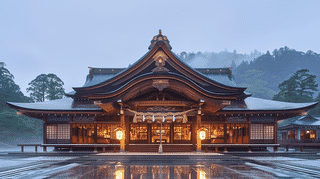
Izumo Taisha is Japan's heavyweight shrine for matchmaking prayers—couples, job hunters, anyone seeking good connections flock here. After you've tossed your coin, clapped twice (yes, it's four claps here, not two), and made your wish, your stomach starts rumbling. The monzen-machi (shrine approach street) has dozens of soba shops, most within a 3–8 minute walk from the main hall. Locals have eaten this dark, coarse-ground buckwheat noodle for centuries, and the ritual is simple: stack of round boxes, cold noodles, pour your own broth, done in 15 minutes. No fuss, no pretense, just honest Shimane flavor.
The Warigo Soba Ritual: How to Eat
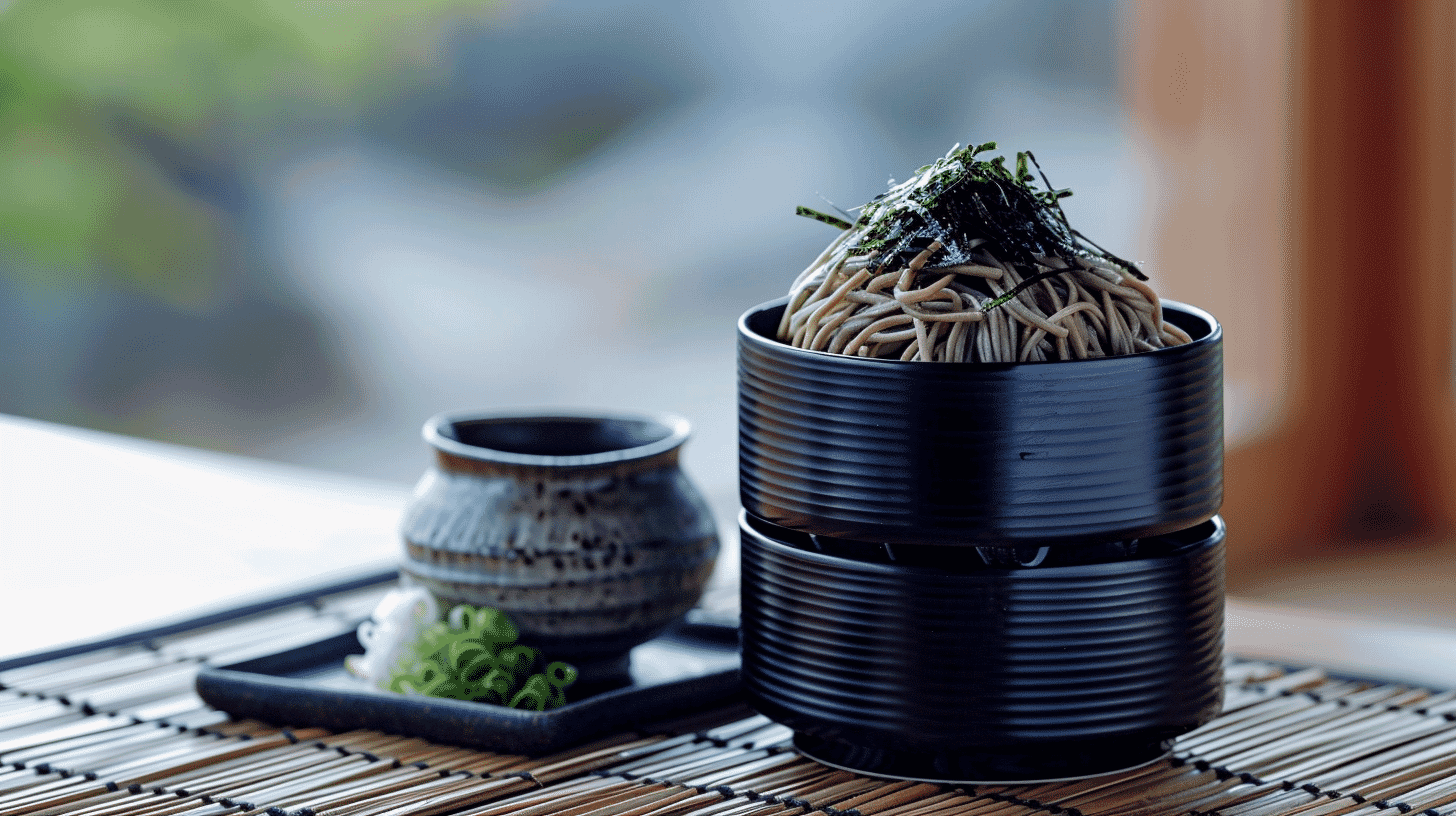
What you'll see: Three stacked circular lacquer containers (warigo), each holding a nest of dark soba. On the side: a small pitcher of dashi-soy broth, grated daikon radish, chopped green onion, nori seaweed, sometimes wasabi or tororo (grated yam).
Step-by-step:
- Top box first. Add condiments (I go heavy on green onion, light on wasabi).
- Pour broth. Not too much—about 1/3 of the box depth. You can always add more.
- Slurp. The noodles are thicker and chewier than Tokyo-style soba. Enjoy the nutty, earthy grain flavor.
- Cascade down. When the top box is empty, pour the remaining broth into the second box, add fresh condiments, repeat. Then move to the third.
- Leftover broth? Drink it straight or ask for soba-yu (hot noodle water) to dilute it—some shops offer this automatically.
The "warigo" style dates back to outdoor banquets where stacked boxes were easy to carry. Today it's Izumo's signature, and locals judge a shop by how cleanly the noodles separate and how balanced the broth is.
Budget, Queue, and Logistics
Budget: ¥900–1,500 per person. Most shops offer a 3-tier set (三段, sandan) around ¥1,000, plus tempura or zenzai (sweet red-bean soup) if you want extras.
Queue: Weekday lunchtimes = 10–20 minute wait. Weekends/holidays near the shrine = 30–60 minutes at famous spots. Pro tip: Walk 2–3 blocks away from the main torii gate—smaller shops have the same quality and zero wait.
Timing: Soba shops open 11:00–11:30, last order around 14:30–15:00 (some close between lunch and dinner). After 13:30 queues drop significantly.
English support: Limited. Most shops have photo menus or plastic models. Point and smile works. "Warigo soba" (割子そば) is universally understood. If you're vegetarian, ask "Niku nashi, dashi wa katsuo desu ka?" (no meat, but the broth has bonito)—most Izumo soba broths are fish-based, not vegetarian.
Payment: Many small shops are cash only. Convenience stores with ATMs are near the shrine parking lot.
Recommended 90-Minute Route
11:00 – Arrive at Izumo Taisha main hall (本殿). Do your four claps, buy an omamori (matchmaking charm, ¥1,000).
11:20 – Walk toward the monzen-machi soba zone (follow the pine tree avenue exit).
11:25 – Enter a soba shop. Order warigo soba + tempura set if hungry.
11:40 – Eat. Savor. Photograph the stacked boxes (photos are fine in the dining area—just not in the shrine's main worship hall earlier).
12:00 – Finish, pay, exit. Browse souvenir shops for dried soba noodles or local sake if you want.
12:30 – Head back to Izumo Taisha-mae Station or continue to Hinomisaki Cape (20 min by bus).
Plan B: If every soba shop is packed, walk 10 minutes to the east side of the shrine precinct—there's a quieter cluster of eateries, including udon and rice bowl spots.
What Makes Izumo Soba Different?
Most soba in Japan uses polished buckwheat flour (white, refined). Izumo soba uses hikigurumi (挽きぐるみ)—whole-grain buckwheat including the husk. Result: darker color, rougher texture, stronger flavor. It's not as elegant as Edo-style soba, but it's heartier and more filling. The broth is typically sweeter and less salty than Tokyo tsuyu, made with local soy sauce and dashi from Shimane's Sea of Japan kelp and bonito.
You'll also see kamaage soba (釜揚げそば) on menus—hot noodles served in the boiling water, eaten with a thicker dipping sauce. It's a winter favorite, but warigo is the year-round icon.
Etiquette and What NOT to Do
DO:
- Slurp loudly. It's normal and shows you're enjoying the meal.
- Drink the broth at the end if you like.
- Take photos of your food.
DON'T:
- Touch shrine offerings, ropes (shimenawa), or sacred objects at Izumo Taisha without permission.
- Take photos inside the main worship hall (外拝殿 is usually OK, but the inner sanctum is off-limits).
- Walk into staff/priest areas marked 関係者以外立入禁止 ("no entry").
- Make jokes about the matchmaking deity—locals take it seriously.
Note on the shrine: Izumo Taisha's unique four-clap rule (instead of the usual two) is a local tradition. Don't stress if you forgot—nobody will scold you. But if you want to blend in, watch other visitors and copy their rhythm.
My Take: Why This Meal Works
As a student who's zigzagged through Japan's shrine-and-food combos, Izumo's setup is one of the most seamless. The soba shops are literally right there—you don't need to navigate confusing bus schedules or walk 20 minutes to find lunch. The food is unpretentious, filling, and priced for humans, not tourists. And because the noodles are served cold and meant to be eaten quickly, you won't feel rushed even if there's a queue behind you.
The real charm, though, is the contrast. Inside the shrine, everything is solemn, ancient, massive (that shimenawa rope is enormous). Then you step into a soba shop, sit on a worn wooden bench, stack your three lacquer boxes, and suddenly it's just you, the noodles, and the simple rhythm of pouring and slurping. Shimane doesn't try to be flashy, and that's exactly why it sticks with you.
FAQ
Q1: Is Izumo soba suitable for vegetarians/vegans?
A: Most Izumo soba broths use katsuobushi (bonito flakes) and sometimes niboshi (dried sardines), so they're not vegetarian. A few shops offer vegetable-only broth—ask in advance. The noodles themselves are just buckwheat and water, so if you bring your own soy sauce or eat them plain, that works. Vegan options are rare.
Q2: Can I buy take-out soba and eat it at the shrine?
A: Eating inside the shrine grounds is generally discouraged (not formally banned, but considered impolite). If you want a picnic, the riverside park near Inasa Beach (10 min by car) is a better spot. Most soba shops don't do take-out anyway—warigo soba is meant to be eaten fresh.
Q3: How do I get to Izumo Taisha from major cities?
A: From Osaka/Kyoto, take the Sunrise Izumo overnight train (sleeper, about ¥15,000) or fly to Izumo Airport (50 min from Osaka Itami). From the airport, take a bus (30 min, ¥890) to Izumo Taisha. From Matsue (Shimane's capital), it's 40 min by Ichibata Railway to Izumo Taisha-mae Station.
Q4: Is there an English guide or tour for Izumo Taisha?
A: The shrine has pamphlets in English, and some volunteer guides offer free tours on weekends (check the official website). For soba shops, English is limited, but photo menus and gestures work fine. If you want a structured tour, Shimane's tourism board runs half-day packages that include shrine visit + soba lunch.
Q5: What else should I do in Izumo besides the shrine and soba?
A: Hinomisaki Lighthouse (20 min by bus, dramatic coastal cliffs), Shimane Museum of Ancient Izumo (artifacts from Japan's mythological age, next to the shrine), or Tamatsukuri Onsen (hot spring town, 30 min by train)—good for an overnight stay.
References
- Izumo Taisha Official Site (English)
- Shimane Tourism (Izumo Soba Guide)
- Ichibata Railway Timetable
- Izumo Soba Association (Japanese only)
Bottom line: Izumo Taisha + warigo soba is a 90-minute cultural package that delivers substance over spectacle. Good for the soul, easy on the wallet, zero pretension. If you want to understand why locals say "Izumo feeds you, not just your camera roll," this is it.