
Registered Tangible Cultural Properties of Tochigi
栃 木 県 の 登 録 有 形 文 化 財Tochigi · Registered Tangible Cultural Properties
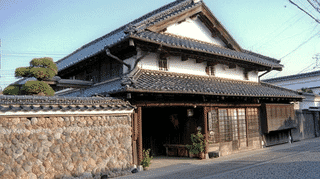
Discover Yuden Miso Higashigura, a registered tangible cultural property in Tochigi City. Experience authentic Meiji-era warehouse architecture, traditional miso cuisine, and craft beer in Japan's charming 'Little Edo' district.
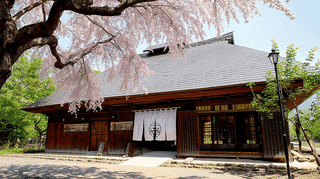
Visit the Former Yamanaka Family Residence (Yoakemae), a Nationally Registered Tangible Cultural Property in Shimotsuke City, Tochigi. Experience authentic Edo-period farmhouse architecture, enjoy artisan coffee at a heritage café, and explore Tenpyo no Oka Park's 500 cherry trees. A perfect off-the-beaten-path Japan destination.

Built in 1908 with a donation from the British Miners' Mission, Ashio Christian Church is the only surviving early church in what was once Japan's leading copper-mining town. Registered as a National Tangible Cultural Property in 2014, this small wooden chapel preserves the spiritual life of the miners who powered Japan's industrial rise.
Located in Nikko City, Tochigi Prefecture, the Ashio Copper Mine Telephone Museum (former Ashio Copper Mine Telephone Exchange) preserves the legacy of Japan's first private telephone network, installed in 1886. This single-story wooden building, built in 1951 to house the relocated Mato Exchange, is the only surviving telephone exchange of the Ashio Copper Mine and was registered as a National Tangible Cultural Property in 2016. Manual switchboards and historic telephones on display offer a window into Japan's modern communications history.
Built in 1885 by a noted local storehouse builder, this three-storey earthen-walled kura packs stone footings and fire doors into 41 square metres in Tochigi.
Built in 1924 behind the family shop in Kauemon-cho, Tochigi City, this two-storey house glazes the whole south face of its upper verandah. Registered in 2004.
This 1924 shop on the old Nikko Reiheishi road in Tochigi City raises a tuff-stone gable above its roofline as a fire wall, an udatsu in stone. Registered 2004.
Oldest building on this Tochigi City merchant plot, an 1895 storehouse divided into a document store and a goods store, its carpenter named in ink. Registered 2004.
Ashikaga's Oya-stone mill of 1903, with arched windows and a double sawtooth roof, is the sole survivor of six model silk-throwing mills built under Meiji policy.
Built around 1907, the back gate of the Iizuka new residence is timber with a pantile gabled roof. Though at the rear, it is large and finely built.
Built of granite around 1907, the Iizuka new residence front gate has tile-roofed board fences on stone bases. Its tall single-stone posts signal the family's rank.
The Shintaku main house of the Iizuka residence in Bato, built around 1907, shows an early modern feel in its orderly plan and refined reception rooms.
The courtyard gate of the Iizuka new residence, built around 1908, links storehouse and main house, enclosing an inner garden behind openwork lattice fences.
A two-story dozo built in 1908 behind the Iizuka main house, this storehouse was plastered even over its timber for fire safety. It is now a loft-style guest room.
From the late Edo period, the Iizuka main residence front gate is the compound's oldest structure. The main house is gone, but this large munamon gate survives.
Discover Otani Kobikan, a beautifully preserved Meiji-period (1897) wooden photo studio in Kanuma, Tochigi. Built by a young entrepreneur inspired by Kobe's foreign settlement architecture, this Nationally Registered Tangible Cultural Property features a distinctive slant studio with a glass skylight and decorative gable bearing the character for 'beauty.'
Built in 1937 and registered in 2004, Orihime Shrine Kagura Hall in Ashikaga is the one all-timber building in a precinct of concrete. Free and open at all hours.
The Orihime Shrine Hall, located on the slopes of Mount Orihime in Ashikaga City, Tochigi Prefecture, is a reinforced concrete shrine building completed in 1937 and registered as a Tangible Cultural Property of Japan in 2004. Designed by architect Kobayashi Fukutaro, the vermilion-lacquered shrine is said to be modeled after the Phoenix Hall of Byodo-in in Uji, earning it the poetic name 'The Dragon Palace on Land.' As the guardian shrine of Ashikaga's 1,200-year textile heritage, it is also celebrated as a sacred place for lovers, a Japan Night View Heritage site, and one of Japan's Hundred Great Moon-Viewing Spots.
Built in 1937 and registered in 2004, Orihime Shrine Office in Ashikaga reads as one storey from the east and two from the south, its basement cut into the cliff.
Orihime Shrine's purification pavilion in Ashikaga covers just 1.4 square metres, yet repeats the concrete-and-timber method of its 1937 main hall. Registered 2004.
More from Tochigi
Tochigi’s registered properties across designations, with featured heritage and travel notes.
The complete kokuhō catalogue — browse by prefecture, period, and category.
Nationwide jūyō bunkazai — architecture, sculpture, painting, crafts, and documents.