
Toshodai-ji Worship Hall: A Long Building Between Living and Prayer
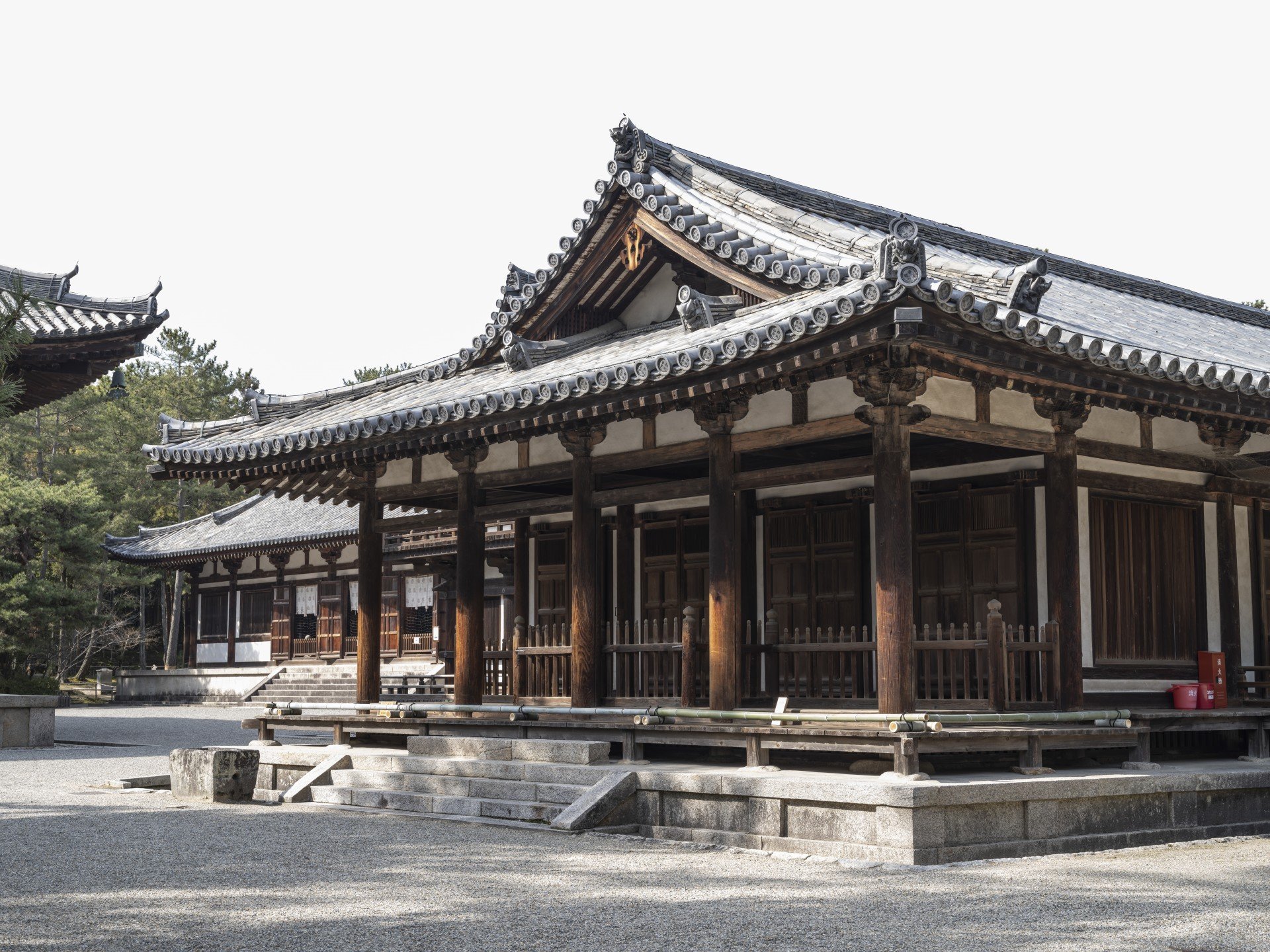
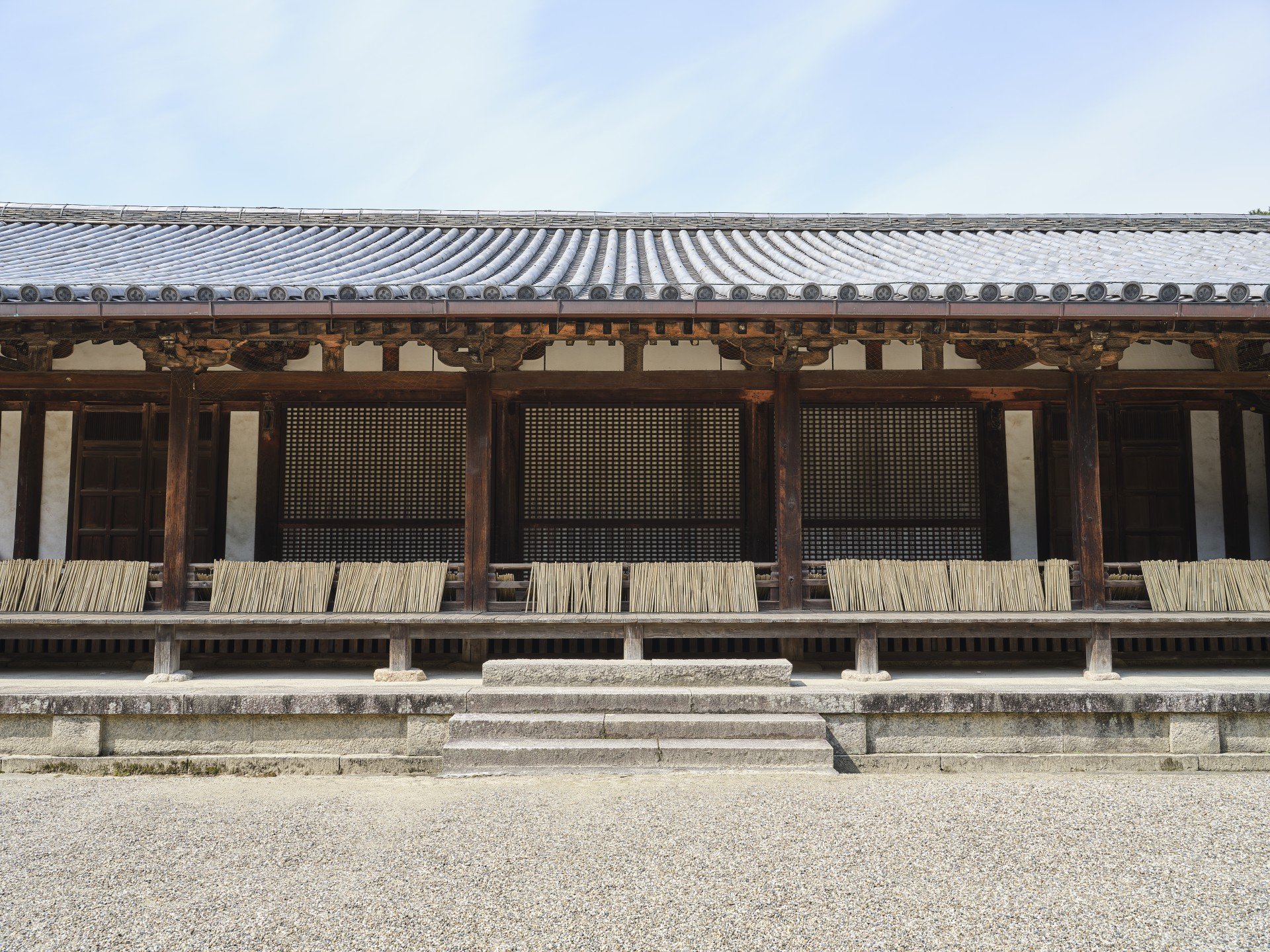
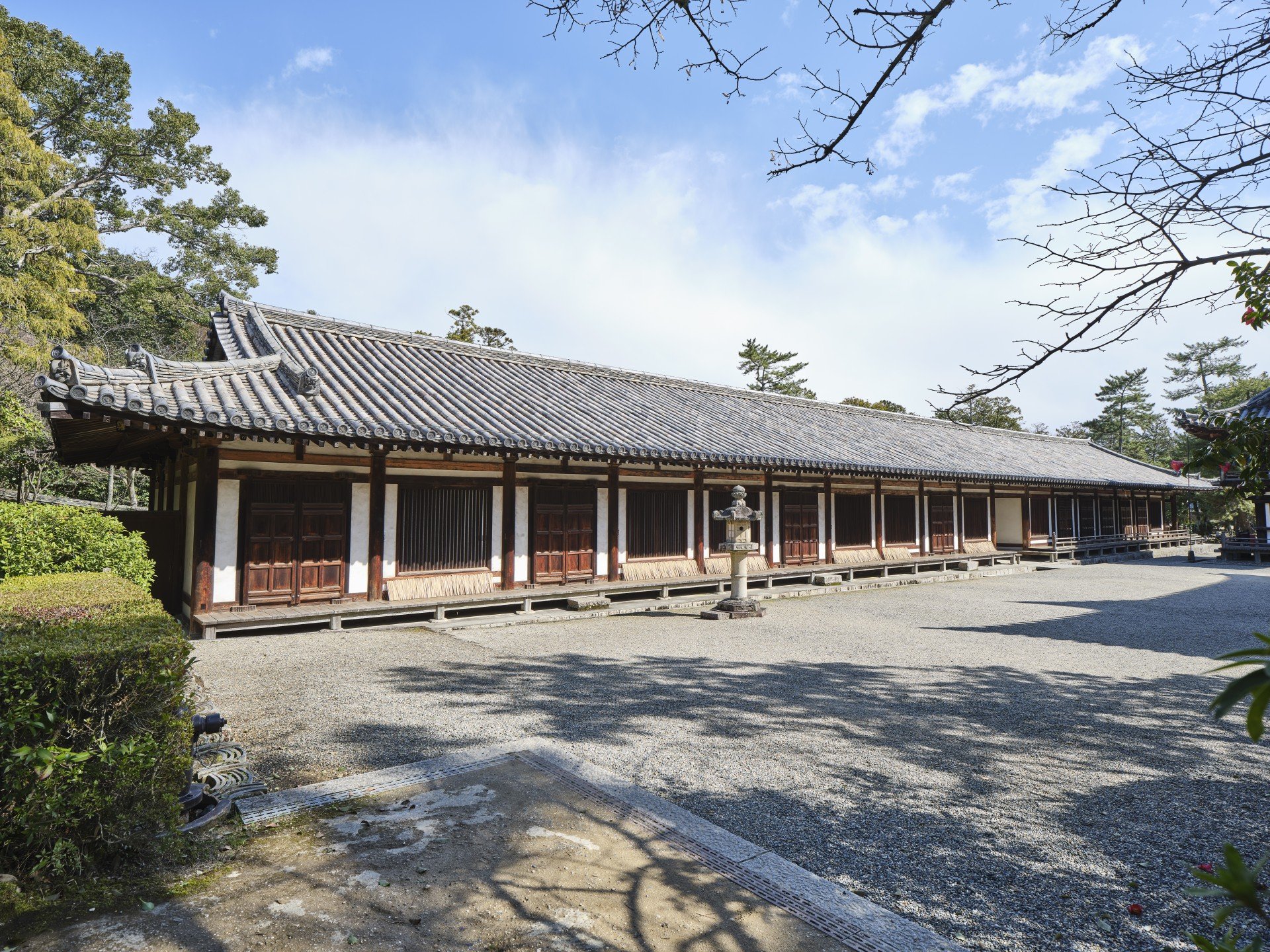
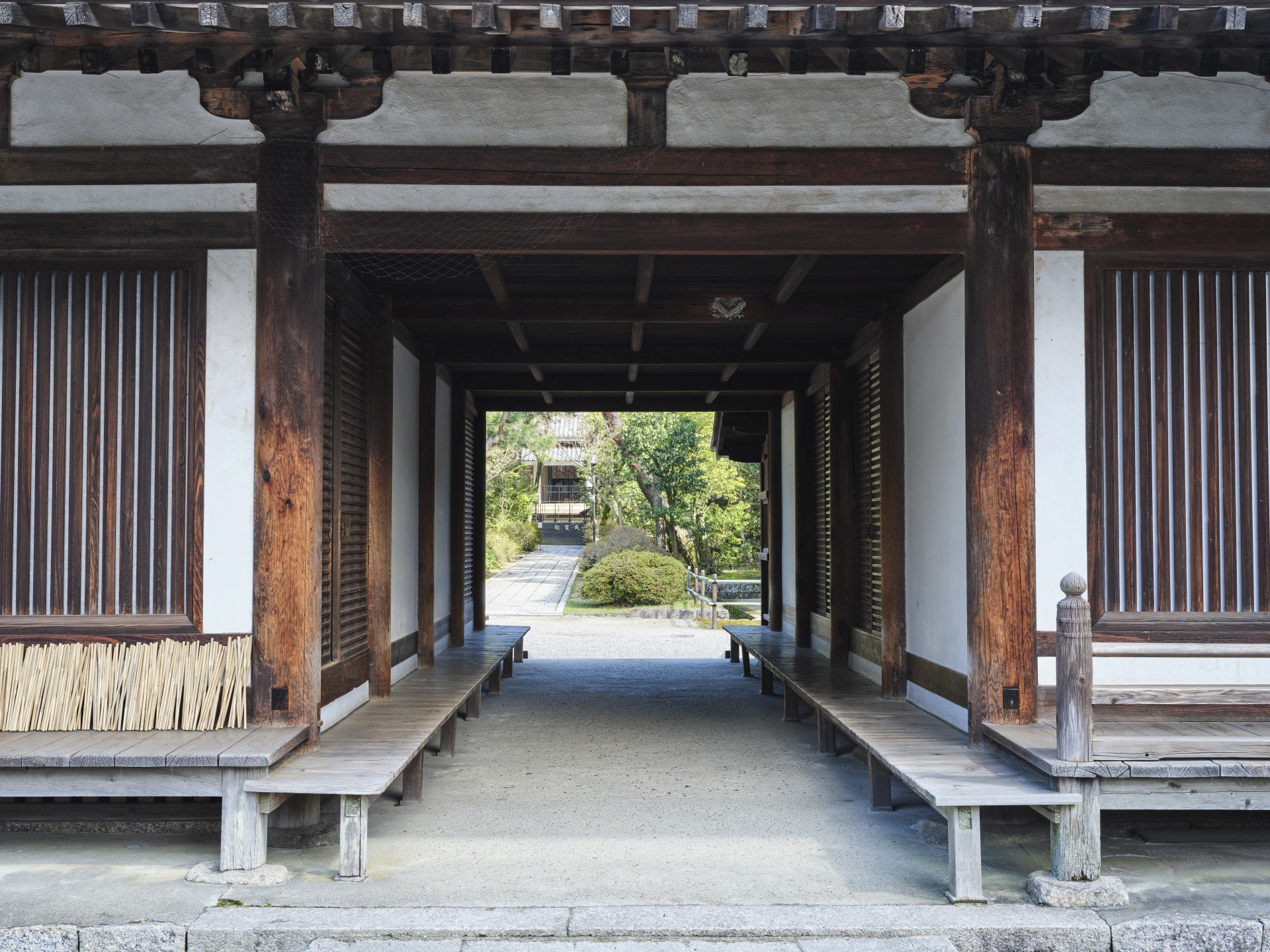
East of the Drum Tower runs a single narrow building nineteen bays long, low and level beneath a hipped-and-gable roof. This is the Worship Hall, or Raido, and it is the one structure in this group that is an Important Cultural Property rather than a National Treasure. Its length is the first thing a visitor notices, and its plan explains the reason: it was made to hold two functions in one roof.
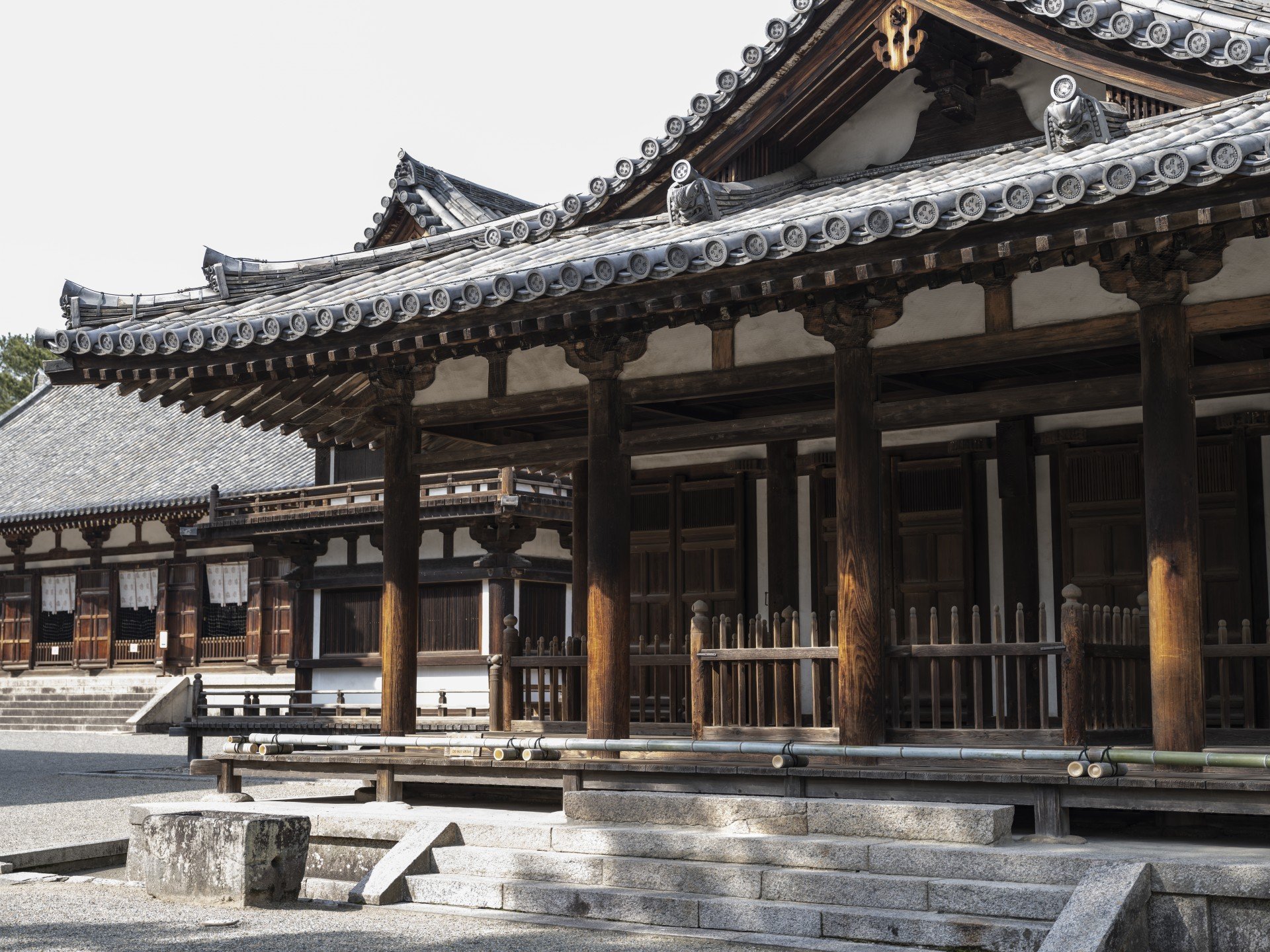
The southern eight bays form the worship hall proper, a Buddhist chapel. The northern ten bays are the Higashimuro, an east dormitory where monks once lived. Between them, a single bay is left as an earthen passage called a medo. One long building thus joined the daily life of the community to its devotions.
From Dormitory to Worship Hall
The building's dates hold a small puzzle worth untangling. The Agency for Cultural Affairs records its year as 1202, in the early Kamakura period, when the structure was first raised as a monks' dormitory. Most temple and reference sources instead emphasise 1283, the year it was rebuilt into the form seen today. Both dates are correct, and they describe different moments: an original dormitory of 1202, remodelled in 1283 into the combined dormitory and chapel that survives.
The name Raido, worship hall, points across the passage to its neighbour. The chapel exists so that people could face and revere the Buddha relics enshrined in the adjacent Drum Tower. Living quarters and a place of prayer, set end to end, show how a working monastery organised its space in the medieval period.
A Hall Still in Use
The Worship Hall is not a museum piece. It remains the setting for the Shaka Nenbutsu-e, a Buddhist observance begun by Kakujo, the monk who revived the temple's discipline in the thirteenth century. The rite is held each year in late October, and for those three days the hall opens to reveal its enshrined images: a standing Shaka (Sakyamuni) Buddha in the Seiryo-ji style, itself an Important Cultural Property made in 1258, and a relic stupa used in daily offerings.
For the rest of the year the long facade is best appreciated from outside, read as a single sweeping line against the halls around it. Where the Golden Hall impresses by mass and the Drum Tower by height, the Worship Hall works by extension, a horizontal that ties the eastern side of the precinct together. Standing at its southern end and looking north along the eaves gives a sense of the ordered, unshowy life the building was built to serve.
Q&A
- Is the Worship Hall a National Treasure?
- No. It is designated an Important Cultural Property, a rank below National Treasure. The temple's Golden Hall, Lecture Hall, Drum Tower, Treasure House, and Sutra Repository are National Treasures; the Worship Hall is not.
- Why is one building so long?
- It combines two functions. The southern eight bays are a worship chapel, the northern ten bays a monks' dormitory (Higashimuro), with an earthen passage called a medo between them.
- Was it built in 1202 or 1283?
- Both dates apply. It was first raised as a dormitory in 1202, then rebuilt in 1283 into the combined form that survives today.
- What does the name Raido mean?
- Raido means worship hall. It refers to worshipping the Buddha relics enshrined in the neighbouring Drum Tower, which the chapel faces.
- When can I see inside?
- The hall opens during the Shaka Nenbutsu-e ceremony held in late October (around 21 to 23 October), when the enshrined Shaka Buddha and relic stupa are shown. At other times it is viewed from outside.
Basic Information
| Name | Toshodai-ji Worship Hall (Raido) |
|---|---|
| Location | Gojo-cho, Nara City, Nara Prefecture |
| Designation | Important Cultural Property (building), designated 18 February 1904 |
| Count | One building |
| Period | Early Kamakura period; first built 1202 (Kennin 2), rebuilt 1283 (Koan 6) |
| Structure | Nineteen bays by four bays, single storey, hipped-and-gable roof (irimoya-zukuri), hongawara tile |
| Owner | Toshodai-ji |
| Access | Part of the World Heritage site "Historic Monuments of Ancient Nara"; interior opened during the late-October Shaka Nenbutsu-e |
References
- Toshodai-ji official site — Worship Hall
- https://toshodaiji.jp/about_raidoh.html
- Agency for Cultural Affairs — National Cultural Properties Database
- https://kunishitei.bunka.go.jp/heritage/detail/102/2482
- Cultural Heritage Online — Toshodai-ji Worship Hall
- https://online.bunka.go.jp/heritages/detail/483212
- Nara Prefecture — Cultural Resources: Toshodai-ji
- https://www.pref.nara.lg.jp/ikasu-nara/bunkashigen/main00077.html
Last verified: 2026.07.11