
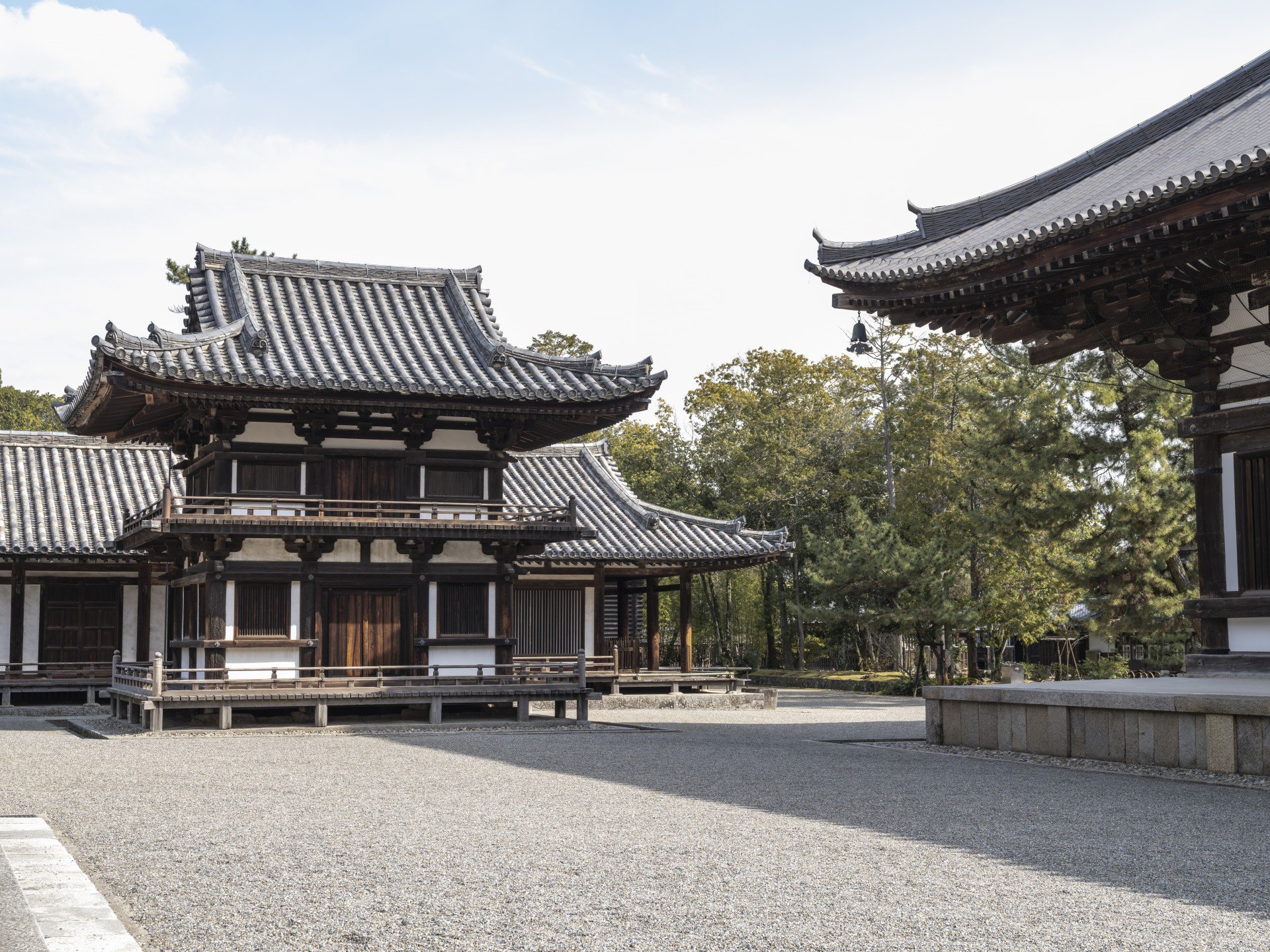
Toshodai-ji Drum Tower: The Relic Hall and Its Living Festival
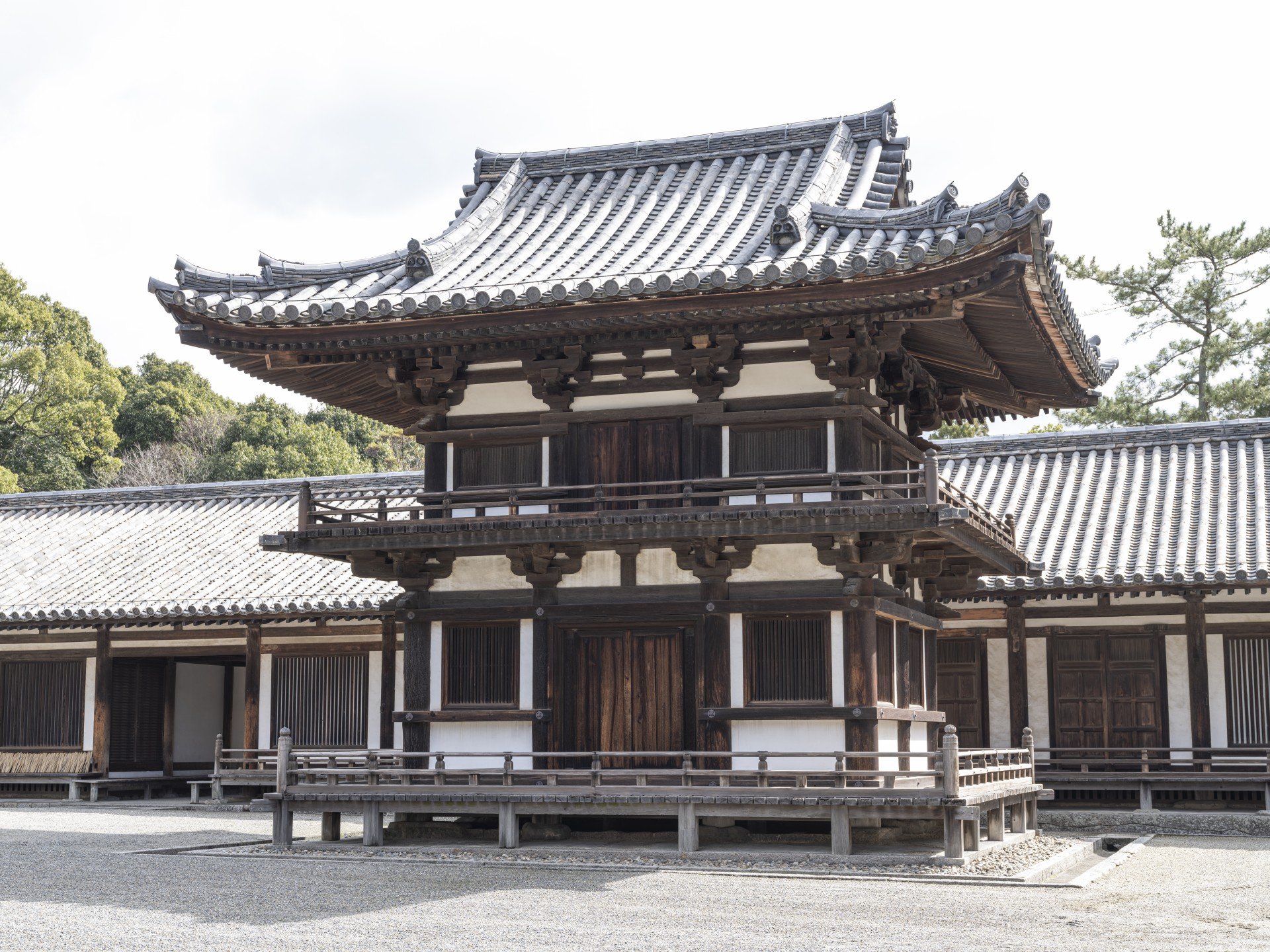
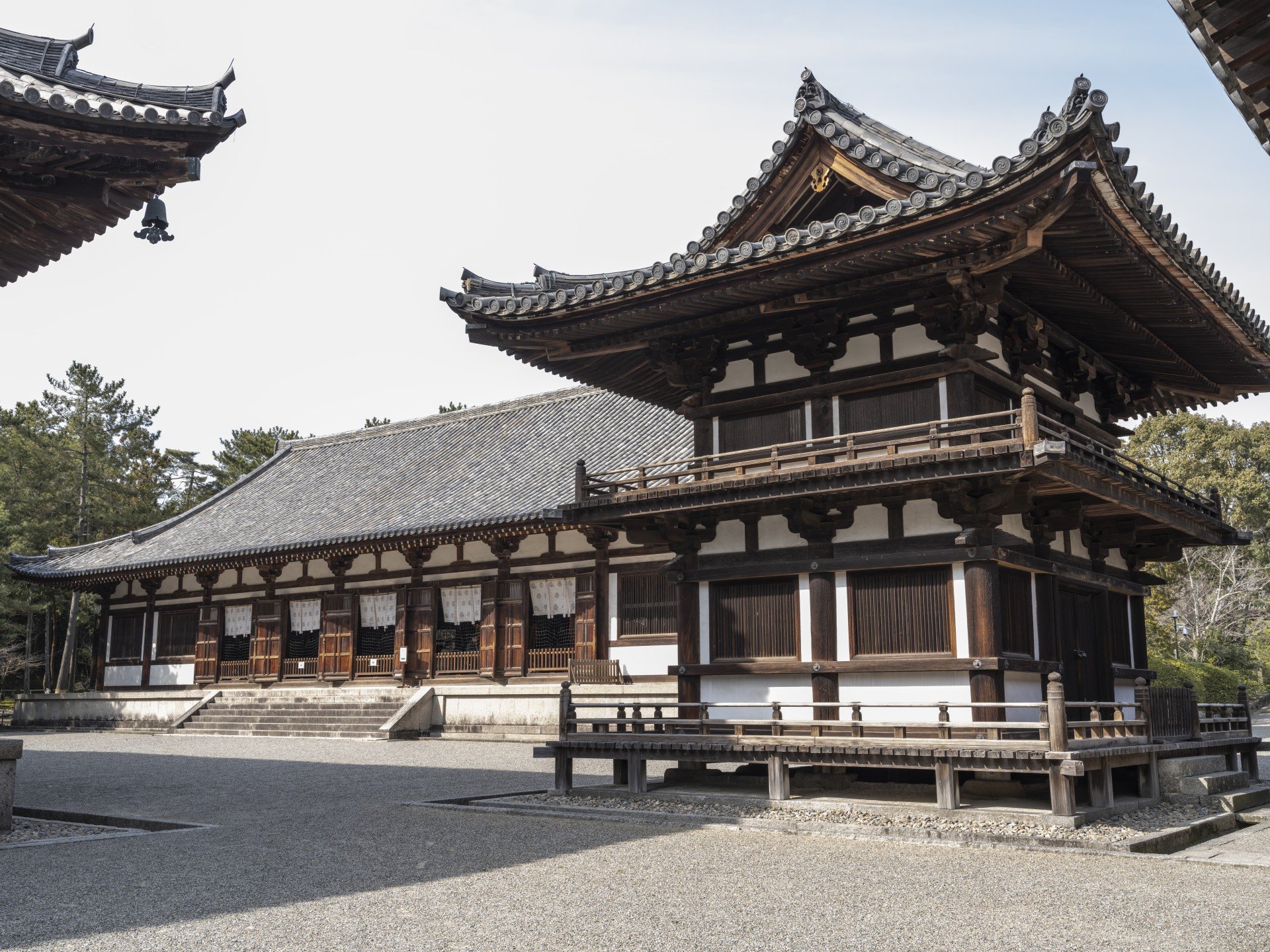
Between the Golden Hall and the long east range stands a compact two-storey tower with a hipped-and-gable roof. It is called the Drum Tower, but the name understates what it holds. The people of the temple also call it the Shariden, the relic hall, because it enshrines relics of the Buddha that Ganjin is said to have carried from China. Those relics rest inside a National Treasure reliquary, the Golden Turtle Stupa, kept within a cabinet on the upper floor.
The tower is the youngest of the temple's National Treasure buildings. It was raised in 1240, in the early Kamakura period, some five centuries after the temple's founding. Its date is fixed, unusually, to a single year rather than a broad estimate.
A Small Building of High Rank
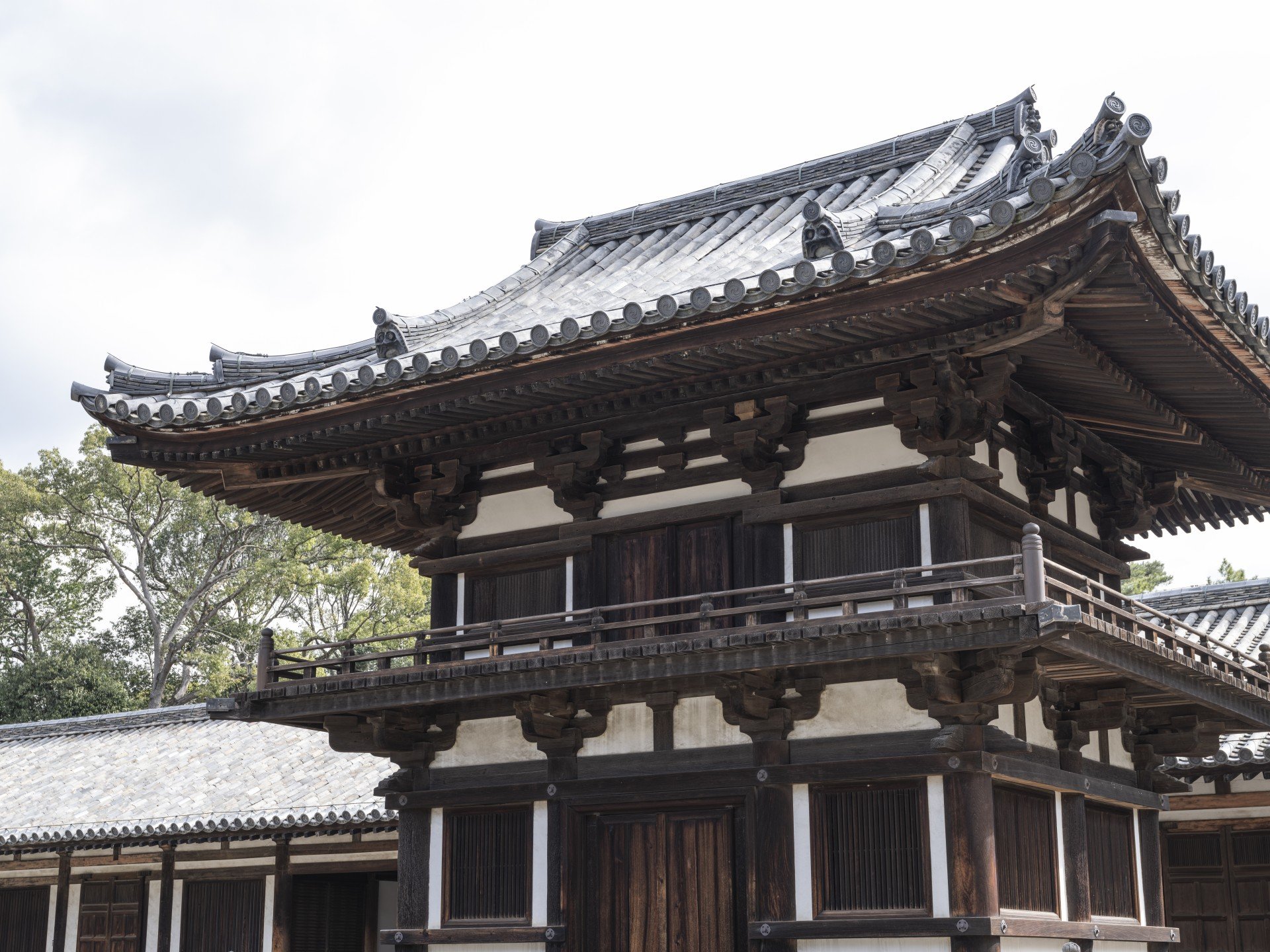
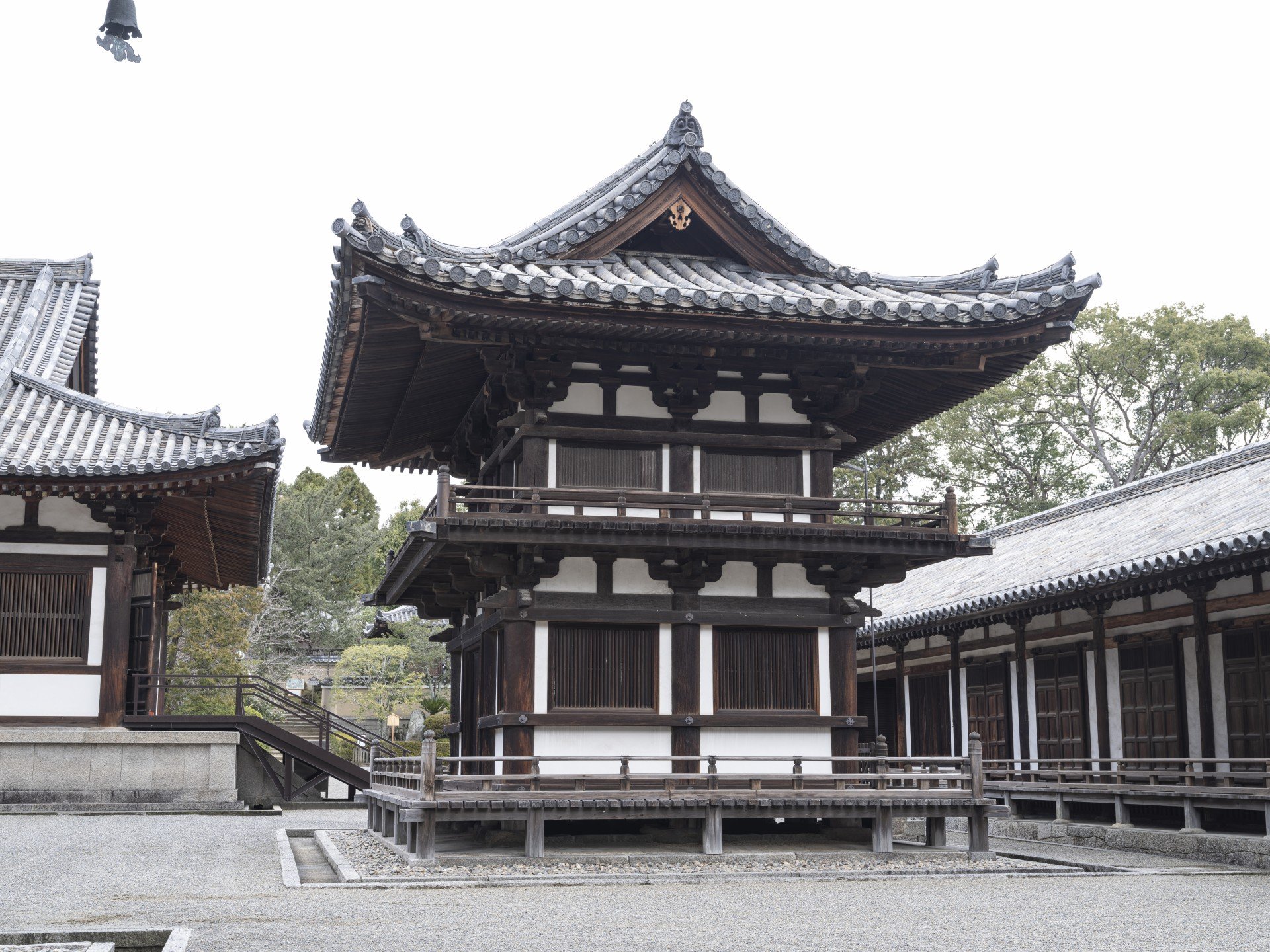
In plan the tower is modest: three bays by two, built up as a two-storey structure with balustraded galleries and a tiled hipped-and-gable roof. What raises it above ordinary utility is its rank as a National Treasure, granted in 1953, and the rarity of a two-storey Kamakura tower of this kind. Some scholars have suggested that the building may originally have served as a sutra repository before it took on its role as a relic hall, which would fit the way medieval temples reassigned their structures as needs changed.
The relics give the tower its meaning. In Buddhist practice, physical remains of the Buddha are the highest object of veneration, and a building raised to shelter them was treated with corresponding care. The adjacent Worship Hall to the east exists precisely so that people could face and revere what the Drum Tower contains.
The Fan-Scattering Festival
Once a year the quiet tower becomes the centre of one of Nara's most distinctive rites. On 19 May, the temple holds the Uchiwamaki, the fan-scattering ceremony, when heart-shaped fans are thrown from the Drum Tower to the crowd gathered below. The custom is tied to the memory of Kakujo, the medieval monk who revived the temple's discipline, and the fans are believed to bring protection from illness and misfortune. Visitors who come on that day see the building doing what it was built to do, at the heart of a ceremony that has continued for centuries.
For the rest of the year the tower is admired from outside rather than entered, its upper cabinet closed. Seen from the open ground before the Golden Hall, its vertical form provides a deliberate contrast to the broad horizontal halls around it, a reminder that a temple precinct was composed like a piece of music, with tall notes set against long ones.
Q&A
- Why is a relic hall called a Drum Tower?
- The building has long carried the name Drum Tower (Koro), but because it enshrines relics of the Buddha it is also known as the Shariden, or relic hall. Both names refer to the same structure.
- What are the relics kept inside?
- They are said to be relics of the Buddha brought to Japan by Ganjin, enshrined in the Golden Turtle Stupa, a reliquary designated a National Treasure, held in a cabinet on the upper floor.
- When is the fan-scattering festival?
- The Uchiwamaki is held on 19 May each year. Fans are thrown from the Drum Tower to the people below, a custom linked to the reviving monk Kakujo and thought to ward off illness.
- How old is the tower?
- It was built in 1240, in the early Kamakura period, which makes it the most recent of the temple's five National Treasure buildings.
- Can I go up inside it?
- The tower is normally viewed from the outside and the upper cabinet stays closed. The best time to see it in use is the fan-scattering ceremony on 19 May.
Basic Information
| Name | Toshodai-ji Drum Tower (Koro), also called the Relic Hall (Shariden) |
|---|---|
| Location | Gojo-cho, Nara City, Nara Prefecture |
| Designation | National Treasure (building); Important Cultural Property from 1900, raised to National Treasure on 14 November 1953 |
| Count | One building (attached items: 1 cabinet, 21 old materials) |
| Period | Early Kamakura period, 1240 (Ninji 1) |
| Structure | Three bays by two bays, two-storey tower, hipped-and-gable roof (irimoya-zukuri), hongawara tile |
| Owner | Toshodai-ji |
| Access | Part of the World Heritage site "Historic Monuments of Ancient Nara"; viewed from outside. Uchiwamaki festival on 19 May |
References
- Toshodai-ji official site — Drum Tower
- https://toshodaiji.jp/about_koroh.html
- Agency for Cultural Affairs — National Cultural Properties Database
- https://kunishitei.bunka.go.jp/heritage/detail/102/2479
- Nara City — World Heritage: Toshodai-ji
- https://www.city.nara.lg.jp/site/world-heritage/88527.html
- Nara Prefecture — Cultural Resources: Toshodai-ji
- https://www.pref.nara.lg.jp/ikasu-nara/bunkashigen/main00077.html
Last verified: 2026.07.11