
Toshodai-ji Lecture Hall: A Palace Building That Became a Temple
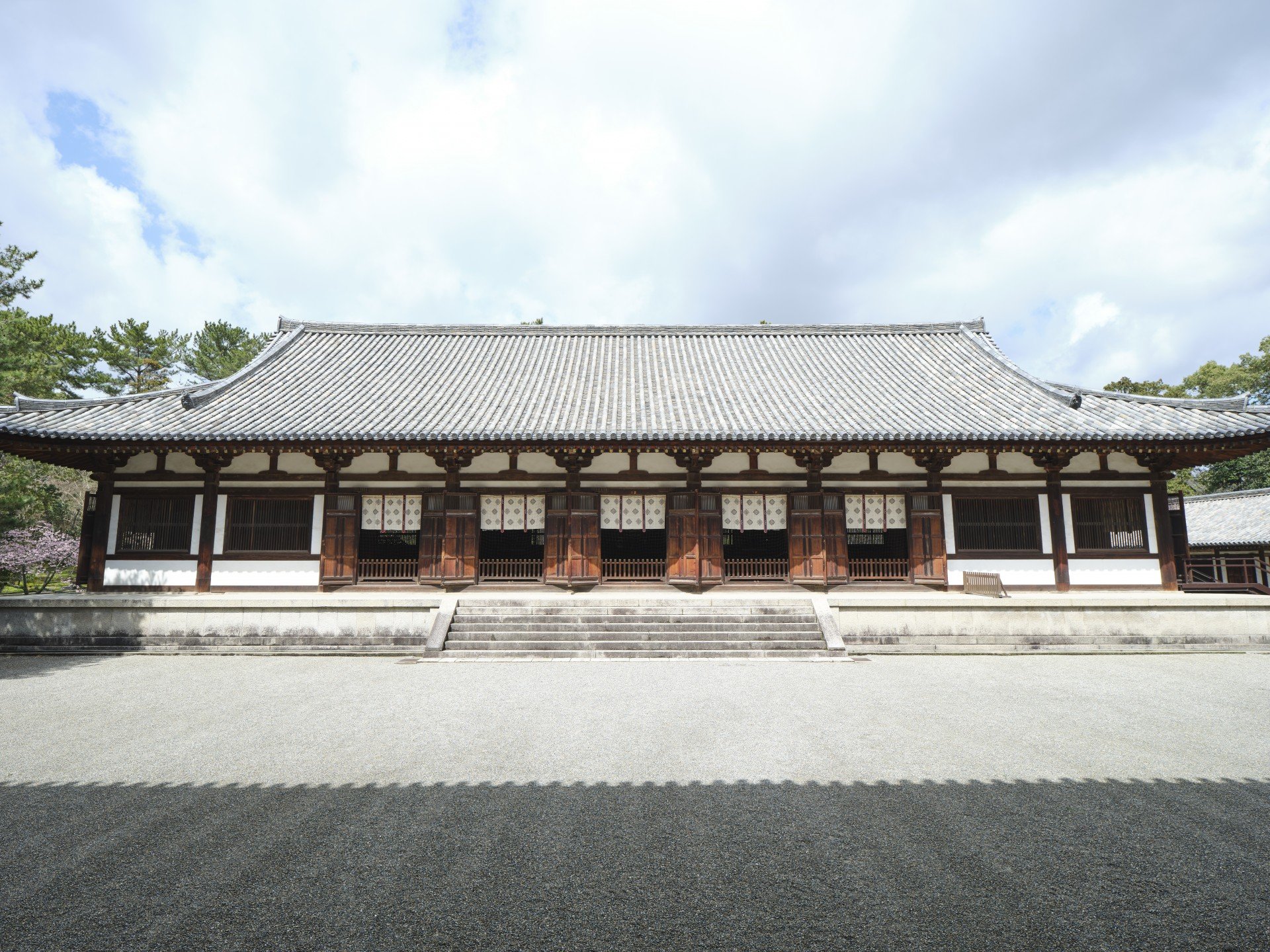
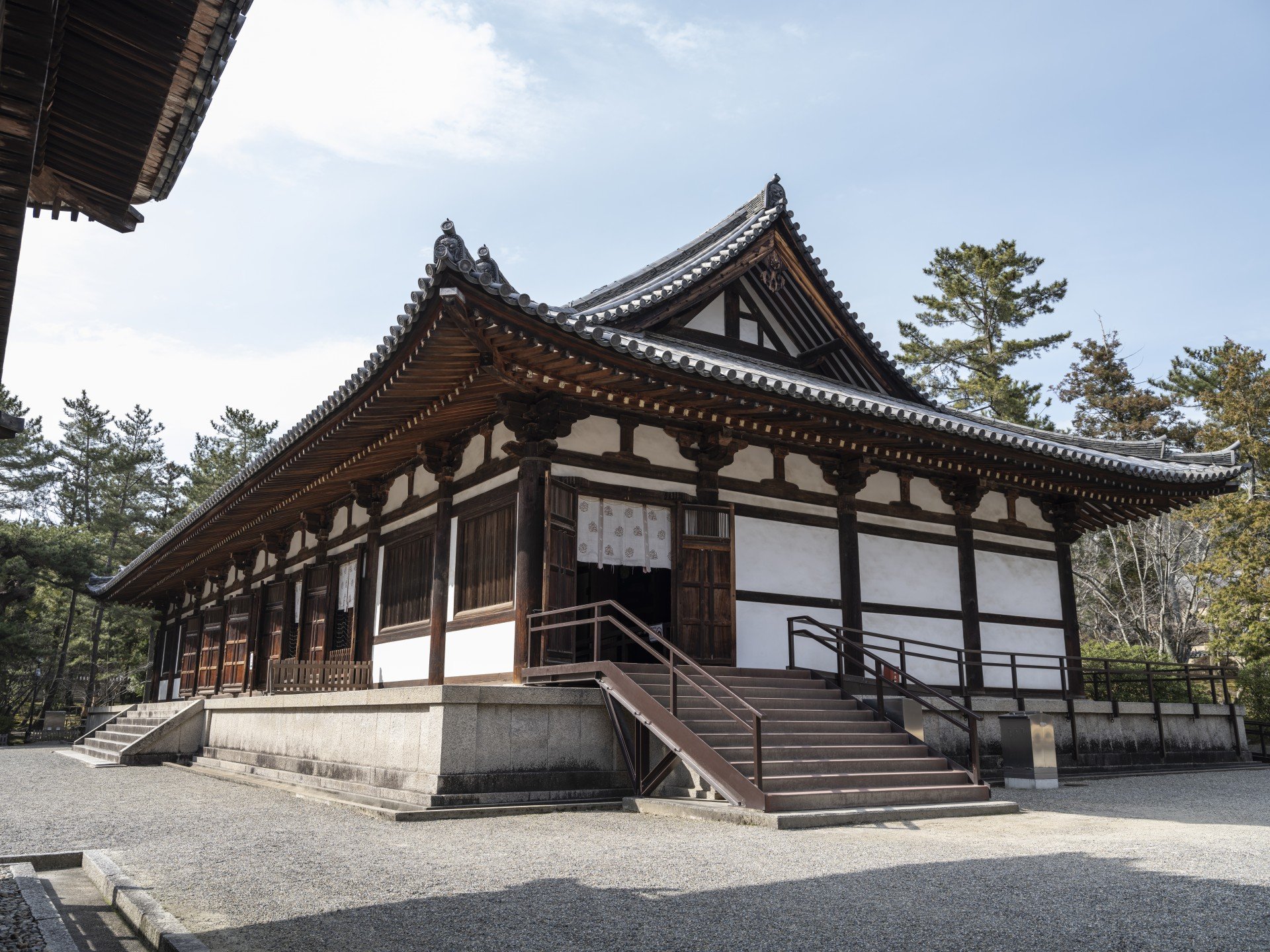
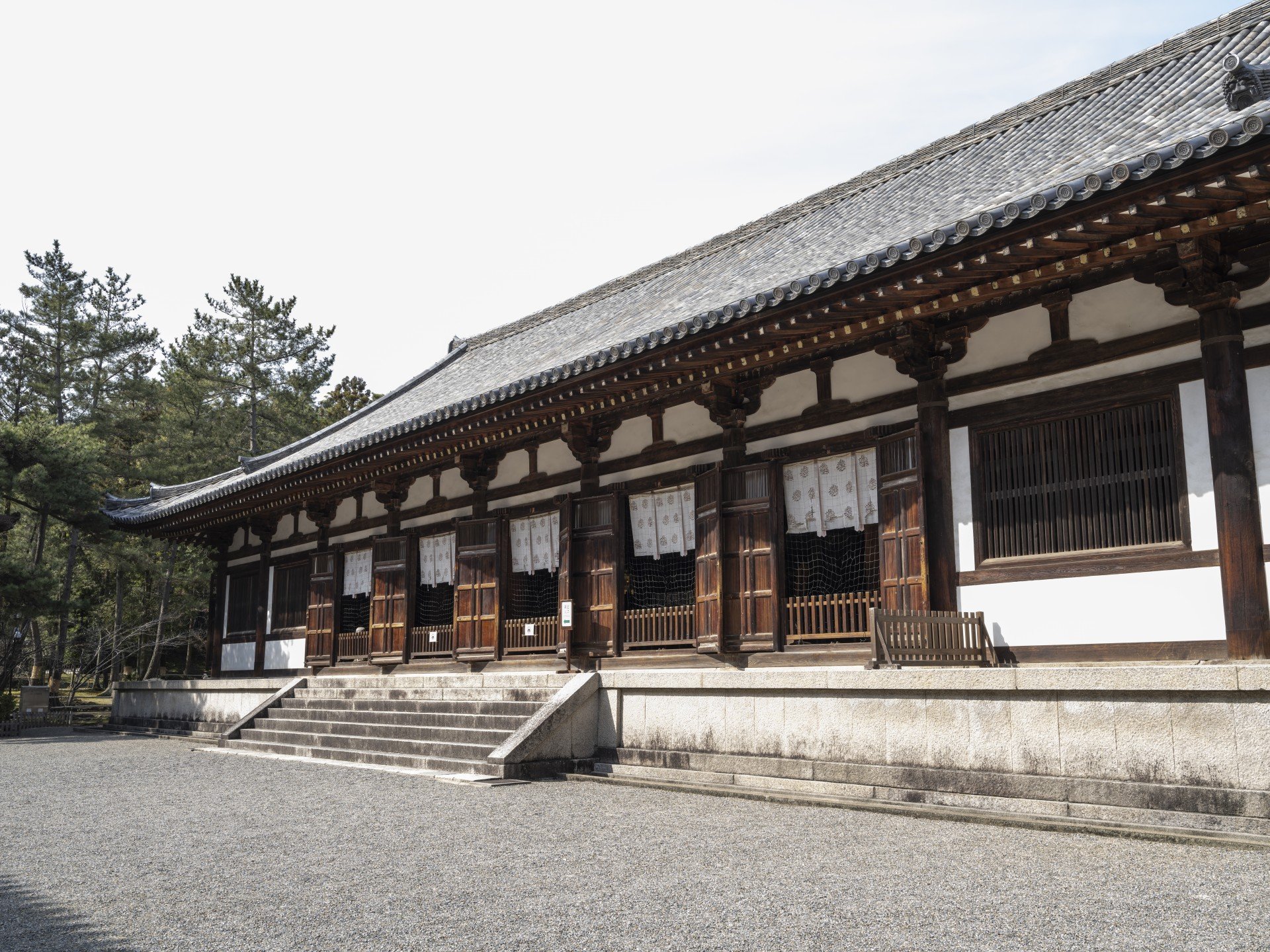
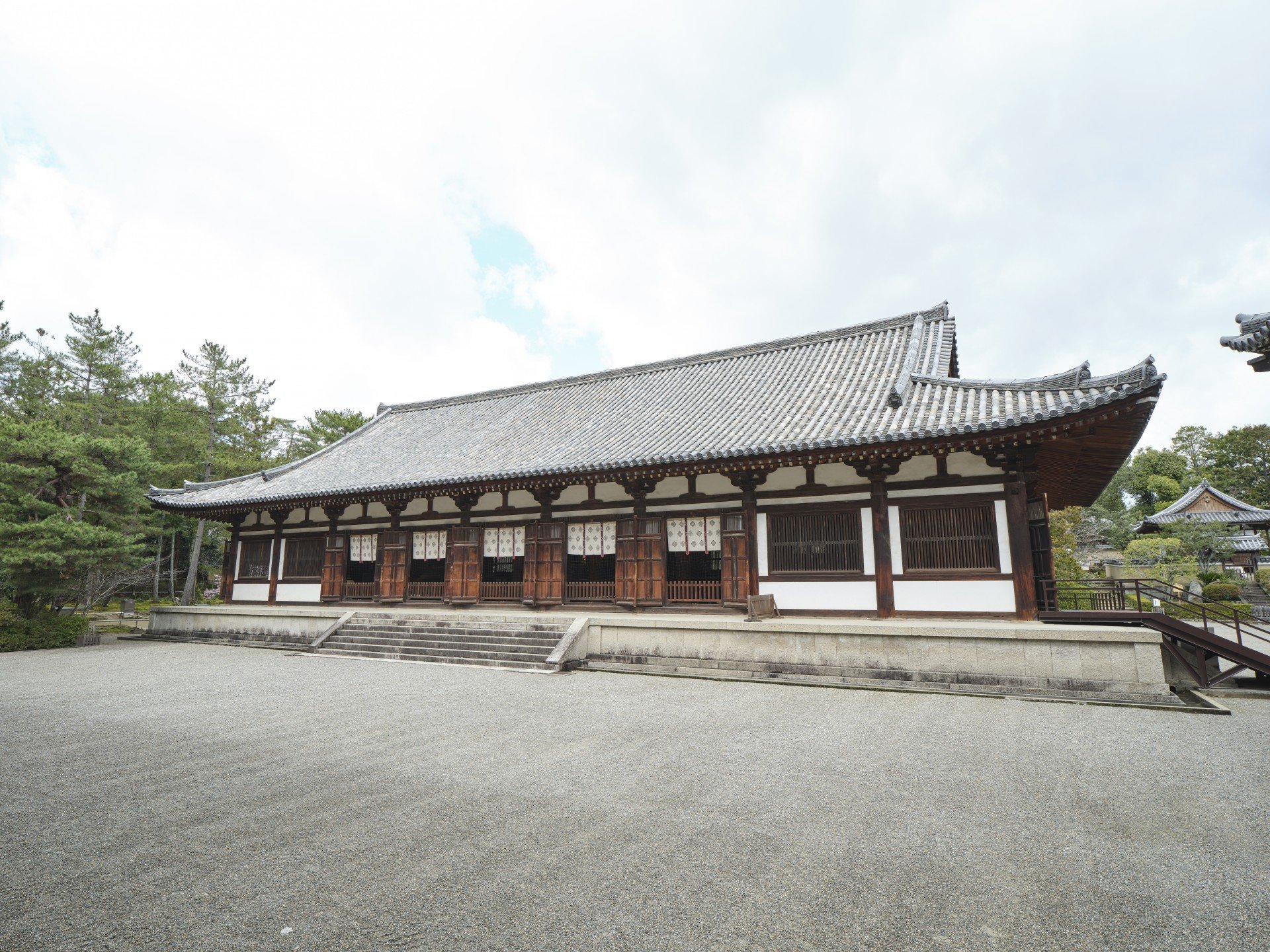
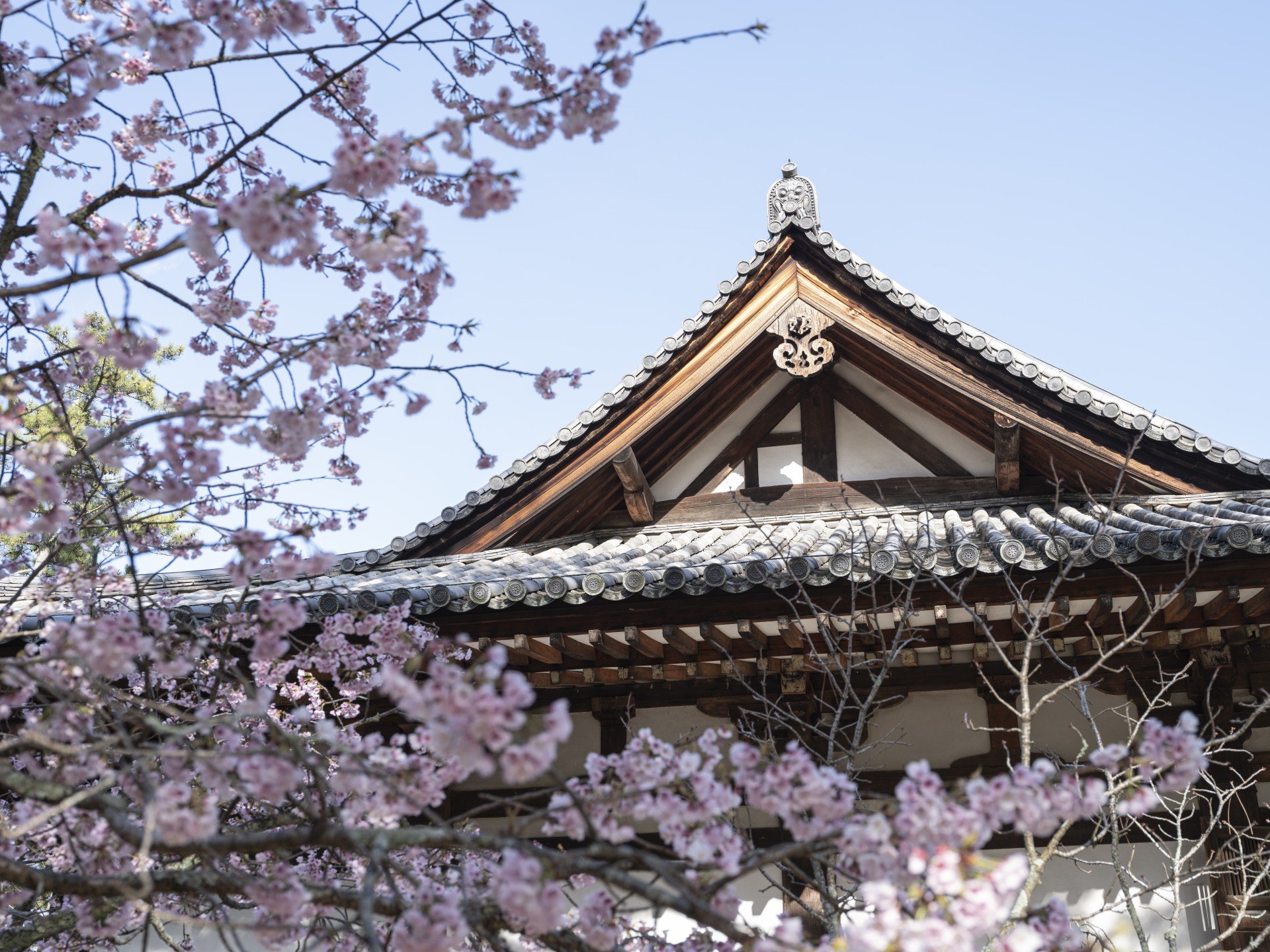
The Lecture Hall of Toshodai-ji stands directly behind the Golden Hall, long and low under a hipped-and-gabled roof. Its story is unlike that of any other surviving building in Japan, because it did not begin as a temple building at all. It was once part of the Heijo Palace, the seat of government in Nara, and it is the only piece of that palace still standing anywhere.
When Ganjin received the site for his temple in 759, the court granted him a hall from the palace precinct to serve as his place of instruction. The building, the East Choshuden, was dismantled and re-erected here around 760. Of everything the temple contains, this was the first structure raised, and it went up within the founder's own lifetime.
From Waiting Hall to Lecture Hall
Inside the palace, the Choshuden had a plain and practical purpose. Officials gathered and waited there before the ceremonies held in the adjoining administrative courtyard. Its original form suited that role: nine bays by four, with a gabled roof, an open front, and simple bracketing. Converting it into a Buddhist lecture hall meant rebuilding it for a new life. The roof was changed to the hipped-and-gable form, the bracketing was elaborated, spacing struts were inserted, and a ceiling was added overhead.
Later centuries kept altering it. A Kamakura-period remodelling in 1275 steepened the roof and removed the front canopy and balustrade; Edo-period repairs changed columns, brackets, and windows again. The building that survives is therefore a composite of many eras, yet the proportions of the old palace hall can still be read in its length and its open, unhurried interior.
Why It Matters
Nara was the capital for just over seventy years, and its great palace was later abandoned and ploughed under; today the palace site is an open field of excavated foundations. Against that loss, this hall carries exceptional weight as the single architectural survivor of the Heijo Palace. Among lecture halls of its age, only the Denpo-do at Horyu-ji offers a comparison, which is part of why the building was designated a National Treasure in 1952.
Inside sit a seated Miroku (Maitreya) Buddha of the Kamakura period, about 2.84 metres tall, carved with the strong, clearly defined features of its age, together with standing figures of Jikoku-ten and Zocho-ten, guardian kings of Nara-period date and National Treasure rank. The removable kaerumata, or frog-leg struts, kept from the Meiji repair carry ink inscriptions on their undersides, and it is these marks that allowed scholars to identify the hall as the eastern, west-facing waiting hall of the palace.
Q&A
- Was this building really part of the Heijo Palace?
- Yes. It was the East Choshuden, a waiting hall in the palace precinct, moved to the temple around 760. It is the only surviving building from the Heijo Palace.
- Does it look the way it did in the eighth century?
- Not exactly. The move changed the roof from gabled to hipped-and-gable, and Kamakura and Edo repairs altered it further. Some original palace columns survive within the frame, confirmed during dismantling.
- What is enshrined inside?
- The main image is a seated Miroku Buddha of the Kamakura period, flanked by the guardian kings Jikoku-ten and Zocho-ten, which are Nara-period National Treasures.
- Can I go inside?
- The hall has undergone conservation work in recent years and access may be limited during repair periods. Check the temple's current notices before visiting to confirm if the interior is open.
- Where did the palace stand?
- The Heijo Palace site lies to the north-east, now a large preserved field with reconstructed gates and halls. The foundation of this hall has been excavated there.
Basic Information
| Name | Toshodai-ji Lecture Hall (Kodo) |
|---|---|
| Location | Gojo-cho, Nara City, Nara Prefecture |
| Designation | National Treasure (building); Important Cultural Property from 1898, raised to National Treasure on 22 November 1952 |
| Count | One building (attached items: 4 kaerumata struts, 1 pair of high seats, 53 old materials) |
| Period | Nara period; moved from the Heijo Palace around 760 |
| Structure | Nine bays by four bays, single storey, hipped-and-gable roof (irimoya-zukuri), hongawara tile |
| Owner | Toshodai-ji |
| Access | Part of the World Heritage site "Historic Monuments of Ancient Nara"; interior access may be restricted during conservation |
References
- Toshodai-ji official site — Lecture Hall
- https://toshodaiji.jp/about_koudoh.html
- Agency for Cultural Affairs — National Cultural Properties Database
- https://kunishitei.bunka.go.jp/heritage/detail/102/2478
- Cultural Heritage Online — Toshodai-ji Lecture Hall
- https://online.bunka.go.jp/heritages/detail/157015
- Nara City — World Heritage: Toshodai-ji
- https://www.city.nara.lg.jp/site/world-heritage/88527.html
Last verified: 2026.07.11