
Important cultural property
重 要 文 化 財 一 覧Explore Japan’s Important Cultural Properties in one searchable list. Filter by prefecture, period, and category, read concise stories, and plan visits with maps and travel tips.
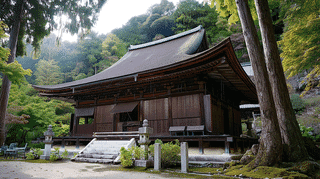
Discover Kuwanomi-ji Temple Main Hall, a nationally designated Important Cultural Property from the early Muromachi period. Explore its elegant cypress bark architecture, healing Buddha legend, and rich connection to samurai history in Shiga Prefecture.
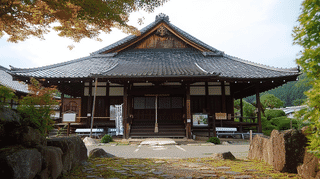
Discover the Seianji Guest Hall, an Important Cultural Property of Japan near Lake Biwa. Explore Momoyama-era architecture, Hasegawa school paintings, and legendary Ano-shu stone walls in Sakamoto, Otsu.
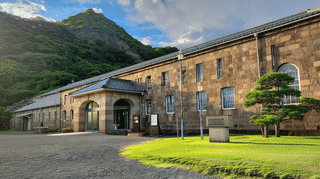
Discover the Former Shūseikan Machine Factory in Kagoshima, Japan's oldest surviving Western-style factory building. This UNESCO World Heritage Site showcases the birthplace of Japan's industrial revolution, blending Western technology with Japanese craftsmanship.
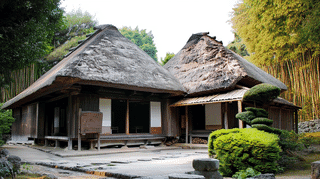
Discover the Nikaido Family Residence, a rare thatched-roof samurai home from 1810 in Kimotsuki, Kagoshima. Explore this Important Cultural Property's unique dual-building design and 800-year family legacy.
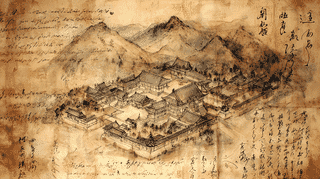
Discover the Jōkōmyō-ji Temple Site Map (浄光明寺敷地絵図), a designated Important Cultural Property and the only surviving pictorial map depicting Kamakura during its medieval heyday. Learn about its historical significance, the dramatic fall of the Kamakura Shogunate, and how to visit this remarkable treasure.
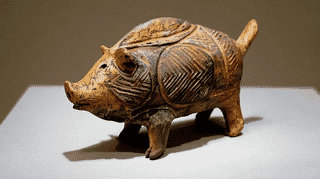
Discover the remarkable Boar-shaped Clay Object, a 4,000-year-old Important Cultural Property from Japan's Jomon period. Visit Hirosaki City Museum in Aomori to see this exceptional artifact showcasing ancient spiritual culture and artistic mastery.
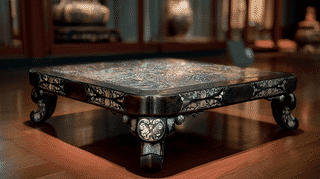
Discover the exquisite Kokushitsu Raden Raiban, a Kamakura period Important Cultural Property featuring stunning mother-of-pearl lotus arabesques on black lacquer. Visit this Buddhist ceremonial treasure at MOA Museum of Art in Atami, Japan.
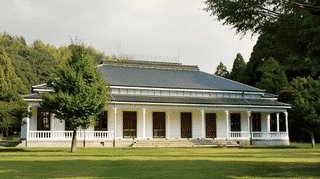
Discover the Former Gakushuin Elementary School Main Hall, an Important Cultural Property from 1899. This elegant Western-Japanese fusion building served Japan's nobility and is now preserved at Boso no Mura near Narita.
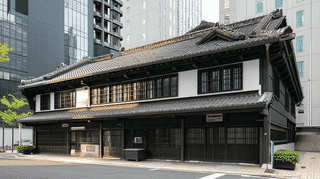
Discover the Former Konishi Family Residence (Kyu-Konishi-ke Jutaku), an Important Cultural Property in Osaka's Doshomachi district. This 1903 merchant house features traditional machiya architecture, kura storehouses, and offers a rare glimpse into Meiji-era pharmaceutical merchant life. Free guided tours available by reservation.
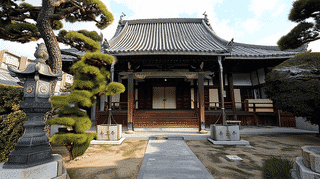
Explore Raigo-ji Temple's 1732 main hall in Matsubara City, Osaka. This hidden gem of the Yuzu Nembutsu sect features Edo-period architecture, a 500-year-old sacred tree, and connections to samurai lords and Japanese royalty. A perfect off-the-beaten-path destination for cultural travelers.
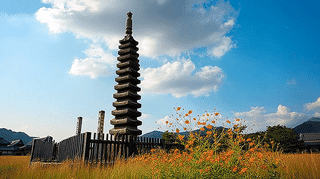
Discover Kujuno-to, a 13th-century Important Cultural Property stone pagoda in Usuki. This remarkable monument represents the pinnacle of Bungo stone art and served as the prototype for the region's stone tower tradition.
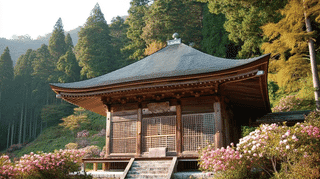
Discover Jinkakuji Hondo, a remarkable Important Cultural Property built in 1369, nestled atop Mount Jinkakuji in Oita Prefecture. Experience ancient Muromachi architecture, Kamakura-era guardian statues, and stunning rhododendron blooms at this serene mountain temple—one of Bungo's Three Great Temples.
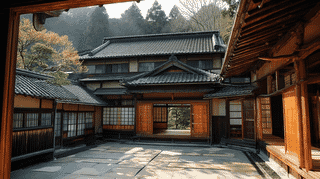
Explore the Ishitani Residence, a National Important Cultural Property in Tottori Prefecture. This magnificent 3,000-tsubo estate features 40+ rooms, stunning Japanese gardens, and showcases the finest craftsmanship of early 20th-century Japanese architecture. A must-visit for architecture and history enthusiasts.
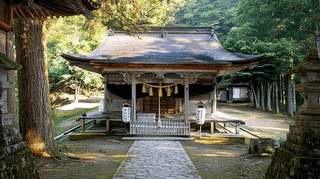
Discover Tottori Toshogu Shrine (formerly Ochidani Jinja), a serene Important Cultural Property featuring 17th-century architecture crafted by Nikko Toshogu's master builders. Explore this hidden gem nestled in an ancient forest with fireflies, traditional festivals, and the birthplace of Kirin lion dance.
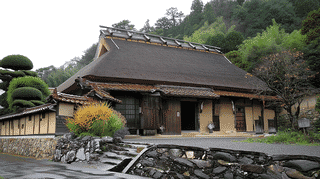
Discover Fukuda Family Residence in Tottori, a National Important Cultural Property dating back to the early 17th century. Explore the main house and two historic storehouses with traditional namako-wall decoration, representing the finest example of an Edo-period village headman's estate.

Discover the Purple Ground Haori with Aoi Mon, an Important Cultural Property featuring the rare tsujigahana dyeing technique worn by Tokugawa Ieyasu. Explore this exceptional textile masterpiece preserved at the Tokugawa Art Museum in Nagoya.
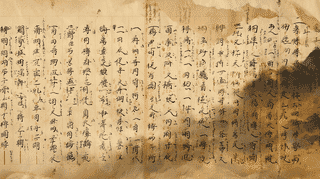
Discover the Nihon Shoki Jindaikan, a National Treasure manuscript at Kyoto National Museum. This 13th-century handwritten copy preserves Japan's oldest official mythology, including the creation of the Japanese islands and the birth of Amaterasu, the Sun Goddess. Learn about its cultural significance, viewing opportunities, and nearby attractions.
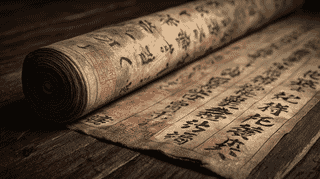
Discover the Teikeifu, a designated Important Cultural Property from Japan's tumultuous Nanbokucho period (1371). This handwritten imperial genealogy chart offers rare insights into medieval Japanese history at the National Museum of Japanese History in Sakura, Chiba.
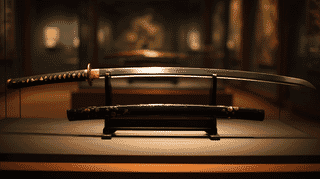
Discover the Important Cultural Property 'Katana with Gold Inlay Inscription Rai Kunimitsu' at Tokyo National Museum. Explore this Kamakura period masterpiece by the legendary Rai school swordsmith, appraised by the prestigious Hon'ami family.
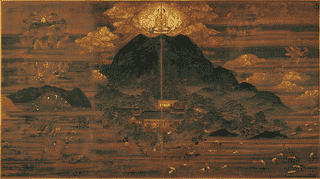
Discover the Kasuga Fudarakusan Mandala, a rare Kamakura-period masterpiece depicting the mystical fusion of Kasuga Shrine and Mount Potalaka. This Important Cultural Property at Tokyo's Nezu Museum offers a unique window into medieval Japan's syncretic religious art.