Tottori Toshogu Shrine: A Hidden Tokugawa Treasure in Japan's San'in Region

Discover Tottori Toshogu Shrine (formerly Ochidani Jinja), a serene Important Cultural Property featuring 17th-century architecture crafted by Nikko Toshogu's master builders. Explore this hidden gem nestled in an ancient forest with fireflies, traditional festivals, and the birthplace of Kirin lion dance.

Introduction: Discovering a Tokugawa Legacy Beyond Nikko

While millions of tourists flock to the famous Nikko Toshogu Shrine each year, few know that scattered across Japan are smaller Toshogu shrines, each with their own compelling stories and architectural treasures. Among these hidden gems, Tottori Toshogu Shrine (鳥取東照宮), nestled in a tranquil valley in the San'in region, stands as one of the finest examples of early Edo period shrine architecture—a place where history, craftsmanship, and natural beauty converge in perfect harmony.

Formerly known as Ochidani Jinja (樗谿神社), this shrine complex has preserved its original 17th-century structures so well that four of its buildings have been designated as National Important Cultural Properties. Yet, unlike its famous counterpart in Nikko, Tottori Toshogu remains refreshingly uncrowded, offering visitors an intimate encounter with Japan's Tokugawa heritage.

Historical Background: A Great-Grandson's Tribute to Tokugawa Ieyasu

The story of Tottori Toshogu begins with Ikeda Mitsunaka (池田光仲), the first daimyo of the Tottori Domain. What makes his story particularly remarkable is his lineage: Mitsunaka was the great-grandson of Tokugawa Ieyasu, the founder of the Tokugawa Shogunate who unified Japan and ushered in over 250 years of peace.

Mitsunaka became lord of the domain at just three years old, and it was not until 1648—sixteen years later—that he finally made his first official visit to his domain. This momentous occasion called for a grand gesture that would demonstrate both his reverence for his illustrious ancestor and his loyalty to the Tokugawa government.

With permission from the shogunate, Mitsunaka began construction of a Toshogu shrine in 1649. The site chosen was a secluded valley called Ochidani, named after the chinaberry trees (ouchu/樗) that once grew there. The shrine was completed in 1650 (Keian 3), the same year it was consecrated to enshrine the spirit of Tokugawa Ieyasu.

The Ikeda clan of Tottori held a unique position among Japan's feudal lords. Despite being classified as "tozama" (outer lords who had not been Tokugawa allies before the Battle of Sekigahara), they were treated almost as family due to their blood ties to the Tokugawa. They were permitted to use the Tokugawa clan's hollyhock crest and the prestigious Matsudaira surname—privileges that reflected their special status. The Tottori Toshogu became a powerful symbol of this relationship.

Why It Became an Important Cultural Property: Architectural Significance

In 1952, Tottori Toshogu's main structures were designated as National Important Cultural Properties—a recognition of their exceptional historical and artistic value. Four buildings received this prestigious status: the Main Hall (Honden), the Worship Hall (Haiden), the Offering Hall (Heiden), and the Chinese-style Gate (Karamon).

Master Craftsmen from Nikko

What sets Tottori Toshogu apart is the caliber of its construction. The shogunate dispatched Fujiwara Yoshihisa and other master carpenters who had worked on the construction of Nikko Toshogu itself. These craftsmen brought with them the techniques and aesthetic sensibilities that had created one of Japan's most celebrated architectural achievements.

Elegant Simplicity in Design

Unlike the ornate, colorfully painted structures of Nikko, Tottori Toshogu embodies a philosophy of refined simplicity. The buildings are constructed entirely from zelkova wood (keyaki), left unpainted to showcase the natural beauty of the timber. This approach, combined with Momoyama-period decorative metal fittings, creates an aesthetic that is both dignified and restrained—"simple yet full of grace," as Japanese architectural historians describe it.

Architectural Details

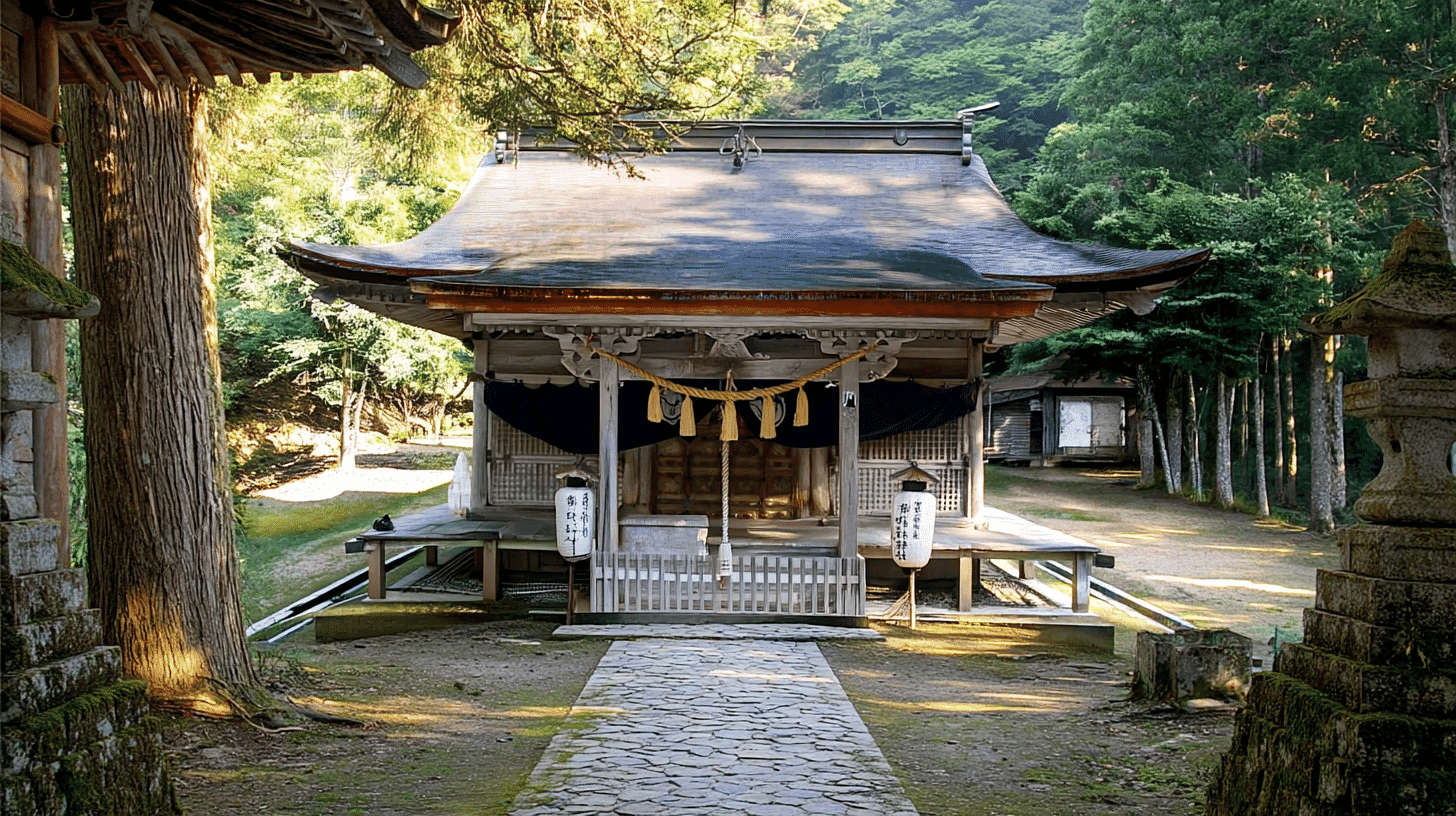
The Main Hall (Honden) measures three ken by two ken (approximately 5.4m × 3.6m), featuring an irimoya-zukuri (hip-and-gable) roof covered with hinoki cypress bark (hiwadabuki). A distinctive feature is the hawk carving on the beam above the door—traditionally attributed to Hidari Jingoro, the legendary Edo-period sculptor famous for Nikko's "Sleeping Cat" (Nemuri-neko).

The Karamon (Chinese-style gate) stands before the main hall as a flat-roofed gate (hira-karamon), marking the boundary to the most sacred precinct. The Haiden (worship hall) and Heiden (offering hall) are connected in an L-shape, featuring elegant irimoya-zukuri roofs covered with thin wooden shingles (kokerabuki).

Highlights and Attractions

The Sacred Approach (Sando)

The journey to Tottori Toshogu is as meaningful as the destination itself. From the entrance at Ochidani Park, visitors walk along a stone-paved path that follows a gentle stream through an ancient forest. Towering evergreen oaks, chinquapin trees, and camphor trees create a cathedral-like canopy overhead, while moss-covered stone lanterns line the way. The forest itself has been designated as a Natural Monument by Tottori City, preserving vegetation that has remained largely unchanged for centuries.

Zuijinmon (Guardian Gate)

Midway along the approach stands the Zuijinmon, a gate housing guardian deities that protect the shrine. Passing through this gate, visitors enter a more formal precinct where the spiritual atmosphere intensifies. The beautiful stone pavement beyond leads directly to the main shrine buildings.

The Shrine Buildings

The main sanctuary area presents a harmonious composition of the four Important Cultural Property structures. The unpainted zelkova wood has aged to a warm, dignified patina, while the Momoyama-style metal ornaments add subtle brilliance. The stone balustrade (tamagaki) surrounding the main hall adds to the sense of sacred enclosure.

Omiya Pond

Behind the shrine lies Omiya Pond (大宮池), an artificial reservoir created before the shrine's construction to irrigate local rice paddies. Today, surrounded by forested hillsides, it provides a serene backdrop to the sacred precinct and supports the local ecosystem that makes this valley home to fireflies.

Firefly Viewing (June)

Tottori Toshogu has earned recognition as one of the few places in an urban area where fireflies thrive naturally. In 1989, the area was certified as a "Hometown of Living Creatures" by Japan's Environment Agency. During June evenings, the streams and pools of Ochidani Park come alive with the magical glow of Genji fireflies (Luciola cruciata), creating an enchanting atmosphere that draws visitors from across the region.

Kirin Lion Dance: A Living Tradition

Tottori Toshogu holds a special place in the cultural history of the San'in region as the birthplace of the Kirin lion dance (麒麟獅子舞). Introduced in 1652 during the shrine's first major festival, this distinctive form of ritual dance spread throughout the Inaba and Tajima regions and is now performed at approximately 150 shrines and communities.

Unlike typical Japanese lion dances, the Kirin lion features a head shaped like the mythical kirin (often translated as "qilin" or Japanese unicorn), with distinctive curved horns. Two performers operate the costume, moving with slow, deliberate movements—crawling close to the ground, rotating the head, and stretching upward in a hypnotic display believed to bring blessings and ward off evil spirits.

The original Kirin lion costume from Tottori Toshogu, distinguished by its rare deep green color (most others are red), is now preserved at the Tottori Prefectural Museum and is displayed only during special exhibitions.

Seasonal Events and Festivals

Spring and Autumn Grand Festivals

The shrine holds its Spring Grand Festival (Shunki Reisai) on April 17th, commemorating the anniversary of Tokugawa Ieyasu's death, praying for regional prosperity and peace. The Autumn Grand Festival (Shuki Reisai) takes place on the second Saturday of October.

Gongen Matsuri (October)

The highlight of the shrine's festival calendar is the Gongen Matsuri, held in October. This celebration features a mikoshi (portable shrine) procession through the surrounding area, recalling the grand festivals of the Edo period when the shrine served as the spiritual center of the Tottori Domain. The festival also provides opportunities to witness traditional Kirin lion dance performances.

Rakuza Rakuichi Market

Coinciding with the autumn festival, the Rakuza Rakuichi market brings together local artisans, food vendors, and cultural performers, creating a lively atmosphere around the shrine grounds. It's an excellent opportunity to experience local crafts and cuisine while enjoying the festive atmosphere.

Surrounding Area Information

Ochidani Park

The shrine's approach passes through Ochidani Park, a beautifully maintained green space featuring a plum grove with hundreds of trees, walking paths, a lawn area for relaxation, and the rest house "Baikoan." The park is especially beautiful in early spring when the plum blossoms bloom and in autumn when the maple leaves turn brilliant shades of red and gold.

Tottori City History Museum (Yamabiko-kan)

Located at the entrance to Ochidani Park, this modern museum offers excellent context for understanding Tottori's history and culture. Exhibits cover the region from prehistoric times through the Edo period and into the modern era. The museum also hosts special exhibitions throughout the year.

Nearby Cultural Sites

The area between Tottori Castle ruins and Tottori Toshogu forms a historic zone with several sites connected to the Ikeda clan:

  • Kannon-in Temple Garden: A nationally designated Place of Scenic Beauty featuring a Momoyama-period strolling garden
  • Kozen-ji Temple: The Ikeda family temple with historic graves and architecture
  • Daiunin Temple: Originally the Buddhist temple that administered Tottori Toshogu before the Meiji-era separation of Shinto and Buddhism
  • Osada Shrine: Another shrine with deep connections to Tottori's feudal history

Tottori Castle Ruins

About 1.5 kilometers from the shrine, Tottori Castle ruins offer panoramic views of the city and the Sea of Japan. The castle is famous as the site of the 1581 Siege of Tottori during Toyotomi Hideyoshi's campaign to unify Japan. Today, visitors can climb the stone walls to the castle's original location and enjoy the city's most beautiful cherry blossoms in Kyusho Park below.

Visiting Tips for International Travelers

Best Times to Visit

Each season offers unique attractions: spring brings plum and cherry blossoms (February-April), early summer offers firefly viewing (June), autumn showcases brilliant foliage and festivals (October-November), and winter provides a serene, contemplative atmosphere with occasional snowfall that transforms the shrine into a picture of timeless beauty.

Photography Notes

The shrine's unpainted wood and forest setting create exceptional photography opportunities, especially in the soft light of early morning or late afternoon. The contrast between the natural wood buildings and the surrounding greenery photographs beautifully in any season.

Combining with Other Attractions

Tottori Toshogu is ideally combined with other Tottori City attractions. Consider pairing it with Tottori Sand Dunes (Japan's largest coastal dunes), Uradome Coast (spectacular rock formations along the Sea of Japan), or the historic castle town area with its traditional architecture and craft workshops.

Fireflies illuminating the stream at Ochidani Park in June evening

Why Visit Tottori Toshogu?

In an age when Japan's major tourist attractions can feel overwhelmed by crowds, Tottori Toshogu offers something increasingly rare: an authentic encounter with Japanese history and spirituality in a setting of profound natural beauty. Here, you can stand before buildings crafted by the same artisans who built Nikko Toshogu, walk through a forest that has remained essentially unchanged for centuries, and experience festivals and traditions that have been preserved since the Edo period—all without the crowds and commercialization that characterize more famous sites.

For travelers seeking to discover the Japan beyond the guidebook, Tottori Toshogu represents the best of what cultural tourism can offer: a place where the past is not merely preserved but remains alive, where architecture, nature, and tradition create an experience that resonates long after you've returned home.

📍 Plan Your Visit to Tottori
Find tours, activities & transport passes near Ochitani Shrine
[ Tottori Sand Dunes & Camel Riding Experience ]

Q&A

QWhat is the difference between Tottori Toshogu, Ochidani Jinja, and Inaba Toshogu?
AThese are all names for the same shrine at different periods. When founded in 1650, it was called Inaba Toshogu (因幡東照宮). After the Meiji Restoration in 1874, it was renamed Ochidani Jinja (樗谿神社), incorporating local Ikeda clan lords as additional deities. In 2011, it reclaimed its Toshogu identity as Tottori Toshogu (鳥取東照宮). Locals sometimes still call it "Gongen-san" (権現さん), an affectionate reference to the shrine's Buddhist-Shinto origins.
QHow does Tottori Toshogu compare to Nikko Toshogu?
AWhile both were built by the same master craftsmen to honor Tokugawa Ieyasu, they represent different aesthetic philosophies. Nikko Toshogu is famous for its lavish decorations and vibrant colors, while Tottori Toshogu embodies elegant simplicity with unpainted natural zelkova wood and restrained ornamentation. Tottori offers a more intimate, contemplative experience without the crowds, allowing visitors to appreciate the craftsmanship in peaceful surroundings.
QIs there an admission fee, and what are the visiting hours?
ATottori Toshogu and Ochidani Park are free to visit and accessible at any time. The adjacent Tottori City History Museum (Yamabiko-kan) has separate admission fees and hours. There is limited free parking (about 5 spaces) near the shrine, with additional parking available at the museum.
QWhen is the best time to see fireflies?
AFirefly viewing season typically runs from early to mid-June, with peak viewing usually occurring in the first two weeks of the month. The best viewing time is from about 8:00 PM to 9:30 PM on warm, humid evenings without strong wind or rain. The streams and ponds along the shrine approach are the primary viewing areas.
QCan I see the famous hawk carving attributed to Hidari Jingoro?
AThe hawk carving is located on the beam (taruki) of the main hall's roof structure. While it is part of the shrine's architecture, it may be difficult to see in detail from the public viewing areas. The carving is best appreciated knowing its historical significance—created by the same legendary craftsman who carved the famous "Sleeping Cat" at Nikko Toshogu.

Basic Information

Official Name Tottori Toshogu (鳥取東照宮) / Former name: Ochidani Jinja (樗谿神社)
Cultural Property Status National Important Cultural Property (designated 1952): Main Hall (Honden), Worship Hall (Haiden) & Offering Hall (Heiden), Chinese-style Gate (Karamon)
Founded 1650 (Keian 3)
Founder Ikeda Mitsunaka, First Lord of Tottori Domain
Main Deity Tosho Daigongen (Tokugawa Ieyasu), with Ikeda clan lords as additional deities
Architectural Style Irimoya-zukuri (hip-and-gable), unpainted zelkova wood construction
Master Craftsmen Fujiwara Yoshihisa and other carpenters from Nikko Toshogu construction
Address 87 Kamimachi, Tottori City, Tottori Prefecture 680-0015, Japan
Admission Free
Access From JR Tottori Station: 100-yen Loop Bus "Kunashi" (Red Course) approx. 20 min to "Ochidani Park Yamabiko-kan-mae", then 8 min walk; or 10 min by car
Parking 5 spaces (free); additional parking at Yamabiko-kan museum
Official Website https://tottori-toshogu.jp/

References

Tottori Toshogu Official Website
https://tottori-toshogu.jp/
Tottori Toshogu History and Origins - Official Website
https://tottori-toshogu.jp/history/
Tottori Toshogu (Ochidani Jinja) - Tottori Prefecture Official Tourism Site
https://www.tottori-guide.jp/tourism/tour/view/14
Tottori Toshogu (Former Ochidani Jinja) - Tottori City Official Tourism Site
https://www.torican.jp/spot/detail_1017.html
Tottori Toshogu - Wikipedia (Japanese)
https://ja.wikipedia.org/wiki/鳥取東照宮
Ochidani Jinja Main Hall, Karamon, Haiden and Heiden - Japan Heritage Portal
https://japan-heritage.bunka.go.jp/ja/culturalproperties/result/4494/
Tottori Toshogu - Tottori Prefecture Shrine Agency
https://tottori-jinjacho.jp/pages/84/
Tottori Toshogu and Its Name - Tottori City History Museum Yamabiko-kan
https://www.tbz.or.jp/yamabikokan/yamabiko/4484/

Last verified: 2026.01.28

Nearby heritages