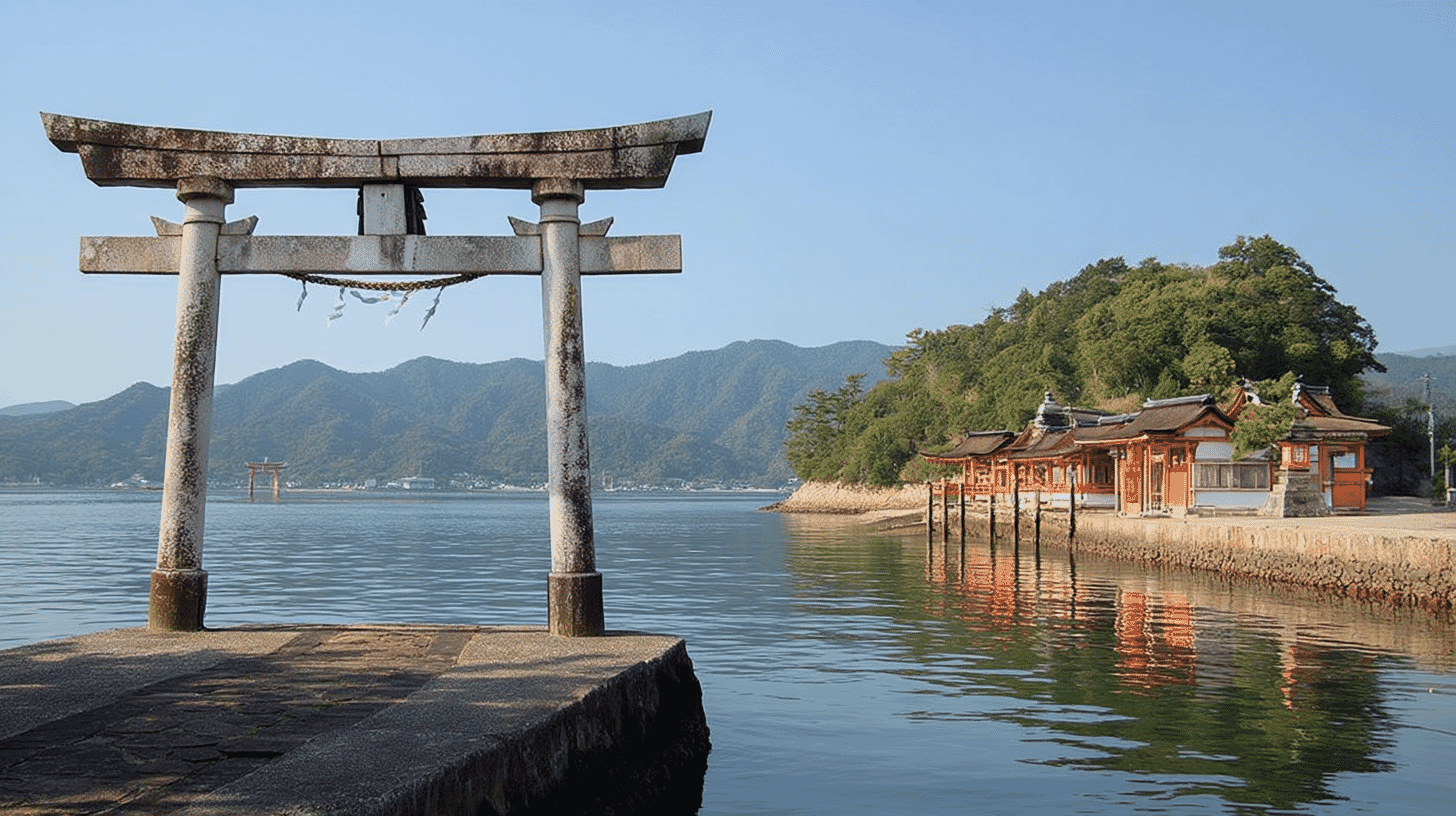
Narunashi Shrine: Kochi's Hidden "Miyajima of Tosa" – A Sacred Sea-Facing Shrine and Important Cultural Property

Discover Narunashi Shrine (Otonashi Jinja) in Susaki, Kochi Prefecture – a stunning Important Cultural Property known as the "Miyajima of Tosa." With its torii gate facing the sea, Edo-period architecture, and matchmaking blessings, this hidden gem offers a unique spiritual experience on Shikoku Island.

Narunashi Shrine: The "Miyajima of Tosa" Where Sea and Sacred Space Unite

Tucked away in the innermost reaches of Uranouchi Bay in Susaki City, Kochi Prefecture, Narunashi Shrine (鳴無神社, Otonashi Jinja) stands as one of Shikoku's most captivating hidden treasures. Often called the "Miyajima of Tosa," this remarkable shrine features a unique design where the approach path extends directly into the sea, creating an ethereal scene that evokes the famous floating torii of Hiroshima's Itsukushima Shrine—yet with its own distinct character and far fewer crowds.

A Journey Through Time: The History of Narunashi Shrine

The origins of Narunashi Shrine reach back to the mythological age of ancient Japan. According to shrine legend, the deity Hitokoto-nushi-no-Mikoto (一言主命) had a conflict with Emperor Yūryaku while dwelling on Mount Katsuragi in Nara. Fleeing by boat, the deity arrived at this secluded inlet on the last day of the year 460 CE, where a shrine was established to enshrine him.

Historical records suggest the shrine was formally established during the Kamakura period in 1251. The current shrine buildings, however, date to the early Edo period. In 1663, Yamauchi Tadayoshi, the second lord of the Tosa Domain, ordered the reconstruction of the shrine complex. This reconstruction project created the magnificent buildings that still stand today—a remarkable testament to over 360 years of continuous devotion and careful preservation.

Narunashi Shrine also holds significant importance as the original shrine (motomiya) of Tosa Shrine, the most prominent shrine in Kochi City. This connection underscores its deep spiritual significance within the religious landscape of the Tosa region.

Important Cultural Property: Architectural Excellence of the Edo Period

The shrine complex consists of three main structures—the Main Hall (Honden), the Offering Hall (Heiden), and the Worship Hall (Haiden)—all designated as Important Cultural Properties of Japan since March 31, 1953. These buildings represent precious examples of early Edo period shrine architecture, preserving the stylistic traditions associated with Tōshōgū construction.

The Main Hall (Honden)

The Main Hall is constructed in the three-bay Kasuga-zukuri style, one of the most venerable forms of Japanese shrine architecture. The roof is covered with thin wooden shingles (kokerabuki), a traditional roofing method that creates elegant curved lines. The vermillion-painted columns contrast beautifully with the polychrome decorations adorning the beams and bracket complexes, displaying the refined craftsmanship of Edo-period artisans.

The Offering Hall and Worship Hall (Heiden and Haiden)

The Offering Hall and Worship Hall are counted as a single structure that forms a distinctive T-shaped floor plan. The Worship Hall (Haiden) features a three-bay by two-bay design with a gable roof, while its front eaves are adorned with an elegant curved gable (karahafu)—a decorative element that demonstrates the sophisticated aesthetic sensibilities of the period. The Offering Hall (Heiden) extends behind the Worship Hall, connecting the two structures seamlessly. Both halls maintain their original cypress bark shingle roofing and open, airy design that creates a sense of spaciousness and spiritual tranquility.

These buildings underwent careful restoration between 1956 and 1957 to address deterioration while preserving their historical authenticity. The restoration work ensured that future generations could continue to appreciate these architectural masterpieces in their original splendor.

Why Was Narunashi Shrine Designated an Important Cultural Property?

The designation of Narunashi Shrine as an Important Cultural Property recognizes several exceptional qualities. The shrine buildings preserve the architectural lineage of early Edo period Tōshōgū-style construction—a distinctive style that emerged in the 17th century. In a region where such well-preserved cultural properties are rare, the existence of these structures holds immense historical and cultural value.

The colorful decorative elements throughout the shrine demonstrate masterful craftsmanship, while the overall composition—with the sea-facing approach and harmonious integration with the natural landscape—represents a unique contribution to Japan's shrine architectural heritage.

Highlights and Attractions: What Makes Narunashi Shrine Special

The Sea-Facing Approach

The most striking feature of Narunashi Shrine is its unique orientation toward the sea. Unlike most shrines where visitors approach from the land, Narunashi Shrine was traditionally accessed by boat. The vermillion torii gate stands at the water's edge, with the stone approach path extending directly into the calm waters of the bay. This configuration reflects the legend of Hitokoto-nushi-no-Mikoto's arrival by boat and creates an unforgettable visual impression that has earned the shrine its nickname as the "Miyajima of Tosa."

The Floating Omikuji Tradition

Narunashi Shrine maintains a distinctive custom regarding fortune slips (omikuji). Rather than tying them to branches as at most shrines, visitors are encouraged to release their omikuji into the sea. Made from water-soluble paper, these fortune slips slowly dissolve in the gentle waters of the bay, symbolically carrying one's wishes to the divine realm. The omikuji are available on weekends, national holidays, and the 1st and 15th of each month from approximately 10:00 to 17:00, priced at 100 yen each.

Matchmaking Blessings

Narunashi Shrine has gained widespread recognition as a powerful destination for matchmaking (enmusubi) prayers. The shrine's reputation received a significant boost when it became known that court officials had secretly visited to pray for the successful marriage of Crown Prince Naruhito and Masako Owada (now Their Majesties the Emperor and Empress). Following their marriage in 1993, the shrine's fame as a place for romance and relationship blessings spread throughout Japan, attracting visitors seeking similar fortune in love.

The Yusu Tree (Sacred Tree)

Within the shrine grounds stands a remarkable yusu tree (梼の木), a species of witch hazel family known for its exceptional longevity. The character for yusu (梼) combines the elements for "tree" and "longevity," reflecting the tree's association with long life. Seven of these rare trees grow in the shrine's forest, considered sacred treasures filled with spiritual power and vitality.

Traditional Festivals: Living Heritage of Narunashi Shrine

Shinae Festival (志那禰祭)

Every August 24th and 25th, Narunashi Shrine hosts the spectacular Shinae Festival, a summer celebration featuring a magnificent boat procession. During this festival, three boats carrying portable shrines (mikoshi) lead a fleet of approximately twenty fishing vessels across the bay, all adorned with colorful festival flags (tairyobata). This marine parade recreates the legendary arrival of the deity and demonstrates the deep connection between the local fishing community and the shrine.

Chiri-heppo Festival

On the 23rd day of the 8th month of the lunar calendar, the shrine holds its autumn grand festival known as Chiri-heppo. This ancient ritual reenacts a divine wedding ceremony, with a young boy called "Itajo" representing the child of the gods. This unusual and charming ceremony preserves ritual traditions dating back centuries and offers visitors a glimpse into the region's unique religious customs.

Surrounding Area: Exploring Susaki and Uranouchi Bay

A visit to Narunashi Shrine can be combined with exploration of the beautiful surrounding area. The Yokonami Black Current Line (Yokonami Kuroshio Line) offers a scenic coastal drive along the spine of the Yokonami Peninsula, with views of both the Pacific Ocean and the tranquil Uranouchi Bay. This driving route passes through stunning coastal landscapes and features viewpoints where visitors can appreciate the dramatic contrast between the wild Pacific surf and the mirror-like waters of the inner bay.

The region is also famous for its fresh seafood, particularly skipjack tuna (katsuo) prepared as tataki—seared on the outside while remaining raw inside. Susaki is additionally known for its unique nabeyaki ramen, a local specialty that features ramen noodles served in a clay pot with a rich, warming broth.

Practical Information: Planning Your Visit

Narunashi Shrine welcomes visitors year-round, though spring and autumn offer particularly pleasant weather for exploring the outdoor shrine grounds. The shrine's peaceful atmosphere makes it an excellent destination for those seeking a contemplative experience away from crowded tourist sites.

While car access is the most convenient option, adventurous visitors can also reach the shrine by the municipal ferry service that operates within Uranouchi Bay. This approach allows visitors to experience the shrine in the traditional manner—arriving by sea and walking up the stone path from the water's edge. The ferry stop is a short walk from the main approach.

Please note that the shrine office is only staffed on weekends, national holidays, and the 1st and 15th of each month. Plan accordingly if you wish to receive a goshuin (shrine stamp) or purchase omamori (protective amulets).

📍 Plan Your Visit to Kochi
Find tours, activities & transport passes near Narunashi Shrine
[ Katsurahama Beach & Kochi Castle Ryoma Tour ]

Q&A

QWhat is the best way to reach Narunashi Shrine?
AThe most convenient access is by car from JR Tano Station, taking approximately 20 minutes. The shrine has free parking near the main torii gate. Alternatively, the municipal ferry (Susaki City Patrol Boat) operates within Uranouchi Bay with limited stops at the shrine. Note that large buses cannot access the shrine due to narrow roads.
QWhen is the shrine office open for goshuin and omamori?
AThe shrine office is staffed on weekends (Saturday and Sunday), national holidays, and the 1st and 15th of each month, typically from 10:00 to 17:00. If receiving a goshuin or purchasing omamori is important to you, please plan your visit accordingly.
QWhy is Narunashi Shrine called the "Miyajima of Tosa"?
AThe nickname refers to the shrine's distinctive sea-facing design. Like the famous Itsukushima Shrine in Hiroshima (commonly called Miyajima), Narunashi Shrine features a torii gate at the water's edge with an approach path extending toward the sea. Historically, visitors arrived by boat, creating a floating shrine atmosphere similar to Miyajima's famous scene.
QCan I visit the shrine by boat like in ancient times?
AYes! The Susaki municipal patrol boat (巡航船) operates regular routes within Uranouchi Bay, with some services stopping at or near the shrine. The retro-style vessel adds to the traditional atmosphere. However, return services are limited, so check the schedule carefully. Charter services may also be available for groups wishing to recreate the traditional approach experience.
QWhat makes the omikuji at Narunashi Shrine unique?
AUnlike most shrines where visitors tie their fortune slips to branches, Narunashi Shrine has a tradition of releasing omikuji into the sea. The paper is made from water-soluble material, so it safely dissolves in the water. This practice symbolically carries your wishes across the waters to the divine realm—a beautiful and unique ritual experience available on weekends, holidays, and the 1st and 15th of each month.

Basic Information

Name Narunashi Shrine (鳴無神社 / Otonashi Jinja)
Deity Hitokoto-nushi-no-Mikoto (一言主命)
Founded 460 CE (according to legend); Formally established 1251
Current Buildings Reconstructed in 1663 by Yamauchi Tadayoshi, 2nd Lord of Tosa Domain
Architectural Style Main Hall: Three-bay Kasuga-zukuri style with cypress bark shingle roof
Cultural Property Designation Important Cultural Property of Japan (Main Hall, Offering Hall, Worship Hall) — Designated March 31, 1953
Address 3579 Uranouchi Higashibun, Susaki City, Kochi Prefecture 785-0163, Japan
Access Approximately 20 minutes by car from JR Tano Station
Parking Free parking available (note: large buses cannot enter due to narrow roads)
Admission Free
Shrine Office Hours Weekends, National Holidays, 1st and 15th of each month (approximately 10:00–17:00)
Phone 0889-49-0674

References

Narunashi Shrine – Susaki City Tourism Association
https://sta2020.com/susaki_info/tourism/757/
Cultural Heritage Online Database – Narunashi Shrine Main Hall
https://bunka.nii.ac.jp/db/heritages/detail/147138
Cultural Heritage Online Database – Narunashi Shrine Offering Hall and Worship Hall
https://bunka.nii.ac.jp/db/heritages/detail/202369
Narunashi Shrine – Wikipedia (Japanese)
https://ja.wikipedia.org/wiki/鳴無神社
Kochi Travel Net – Narunashi Shrine
https://kochi-tabi.jp/kanko/dtl.php?ID=906
JR Odekake Net – Narunashi Shrine
https://guide.jr-odekake.net/spot/14013

Last verified: 2026.01.02

Nearby heritages