Hibakoiwa Caves: Journey to Japan's 10,000-Year-Old Cave Dwelling Site in Yamagata

Discover Hibakoiwa Caves, a nationally designated historic site in Takahata, Yamagata Prefecture. This ancient cave dwelling reveals the origins of Jomon pottery and the lives of Japan's earliest settlers over 10,000 years ago.

Hibakoiwa Caves: A Window into Japan's Prehistoric Past

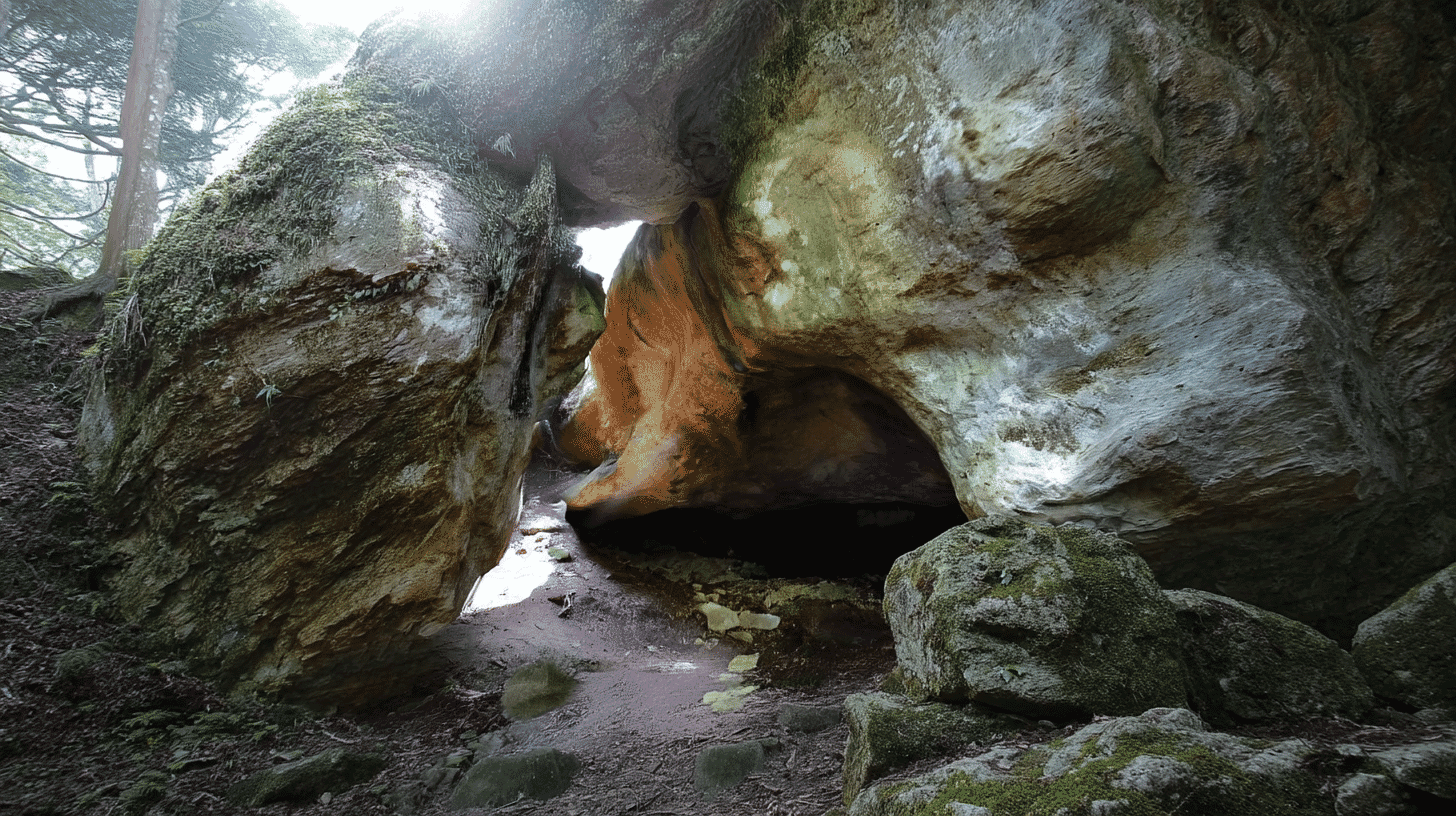
Hidden on a forested mountainside in Yamagata Prefecture lies one of Japan's most significant archaeological treasures. The Hibakoiwa Caves (火箱岩洞窟), designated as a National Historic Site since 1983, offer a remarkable glimpse into the lives of Japan's earliest inhabitants. Named for their resemblance to a "hibako" (a traditional warming box used in Japanese homes), these ancient caves served as dwellings for over 10,000 years—from the dawn of the Jomon period through the Kofun era.

The Historical Significance of Hibakoiwa Caves

The Hibakoiwa Caves are located at an elevation of approximately 360 meters on the eastern slope of Mount Daishimori (大師森山), near the Tokisawa settlement in the northern part of Takahata Town. The caves consist of two natural chambers—an upper rock shelter and a lower cave—formed within tuff (volcanic ash rock) that has been shaped by millennia of erosion.

Archaeological excavations conducted in three phases beginning in 1961 revealed stratified cultural layers that document continuous human habitation spanning from the Incipient Jomon period (approximately 14,000–10,000 years ago) through the Kofun period (300–538 CE). This remarkable timeline of occupation makes the site invaluable for understanding the development of prehistoric Japanese civilization.

Why This Site Was Designated a National Historic Site

On April 26, 1983, the Japanese government designated Hibakoiwa Caves as a National Historic Site (国指定史跡) in recognition of its exceptional archaeological value. The designation was based on several key factors:

First, the caves yielded pottery from the Incipient Jomon period—the earliest phase of the Jomon culture. These artifacts include ridged line pottery (隆起線文土器), nail-impressed pottery (爪形文土器), and pressed-cord pattern pottery (押奈縄文土器). The stratigraphic sequence of these pottery types has been instrumental in establishing the chronological framework for understanding Japan's earliest ceramic traditions.

Second, the site forms part of a larger cultural sphere centered on the Hinata and Ichinosawa cave sites in the region. Together, these sites demonstrate that the Takahata area was a major hub of human activity during the transition from the Paleolithic to the Jomon period—a pivotal moment in Japanese prehistory when people first began creating pottery and establishing more permanent settlements.

The Archaeological Treasures Within

The lower cave, with an entrance width of approximately 4 meters and a depth of 6 meters, has proven to be the primary repository of archaeological materials. The excavations revealed multiple stratified layers, each corresponding to different periods of occupation. From the deepest layers came the oldest artifacts—primitive pottery that represents some of the earliest ceramic technology in human history.

The pottery styles discovered at Hibakoiwa Caves follow a clear evolutionary pattern. The ridged line pottery (ryukisen-mon) features raised linear decorations created by applying thin clay strips to the vessel surface. The nail-impressed pottery (tsumegatamon) shows distinctive patterns made by pressing fingernails into soft clay. These decorative techniques provide evidence of the aesthetic sensibilities and technical skills of Japan's earliest potters.

Beyond pottery, the caves have yielded stone tools including pointed implements and scrapers, suggesting that the inhabitants were primarily hunters and gatherers who used the caves as seasonal or semi-permanent shelters. The presence of animal bones in some layers indicates what these ancient people ate and how they adapted to their environment over thousands of years.

Part of Japan's Largest Cave Site Concentration

What makes the Takahata area truly exceptional is the remarkable concentration of cave archaeological sites. Within this small region, there are four nationally designated cave sites: Hinata Caves, Ichinosawa Caves, Ōdachi Caves, and Hibakoiwa Caves. Beyond these, approximately 14 cave site clusters have been identified in the vicinity, including the Amako Cave Group and Kannonwa Cave Group.

This density of cave dwelling sites is unprecedented in Japan and speaks to the favorable conditions this area offered to prehistoric peoples. The tuff rock formations provided natural shelters, while the nearby Ōyachi wetland (now known as Hakuryūko or White Dragon Lake) and surrounding forests offered abundant food resources. The caves' south-facing orientations maximized exposure to warming sunlight while protecting inhabitants from harsh northern winds.

Together, these sites paint a vivid picture of a thriving prehistoric community that called this region home for over 10,000 years. The archaeological evidence suggests that people moved between these various caves seasonally, following game and gathering plants as the seasons changed.

Visiting Hibakoiwa Caves Today

While the Hibakoiwa Caves themselves are not currently open for public access due to preservation concerns, visitors can experience the region's extraordinary archaeological heritage through several alternatives.

The Yamagata Prefectural Ukitamu Fudoki no Oka Archaeological Museum serves as the ideal starting point for exploring the cave sites. The museum displays artifacts excavated from Hibakoiwa and the other Takahata caves, including pottery, stone tools, and reconstructions of Jomon-period life. The museum's name "Ukitamu" comes from an ancient name for the Okitama region found in the Nihon Shoki (Chronicles of Japan), emphasizing the area's deep historical roots.

From the museum, visitors can explore the surrounding Mahoroba Historical Park, which features reconstructed pit dwellings and provides context for understanding how prehistoric people lived. The nearby Hinata Caves, which are more accessible, offer the opportunity to see an actual cave dwelling site firsthand.

Nearby Attractions

The Takahata area offers much more than archaeological sites. Here are some recommended nearby attractions to enhance your visit:

  • Ukitamu Fudoki no Oka Archaeological Museum – Houses artifacts from all four nationally designated cave sites and features engaging exhibits about Jomon life, including dioramas and the stunning lacquered pottery from the nearby Ondashi site.
  • Akutsu Hachimangu Shrine – A historic shrine founded in 860 CE, featuring a beautiful three-story pagoda and traditional architecture that showcases the region's medieval history.
  • Takahata Winery – Yamagata is famous for its grapes, and Takahata is Japan's leading producer of Delaware grapes. The winery offers tastings and tours.
  • Michi no Eki Takahata (Mahoroba Station) – A roadside station offering local produce, including the famous Takahata fruits and regional specialties.
  • Taiyokan Onsen – Located directly at JR Takahata Station, this hot spring facility offers a relaxing way to end your day of exploration.
  • Hirosuke Hamada Memorial Hall – Dedicated to the beloved children's author known as "Japan's Andersen," who was born in Takahata.

Best Time to Visit

The Takahata area can be visited year-round, though each season offers different advantages. Spring (April–May) brings fresh greenery and pleasant hiking weather. Summer (June–August) offers lush forests and fruit-picking opportunities, including cherries and peaches. Autumn (September–November) showcases spectacular fall foliage and the grape harvest season. Winter (December–March) blankets the region in snow, creating a serene atmosphere, though access to some mountain sites may be limited.

For those interested in archaeology, the museum is open year-round (closed Mondays and holidays), making it accessible regardless of weather conditions.

Access Information

Takahata Town is conveniently accessible via the Yamagata Shinkansen. From Tokyo Station, take the Tsubasa shinkansen to Takahata Station (approximately 2 hours 10 minutes). From Takahata Station, the Ukitamu Fudoki no Oka Archaeological Museum is approximately 20 minutes by car or taxi. The Hibakoiwa Caves site is located approximately 30 minutes by car from Takahata Station.

For visitors with rental cars, the area is accessible via the Tohoku Chuo Expressway, with the Yonezawa-Kita IC being the nearest interchange. Having a car is highly recommended for visiting the various cave sites scattered throughout the mountainous terrain.

📍 Plan Your Visit to Yamagata
Find tours, activities & transport passes near Hibakoiwa Cave
[ Yamadera Temple & Zao Onsen Hot Springs ]

Q&A

QCan I enter the Hibakoiwa Caves?
ACurrently, the Hibakoiwa Caves are not open for public entry to protect the archaeological site. However, you can view artifacts from the caves at the Yamagata Prefectural Ukitamu Fudoki no Oka Archaeological Museum. The nearby Hinata Caves offer a more accessible cave site experience.
QHow old are the artifacts found at Hibakoiwa Caves?
AThe oldest artifacts from Hibakoiwa Caves date to the Incipient Jomon period, approximately 10,000 to 14,000 years ago. The caves contain stratified layers showing continuous habitation through the Kofun period (around 300–538 CE), representing over 10,000 years of human occupation.
QWhy is this site called "Hibakoiwa" (Fire Box Rock)?
AThe name comes from the cave's resemblance to a "hibako" (火箱), a traditional Japanese warming box used to provide heat in homes. The shape of the rock formation reminded local people of this familiar household item.
QWhat makes the Takahata cave sites special compared to other Jomon sites?
AThe Takahata area has the highest concentration of cave dwelling sites in Japan, with four nationally designated caves and approximately 14 additional cave site clusters. The stratified pottery sequence found here was crucial in establishing the chronology of Japan's earliest ceramic traditions.
QIs there English information available at the museum?
AThe Ukitamu Fudoki no Oka Archaeological Museum primarily provides information in Japanese. International visitors may want to prepare by researching in advance or using translation apps. The visual displays and artifact exhibits are generally accessible regardless of language.

Basic Information

Name Hibakoiwa Caves (火箱岩洞窟 / Hibakoiwa Dōkutsu)
Designation National Historic Site (Designated April 26, 1983)
Period Incipient Jomon through Kofun Period (approx. 14,000 years ago – 538 CE)
Location Tokisawa, Takahata Town, Higashiokitama District, Yamagata Prefecture, Japan
Address 723-1 Tokisawa, Takahata-machi, Higashiokitama-gun, Yamagata 992-0352
Elevation Approximately 360 meters
Cave Dimensions Lower cave: Entrance width approx. 4m, Depth approx. 6m
Geology Tuff (volcanic ash rock)
Public Access Not currently open to the public
Contact Takahata Town Board of Education, Cultural Affairs Section
Tel: 0238-52-4472
Related Museum Yamagata Prefectural Ukitamu Fudoki no Oka Archaeological Museum
2117 Akutsu, Takahata-machi, Yamagata 992-0302
Tel: 0238-52-2585
Museum Hours 9:00–17:00 (Last entry 16:30)
Museum Closed Mondays, National Holidays (except May 5 and November 3), Year-end/New Year
Museum Admission Adults: ¥200 / University students: ¥100 / High school and under: Free
Access Approx. 30 min by car from JR Takahata Station (Yamagata Shinkansen)

References

Hibakoiwa Caves | Yamagata Tourism Official Website
https://yamagatakanko.com/attractions/detail_841.html
Yamagata Cultural Properties Search – Hibakoiwa Caves
https://www.pref.yamagata.jp/cgi-bin/yamagata-takara/?m=detail&id=1130
Hibakoiwa Caves – Wikipedia (English)
https://en.wikipedia.org/wiki/Hibakoiwa_Caves
Ukitamu Fudoki no Oka Archaeological Museum – Permanent Exhibition
https://ukitamu.pupu.jp/
Hinata Caves – Cultural Heritage Online
https://bunka.nii.ac.jp/heritages/detail/204773
Takahata Town Archaeological Museum Information
https://www.town.takahata.yamagata.jp/soshikiichiran/shakaikyoikuka/oshirase/6/499.html
Jomon Culture Tourism in Tohoku | JNTO
https://dc.tohokukanko.jp/dc-feature-en/special/features-15/index.html

Last verified: 2026.01.27

Nearby heritages