
National Treasures of Tokyo
東 京 都 の 国 宝Tokyo’s national treasures — properties designated kokuhō for their exceptional value to the nation.
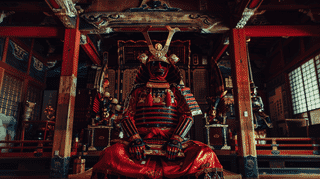
A Heian-period great armour at Musashi Mitake Shrine in Tokyo. The Agency calls it the finest work in Kanto; Meiji repairs took the colour from its lacing.
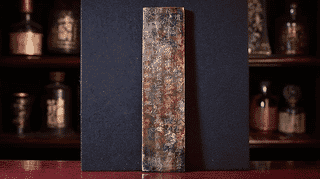
A copper epitaph found at Matsuokayama in Kashiwara, Osaka, now at the Mitsui Memorial Museum. Its inscription dates the burial to 668. National Treasure since 1961.
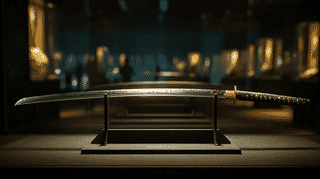
A Kamakura-period katana at the Tokyo National Museum in Tokyo. Its tang was cut right back, so the name of the maker had to be inlaid in gold later on.
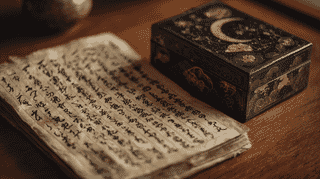
A manuscript in Teika's own hand kept in Tokyo. The same disordered leaves running through all the later copies proved this one to be the ancestor.
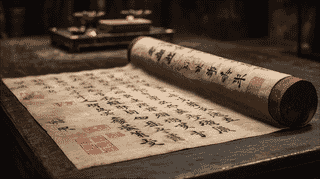
A Tang-dynasty copy of a letter by Wang Xizhi, kept in Tokyo. Nothing at all in his own hand survives, and so the copy itself is now the treasure here.
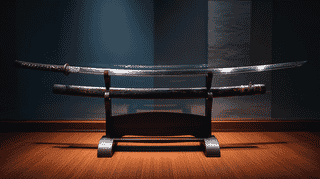
A Kamakura-period tachi held at the Tokyo National Museum in Tokyo. Its tang was never once cut back at all, and so the smith's own signature survives.
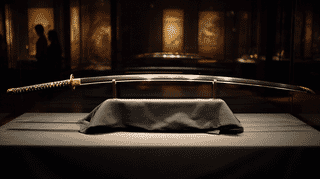
A Heian-period tachi held at the Tokyo National Museum in Tokyo. Its signature does survive, but several smiths in Bizen once bore this very same name.
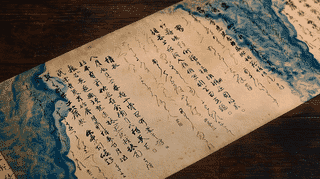
Two Heian-period scrolls kept in Tokyo, written on paper bearing indigo cloud shapes. Tradition and inference here name two quite different hands for it.
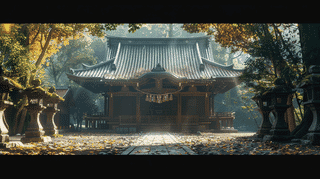
A middle Muromachi-period hall in Tokyo. One single ink inscription found there fixed its own date, the temple's own name and its own image all at once.
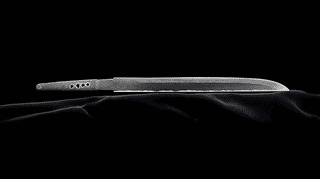
A Kamakura-period tanto at the Tokugawa Art Museum in Aichi. The two records give its length differently here, by a tenth of a centimetre in each case.

Twelve Heian-period hanging scrolls held at the Kyoto National Museum. Twelve more of the very same name and owner hang at a different museum entirely.
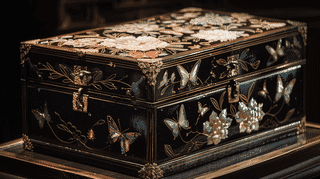
A Kamakura-period hand box kept in Tokyo. Three techniques answer to three colours in it: the gold of lacquer, the white of shell, the silver of inlay.
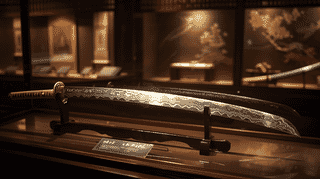
A Heian-period tachi held at the Tokyo National Museum in Tokyo. Its by-name here comes from the crescent moon shapes running along the temper line of it.
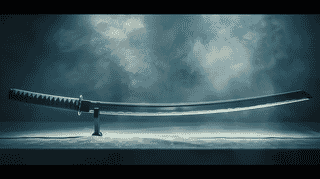
A Heian-period tachi held in Tokyo. One single maker goes under three names across the one record here: the signature, a surname, and a by-name as well.
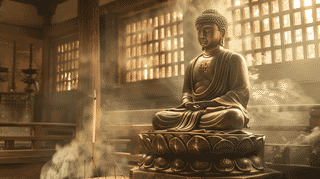
A gilt bronze Buddha at Jindaiji in Tokyo, seated on a chair with both feet forward. Found beneath an altar platform in 1909, it became a National Treasure in 2017.
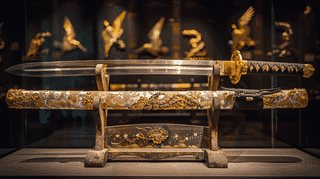
A Heian-period ceremonial sword at the Tokyo National Museum in Tokyo. Its title here uses the older variant characters for two of the words within it.
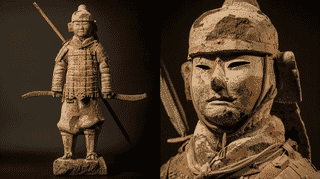
A Kofun-period haniwa at the Tokyo National Museum in Tokyo, counted here as one single figure rather than being gathered into a lot with other finds.
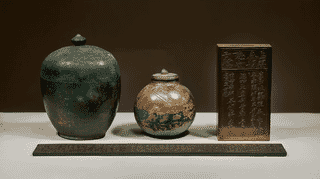
Archaeological material at the Tokyo National Museum in Tokyo. Its containers nest three deep here: a box, a jar, and a glass jar set inside that one.

A Southern Song tea bowl in Tokyo, known as the Inaba Tenmoku. Another bowl of the very same name here was listed on exactly the same day as this one.
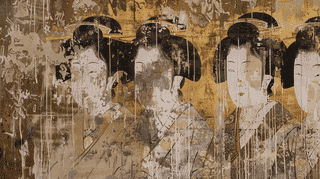
A Kamakura-period sutra scroll kept in Tokyo, written upon the underdrawings for a picture scroll that a death had left unfinished halfway through it.
More from Tokyo
Tokyo’s registered properties across designations, with featured heritage and travel notes.
The complete kokuhō catalogue — browse by prefecture, period, and category.
Nationwide jūyō bunkazai — architecture, sculpture, painting, crafts, and documents.