Seven Star Sword
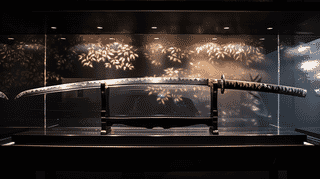
Discover the Shichiseiken, a 1,400-year-old National Treasure sword with Big Dipper gold inlay, originally owned by Prince Shotoku. Learn about this sacred blade housed at Tokyo National Museum and its connection to Shitennoji Temple in Osaka.
Yuteki Tenmoku Tea Bowl
Discover the $11 million Yuteki Tenmoku tea bowl at Osaka's Museum of Oriental Ceramics. This 12th-century Song Dynasty masterpiece features mesmerizing oil-spot patterns and stands as Japan's only National Treasure-designated Yuteki Tenmoku. Complete visitor guide included.
Yohen Tenmoku Tea Bowl
Experience one of only three surviving Yohen Tenmoku tea bowls in the world at Osaka's Fujita Museum. This 12th-century National Treasure displays mysterious cosmic patterns that modern science cannot reproduce, valued at 1.7 billion yen.
Gilt-Bronze Ishikawa Tonoashi Tombstone
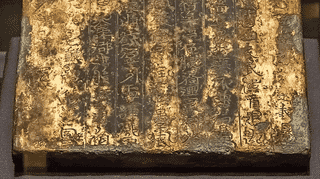
Discover the gilt-bronze epitaph of Ishikawa no Toshitari, a National Treasure of Japan dating to 762 CE. This exquisite Nara period funerary inscription reveals the life of a Soga clan nobleman and offers rare insight into ancient Japanese burial customs.
Tachi〈Meisukebao〉
Explore the extraordinary National Treasure Tachi Mei Sukekata, one of only four surviving masterpieces by the Ko-Bizen swordsmith. Learn about this 800-year-old treasure's significance, viewing opportunities, and alternative sword collections in Tokyo.
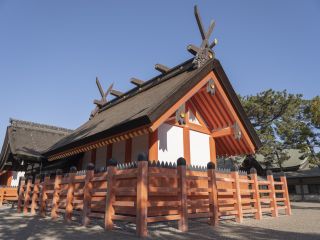
Kanshinji Temple Golden Hall
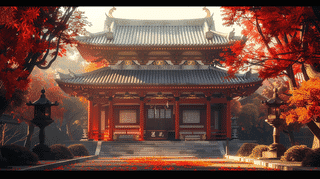
Discover Kanshinji Temple's Golden Hall, Osaka's oldest National Treasure building featuring the unique "Kanshinji style" architecture. This 14th-century masterpiece harmoniously blends Japanese, Chinese Zen, and Indian Buddhist elements. Home to the secret Nyoirin Kannon statue and connected to samurai hero Kusunoki Masashige.
Engishiki〈Volume 12, Remaining Volumes, 14th/16th〉
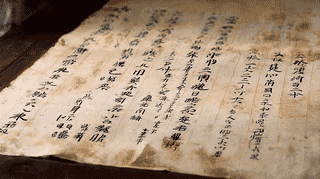
Discover the Engishiki, a National Treasure housed at Amanosan Kongoji Temple in Osaka. Copied in 1127 CE, these scrolls are the oldest surviving manuscripts of Japan's most complete ancient legal code, revealing Heian-period governance, Onmyōdō divination, and imperial court culture.
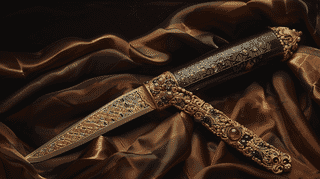
Rhino Horn Handle Sword
Discover the extraordinary Rhinoceros Horn Handle Knife, a National Treasure from Emperor Shomu's personal collection. Learn how to view this 1,260-year-old artifact during the exclusive 17-day Shosoin Exhibition at Nara National Museum, including tickets, access from Tokyo/Osaka/Kyoto, and combining your visit with World Heritage Sites.
Blue and White Porcelain Inkstone
Discover the Seihakuji circular inkstone, Japan's only ceramic inkstone designated as National Treasure. This Tang Dynasty masterpiece at Domyoji Tenmangu Shrine reveals 1,100 years of cultural exchange between China and Japan through the legacy of Sugawara no Michizane.
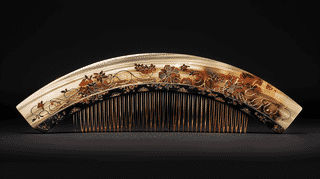
Ling Wai Soo Fang Comb
Discover the exquisite tortoiseshell-decorated ivory comb at Dōmyōji Tenman-gū Shrine in Osaka. This National Treasure from the Heian period showcases Tang dynasty craftsmanship through five precious materials, while telling the poignant story of Japan's patron deity of learning.
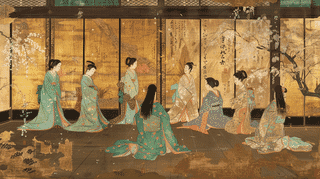
Colored Paper Scroll of the Tale of Nezame
Discover the Nezame Monogatari Emaki, a 12th-century National Treasure housed at Nara's Yamato Bunkakan Museum. This exquisite handscroll exemplifies the pinnacle of Heian court painting with its gold-adorned illustrations and the last fragments of a lost tale of forbidden love.
Sword (gold Inlay Inscription Mitsutada/Mitsutoku Kao)
Discover the National Treasure katana by Osafune Mitsutada, founder of Japan's greatest swordmaking lineage. Once owned by Oda Nobunaga and Tokugawa Ieyasu, this 13th-century masterpiece features a dazzling chōji hamon and gold inlay attribution by Hon'ami Kōtoku.
Tachi〈Inscription Close View of Osafunesumi, Bizen
Discover a National Treasure tachi forged in 1329 by Chikakage of the Osafune school in Bizen Province. With an elegant blade of approximately 80.6 cm, this late Kamakura period masterwork showcases the refined ji-hada and graceful suguha-based hamon characteristic of the Bizen tradition. Explore the legacy of swordsmith Chikakage, his close ties with the legendary Kagemitsu, and the rich history of Japan's greatest sword-producing region.
Tachi〈Inscribed Bizen Province Yoshioka Sumi Sakon Sho Kanki
This National Treasure tachi, forged by master swordsmith Sukemitsu of the Yoshioka Ichimonji school in 1322, represents the pinnacle of late Kamakura-period Bizen swordsmithing. Featuring a dazzling chōji-midare hamon, sacred Buddhist inscriptions to Hachiman and Myōken, and a prestigious provenance tracing back to Shogun Tokugawa Iemitsu, this extraordinary blade invites you to explore the spiritual and artistic depths of Japan's sword culture.
Tachi (inscribed Masatsune)
Discover the National Treasure tachi signed Masatsune, a masterwork of the Ko-Bizen school of Japanese swordsmithing from the Heian period. Learn about its elegant form, cultural significance, and where to appreciate Japanese sword heritage.
Sword〈Mei Shuri〉
Discover the National Treasure tachi signed by Moritoshi, a rare Kamakura-period masterwork from the Ko-Aoe school. Learn about its elegant chirimen-hada grain, historical significance, and how to appreciate Japanese swords in Japan.
Tanto (Masamune Knife without Signature (famous Masamune
Discover the Hōchō Masamune, a National Treasure tantō forged by Japan's greatest swordsmith. Learn about its dramatic metallurgical beauty, storied provenance through samurai clans, and why all three surviving Hōchō Masamune are designated National Treasures.
Short Sword (inscribed Kunimitsu)
A National Treasure tantō forged by Shintōgo Kunimitsu, the founder of the Sōshū sword tradition, during the late Kamakura period. Considered the finest among Kunimitsu's surviving works for its exceptionally rich steel and temper pattern activity, this blade features Buddhist carvings of a ritual sword and Fudō Myōō. Formerly owned by the last Tokugawa shōgun, it is now privately held in Osaka.
Short Sword (signed Takaichi □ Sumikin Goto Sadakichi / □
Discover the National Treasure tantō 'Kuwayama Hōshō,' forged in 1324 by master swordsmith Fujiwara Sadayoshi of the Yamato Hōshō school. Listed in the celebrated Kyōhō Meibutsu Chō catalogue, this blade passed from samurai lord Kuwayama Motoharu to the powerful Maeda clan of Kaga. Explore its exquisite masame-hada forging, rich provenance, and enduring legacy as the finest work of the Hōshō tradition.
Naginata (inscription Kisukemitsu, Sakonshokan, Yoshioka
This National Treasure naginata was forged in 1320 by Sukemitsu, the foremost master of the Yoshioka Ichimonji school in Bizen Province. Retaining its original tang with a rare dated inscription, it perfectly exemplifies the Kamakura-period polearm blade form. Passed down through the prestigious Kaga Maeda clan, this masterpiece showcases exquisite chōji tempering patterns and finely forged steel that embody the pinnacle of 700-year-old Japanese sword craftsmanship.