— Prefecture · Osaka · 大 阪 府 —

Registered Tangible Cultural Properties of Osaka
大 阪 府 の 登 録 有 形 文 化 財

Osaka · Registered Tangible Cultural Properties

881 total Osaka
Showing 1 – 20 of 881
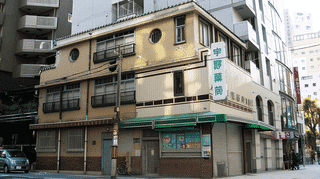
Uno Pharmacy
Osaka 昭和前 Registered Tangible Cultural Properties
Uno Pharmacy

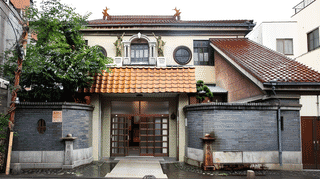
Explore Uno Pharmacy, a nationally registered tangible cultural property in Osaka. This 1933 wooden building showcases rare "Kanban-Kenchiku" (signboard architecture) with Spanish-style tiles, Art Deco elements, and distinctive porthole windows—a unique survivor of prewar Japanese commercial design.

Gengabashi Hot Spring Baths
Osaka 昭和前 Registered Tangible Cultural Properties
Gengabashi Hot Spring Baths

Discover Gengahashi Onsen, a 1937 Showa modernist bathhouse in Osaka featuring an iconic Statue of Liberty and shachihoko roof ornaments. Learn about Japan's first registered cultural property public bath and its unique architectural legacy.

Shotokukan Main Building
Osaka 昭和前 Registered Tangible Cultural Properties
Shotokukan Main Building

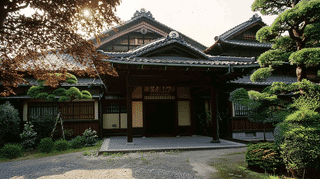
Discover Shotokukan, a registered tangible cultural property in Osaka featuring exquisite Japanese-Western fusion architecture, rare timbers from across Japan, and Art Deco craftsmanship from the 1930s.

Japan Free Methodist Church, Osaka Nipponbashi Christ Church
Osaka 大正 Registered Tangible Cultural Properties
Japan Free Methodist Church, Osaka Nipponbashi Christ Church

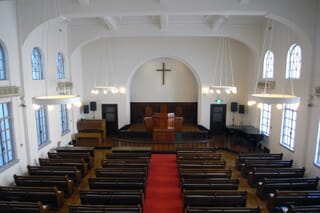
Discover the historic Osaka Nipponbashi Christian Church, a 1925 Gothic Revival masterpiece and Registered Tangible Cultural Property. Located near Kuromon Market and Den Den Town, this architectural treasure offers a peaceful spiritual retreat in bustling Osaka.

Sama House
Osaka 昭和前 Registered Tangible Cultural Properties
Sama House

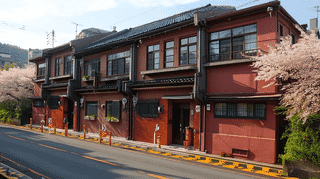
Discover Hazama House, a beautifully preserved 1932 luxury nagaya row house in Osaka's Miyakojima district. This Registered Tangible Cultural Property features a unique hybrid design with reinforced concrete basement and wooden upper floors along the scenic Okawa River.

Aoyama Building
Osaka 大正 Registered Tangible Cultural Properties
Aoyama Building

Built in 1921 as the private home of an Osaka importer who had traveled across Europe, the Aoyama Building is a Spanish-style gem in the historic Funaba district. Designed by Ito Tsuneji and constructed by Obayashi Gumi, it is wrapped in ivy grown from cuttings of the famous Hanshin Koshien Stadium vines, changing colors with every season. Inside, Taisho-era Italian stained glass, a hand-twisted ironwork staircase, and grape-motif beams remain beautifully preserved. Registered as a Tangible Cultural Property of Japan in 1997, it sits one minute from Kitahama Station and is one of central Osaka's most photographed historical buildings.

Abeno Oji Shrine Former Main Hall
Osaka 明治 Registered Tangible Cultural Properties
Abeno Oji Shrine Former Main Hall

Discover the Former Main Hall of Abe Oji Shrine, a Registered Tangible Cultural Property built in 1908 along the historic Kumano Kaido in Osaka's Abeno Ward. Learn about its distinctive nagare-zukuri architecture and the shrine's deep ties to the Kumano pilgrimage and Abe no Seimei.

Abe Oji Shrine Kuzunoha Inari Shrine Main Hall (formerly
Osaka 江戸 Registered Tangible Cultural Properties
Abe Oji Shrine Kuzunoha Inari Shrine Main Hall (formerly

The Kuzunoha Inari Shrine Main Hall, nestled within Abe Oji Shrine in Osaka's Abeno Ward, is a National Registered Tangible Cultural Property originally built as the Main Hall of Otokoyama Hachiman Shrine in Osaka's historic Semba merchant district. Relocated in 1907 and surviving the wartime destruction that obliterated Semba, this exquisite Edo-period structure — painted in vivid vermillion with polychrome accents — is the sole remaining shrine hall from one of Japan's most important commercial centers. Discover its rich architectural heritage and the legendary connection to Kuzunoha, the mystical fox mother of the famed onmyōji Abe no Seimei.

Abe No Seimei Shrine Lattice Fence
Osaka 大正 Registered Tangible Cultural Properties
Abe No Seimei Shrine Lattice Fence

The Sukibei (transparent fence) of Abe no Seimei Shrine in Abeno Ward, Osaka, is a wooden fence with a copper-plate roof built in 1924 that encircles the main hall as a sacred boundary. Registered as a National Registered Tangible Cultural Property in 2019, it features chamfered square pillars with diamond-shaped lattice strips crafted from fine timber. Discover the history and architectural beauty of this shrine at the legendary birthplace of Abe no Seimei, Japan's most famous onmyoji.

Abe No Seimei Shrine Worship Hall and Offering Hall
Osaka 大正 Registered Tangible Cultural Properties
Abe No Seimei Shrine Worship Hall and Offering Hall

The Haiden (worship hall) and Heiden (offertory hall) of Abe no Seimei Shrine in Osaka's Abeno Ward are Taishō-era structures built in 1924 at the legendary birthplace of Abe no Seimei, the greatest onmyōji of the Heian period. Registered as a Tangible Cultural Property of Japan, the buildings feature refined revivalist architecture with hip-and-gable copper-plate roofing that harmonizes with the main sanctuary. The shrine grounds also feature pentagram motifs, a bronze statue of Seimei, and sites connected to the famous Kuzunoha fox legend.

Abe No Seimei Shrine Main Hall
Osaka 大正 Registered Tangible Cultural Properties
Abe No Seimei Shrine Main Hall

The Main Hall of Abe no Seimei Shrine in Osaka's Abeno Ward is dedicated to Abe no Seimei, the legendary Heian-period onmyōji (yin-yang diviner). Completed in 1924, the hall was designed by former Nara Prefecture engineer Yoshida Tanejirō in the traditional ichiensya nagare-zukuri style with copper plate roofing, incorporating Daibutsuyō-style kibana brackets and medieval kaerumata struts. Registered as a National Tangible Cultural Property in 2019, the shrine stands on the traditional birthplace of Seimei along the historic Kumano Kaidō pilgrimage route, drawing visitors as one of Osaka's most celebrated spiritual power spots.

Arai Building
Osaka 大正 Registered Tangible Cultural Properties
Arai Building

Built in 1922 as the Osaka branch of Hotoku Bank, the Arai Building is a Registered Tangible Cultural Property designed by renowned architect Kawai Kozo. Featuring imposing Doric columns and an elegant Taisho-era interior, it now houses the acclaimed patisserie GOKAN on its lower floors, offering visitors a unique blend of architectural heritage and exquisite Japanese-inspired confections in Osaka's historic Kitahama financial district.

Ikeda Pier Maru Center (former Ikeda Jitsugyo Bank Head
Osaka 大正 Registered Tangible Cultural Properties
Ikeda Pier Maru Center (former Ikeda Jitsugyo Bank Head

Located in Ikeda City, Osaka, the Ikeda Pia Maru Center (Former Ikeda Industrial Bank Head Office) is the oldest reinforced concrete building in the city, completed in November 1925 and designed by Ogasawara Hisashi (Shōkō). Registered as a National Tangible Cultural Property in 2004, this elegant Taishō-era bank now lives on as a coworking and startup incubation hub.

Ikoma Watch Shop
Osaka 昭和前 Registered Tangible Cultural Properties
Ikoma Watch Shop

The Ikoma Clock Shop (Ikoma Building) in Hiranomachi, Osaka, completed in 1930 and designed by the master Kansai architect Sou Hyozo, is a National Registered Tangible Cultural Property. Its rooftop clock tower and pendulum-inspired vertical bay windows and round window, scratch-tile and terracotta Art Deco facade, granite eagle sculptures, and Italian-marble staircase make it one of central Osaka's finest early Showa-era commercial buildings — and it remains in operation as a clock and jewelry shop, just two minutes' walk from Kitahama Station.

Itsuo Museum of Art (former Main Building)
Osaka 昭和前 Registered Tangible Cultural Properties
Itsuo Museum of Art (former Main Building)

Gazoku-sanso, the 1937 Ikeda home of Hankyu founder Kobayashi Ichizo, blends Spanish tiles and Tatsuyama stone. It is now the Kobayashi Ichizo Memorial Hall.

The Main Gate of the Former Main Building of the Itsuo
Osaka 江戸 Registered Tangible Cultural Properties
The Main Gate of the Former Main Building of the Itsuo

The nagayamon at the entrance to Kobayashi Ichizo's Ikeda villa is a late-Edo long-house gate, said to have been relocated here in 1936 from a village headman's estate.

Wall of the Former Main Building of the Itsuo Museum of Art
Osaka 昭和前 Registered Tangible Cultural Properties
Wall of the Former Main Building of the Itsuo Museum of Art

A 47-metre reinforced-concrete wall around Kobayashi Ichizo's Ikeda villa, topped with the same tiles as the house so the boundary reads as part of the design.

Itsuo Museum of Art, Sokuan
Osaka 昭和前 Registered Tangible Cultural Properties
Itsuo Museum of Art, Sokuan

Conceived by Kobayashi Ichizo, Sokuan rings a three-and-a-half-mat daime room with chair seating so guests take tea at the same eye level as on the tatami.

Itsuo Museum of Art
Osaka 昭和前 Registered Tangible Cultural Properties
Itsuo Museum of Art

A tiny two-mat tea room in Kobayashi Ichizo's south garden, with a crawl-in entrance and a cusped window, said to be named by former premier Konoe Fumimaro.

Main House of the Ogura Family Home (former Kakutani Family
Osaka 大正 Registered Tangible Cultural Properties
Main House of the Ogura Family Home (former Kakutani Family

Udatsuya, formally the Former Kadoya Residence Main House, is a wooden tsushi two-story machiya townhouse built in 1913 in Osaka's Nishinari Ward. Featuring two striking udatsu firebreak walls on its facade, this Nationally Registered Tangible Cultural Property preserves the architectural heritage of the Tamade district's rapid transformation from farmland to urban neighborhood. Now operating as an exclusive guesthouse, it offers visitors a rare chance to stay in a Taisho-era merchant's residence.