Gamagori Classic Hotel Ousyukutei: Where Century-Old Tea Culture Meets Mikawa Bay's Beauty
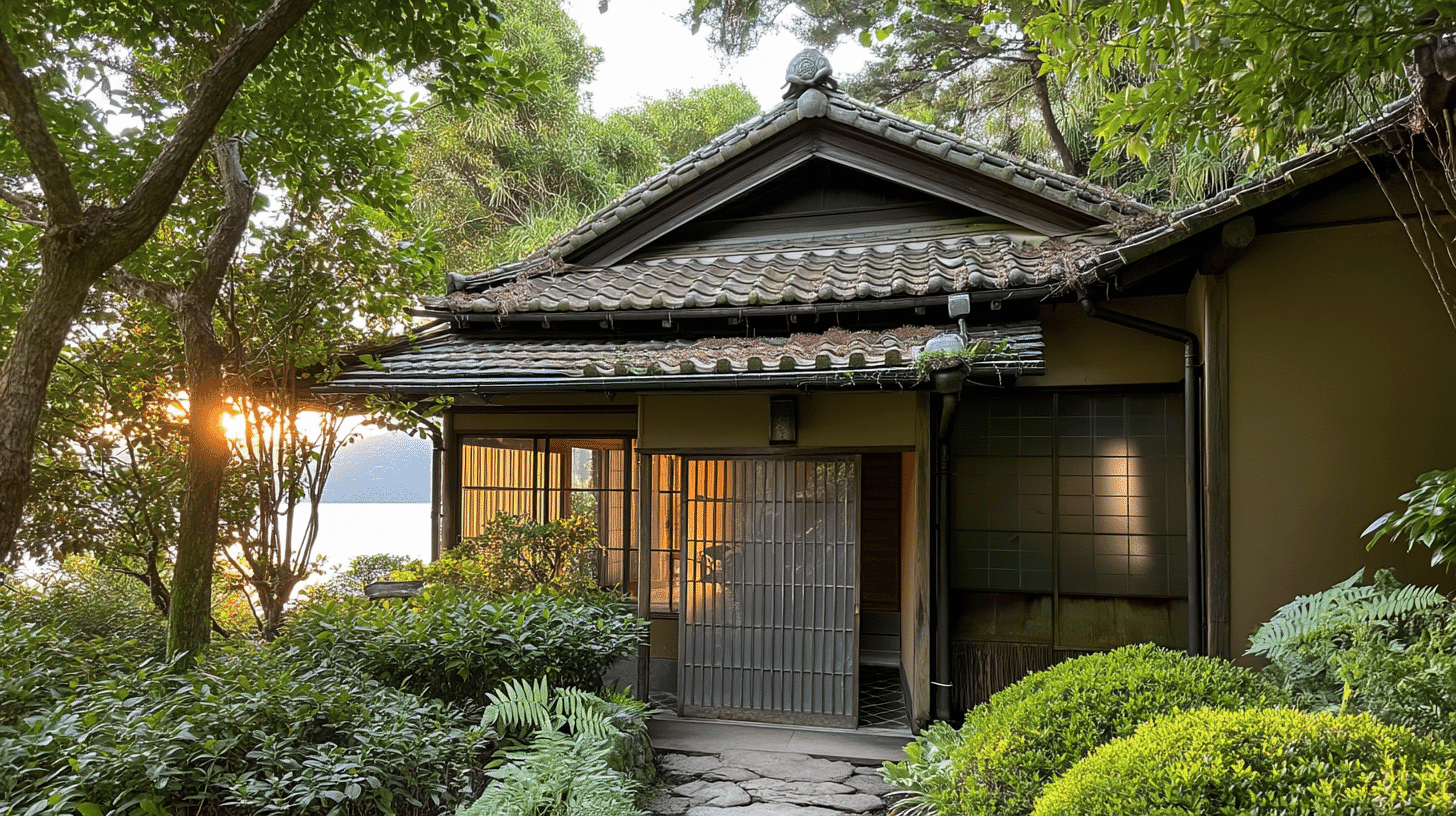
Hidden on a peaceful hillside overlooking the serene waters of Mikawa Bay stands Ousyukutei, a remarkable testament to Japan's refined tea culture and architectural heritage. Built in 1916 during the Taisho era, this sukiya-style tea house has been carefully preserved as a registered tangible cultural property, offering visitors a rare opportunity to experience authentic Japanese aesthetics within a functioning cultural landmark.
What makes Ousyukutei truly special is its harmonious blend of traditional craftsmanship and natural beauty. The building was originally constructed as an annex tea room for the renowned Tokiwakan ryokan, a luxury inn that hosted literary giants and cultural luminaries throughout the early 20th century. Today, as part of the historic Gamagori Classic Hotel complex, Ousyukutei has been thoughtfully renovated into an exclusive accommodation facility while maintaining its cultural authenticity.
Architectural Excellence: The Art of Sukiya-Style Construction
Ousyukutei exemplifies the refined aesthetic principles of sukiya-style architecture, a Japanese building tradition that emerged from tea ceremony culture. Unlike formal shoin-style architecture with its rigid rules and hierarchical spaces, sukiya design embraces natural materials, asymmetry, and organic beauty.
The structure showcases several distinctive architectural features that earned it cultural property status. The single-story building features a complex irimoya-style roof covered with traditional ceramic tiles, creating elegant curves that seem to flow with the surrounding landscape. Natural log pillars throughout the structure retain their organic bark and grain patterns, celebrating the inherent beauty of untreated wood rather than concealing it beneath polished surfaces.
One of Ousyukutei's most innovative features for its era was the incorporation of large glass windows and doors. While maintaining the intimate scale and natural materials of traditional tea rooms, the architect made the bold choice to frame spectacular views of Mikawa Bay through modern glazing. This thoughtful integration of contemporary elements with traditional design demonstrates the building's forward-thinking character while respecting tea ceremony principles.
The interior layout follows a traditional progression: visitors enter through the west-facing entrance, proceed along a tatami-matted corridor, pass through an antechamber, and arrive at the main eight-mat guest room facing southeast. This room features built-in shelving and a tokonoma alcove typical of formal Japanese spaces. To the southwest lies a three-mat tea ceremony room with an attached mizuya preparation area, maintaining the original tea house functionality.
Cultural Significance: Why Ousyukutei Earned National Recognition
Ousyukutei received designation as a registered tangible cultural property on February 17, 2022, joining an elite group of architecturally and historically significant buildings protected under Japanese cultural heritage law. This recognition acknowledges multiple aspects of the structure's importance.
The building represents a pivotal moment in Japanese architectural history when traditional craftsmanship began incorporating Western influences and modern materials. The glass windows overlooking Mikawa Bay demonstrate how Japanese architects of the 1910s were experimenting with ways to maintain cultural identity while embracing technological innovation. This delicate balance between tradition and modernity makes Ousyukutei an important example of Taisho-era cultural evolution.
Furthermore, as part of the Gamagori Hotel complex, Ousyukutei connects to a larger narrative about Japan's early tourism industry. When the main Gamagori Hotel opened in 1934, it became the first facility designated as an international tourist hotel by Japan's Railway Ministry, marking the country's serious commitment to welcoming foreign visitors. Ousyukutei's earlier construction as part of Tokiwakan ryokan places it within this pioneering hospitality tradition.
The preservation of authentic tea ceremony spaces like Ousyukutei's three-mat room and mizuya provides invaluable insights into how tea culture was practiced and experienced in early 20th-century Japan. These spaces maintain their original proportions and features, offering researchers and visitors alike a genuine connection to historical tea traditions.
Experiencing Ousyukutei: From Tea Ceremonies to Luxury Accommodation
In June 2025, Ousyukutei reopened as "Saryo Ousyukutei," an exclusive accommodation facility that maintains the building's cultural heritage while providing modern comfort. This transformation allows guests to experience living within a cultural property, a rare privilege that brings historical architecture to life through contemporary use.
The renovation preserved the building's Taisho-era character while carefully integrating essential modern amenities. The original tea room spaces remain intact and functional, with guests able to arrange authentic tea ceremony or incense ceremony experiences upon request. This provides a unique opportunity to practice these traditional arts within their proper historical and architectural context. Even the mizuya preparation area, typically hidden from view, can be explored, offering insights into the practical aspects of tea ceremony that visitors rarely encounter.
Beyond cultural experiences, Ousyukutei now features natural hot spring baths and a sauna, allowing guests to enjoy the therapeutic waters that have made the Gamagori area famous. The accommodation includes modern sleeping quarters, powder rooms, and contemporary infrastructure, all seamlessly integrated to avoid disrupting the building's historical character.
Dining arrangements showcase another aspect of the Gamagori Classic Hotel experience. Guests staying at Ousyukutei enjoy exclusive meals either at the hotel's main dining room, which serves authentic French cuisine, or at Rokkakudo, a teppanyaki restaurant housed in another registered cultural property building from 1936. Breakfast features special limited menus created specifically for Ousyukutei guests.
The Gamagori Classic Hotel Legacy: A Collection of Cultural Properties
Ousyukutei forms part of a remarkable concentration of historic buildings at Gamagori Classic Hotel. The property includes four structures designated as registered tangible cultural properties, creating a unique architectural ensemble that spans nearly a century of Japanese hospitality design.
The main hotel building, completed in 1934, exemplifies the castle-inspired architectural style popular for prestigious hotels during that era. Its exterior presents elegant curves reminiscent of Japanese castle architecture, while the interior showcases sophisticated Art Deco design elements. This building achieved the distinction of being Japan's first internationally designated tourist hotel, making it a landmark in the country's tourism history.
Rokkakudo, originally called Shubido and built in 1936, features a distinctive hexagonal design with glazed tiles and traditional roof ornamentation. Now operating as a teppanyaki restaurant, it demonstrates how cultural properties can be adapted for contemporary use while maintaining their architectural integrity.
The entire complex sits within grounds famous for seasonal beauty. The expansive garden transforms throughout the year, beginning with plum blossoms and early cherry varieties, followed by azaleas and satsuki in spring, and concluding with brilliant maple foliage in autumn. In April, the property hosts a special azalea festival celebrating one of the area's most spectacular displays.
Exploring the Surrounding Area: Takeshima Island and Mikawa Bay
The location of Ousyukutei offers convenient access to one of Aichi Prefecture's most distinctive natural landmarks. Takeshima Island, visible from the tea house windows, stands as a designated national natural monument due to its unique ecosystem. Despite being located just 400 meters from shore, the island supports plant species significantly different from the mainland, creating a botanical puzzle that has fascinated researchers.
A 387-meter pedestrian bridge, known locally as the "bridge of romantic connection," links Takeshima to the mainland. The island itself hosts Yaotomi Shrine, one of Japan's seven sacred Benzaiten shrines, dedicated to deities of fortune, safe childbirth, and romantic relationships. Four additional shrines dot the small island, making the entire landmass a sacred space. Visitors can walk the island's perimeter path in 30 to 60 minutes, experiencing both spiritual and natural beauty.
The surrounding Mikawa Bay area offers additional attractions. The bay's calm waters provide ideal conditions for marine sports and recreational activities. Gamagori is also known for its hot spring resorts, collectively called Gamagori Onsen, which draw visitors seeking relaxation and therapeutic bathing. The region produces famous Gamagori mandarins, and seasonal fruit picking opportunities abound throughout the year, from strawberries to grapes and melons.
Transportation to the area is straightforward. From Nagoya, visitors can take the JR Tokaido Main Line or Meitetsu Gamagori Line to Gamagori Station, approximately a 15-minute walk or short bus ride from the hotel. By car, the hotel is accessible via the Otowa-Gamagori IC exit on the Tomei Expressway, approximately 15 minutes via the Mikawa Bay Orange Road.
Literary and Cultural Connections
The history of Tokiwakan ryokan, Ousyukutei's original home, intertwines with Japan's literary golden age. The ryokan's founder, Takigoro Taki, developed an innovative marketing strategy by inviting renowned authors to stay for extended periods at no charge. In exchange, these writers incorporated Gamagori, Takeshima Island, and Tokiwakan into their literary works.
This arrangement attracted luminaries including Kan Kikuchi and Yasunari Kawabata, whose works helped establish Gamagori as a cultural destination. The presence of these writers elevated the area's reputation beyond its natural beauty, creating associations with artistic refinement and intellectual pursuit that persist today.
The continuation of this cultural legacy is evident in Gamagori Classic Hotel's membership in the prestigious Japan Classic Hotel Association. Established in 2017, this organization unites nine historic hotels that have maintained pre-war architectural and design elements while continuing to provide exceptional hospitality. This membership places Ousyukutei and its parent property within a national conversation about preserving and experiencing Japan's hospitality heritage.
- 📍 Plan Your Visit to Aichi
- Find tours, activities & transport passes near Gamagori Classic Hotel Oshukutei (former Tokiwakan Annex Tea
- [ Nagoya Castle & Atsuta Shrine History Tours ]
Q&A
- Can visitors experience tea ceremony at Ousyukutei without staying overnight?
- Ousyukutei currently operates as an exclusive accommodation facility, and tea ceremony experiences are primarily available to overnight guests. However, it's worth contacting Gamagori Classic Hotel directly to inquire about any special day-visit programs or cultural events that might occasionally allow non-guests to experience the tea room. The hotel sometimes hosts special cultural programs that may include limited access to the tea house facilities.
- What makes sukiya-style architecture different from other traditional Japanese building styles?
- Sukiya-style architecture emphasizes natural materials, asymmetry, and refined simplicity rather than the formal rules of shoin-style buildings. Key features include the use of logs with bark intact, natural wood grain left visible, earth walls, and the integration of tea ceremony design principles. Unlike the hierarchical, symmetrical layouts of formal samurai residences, sukiya spaces embrace organic beauty and intimate scales, creating environments that encourage contemplation and appreciation of subtle details.
- How many cultural properties are located at Gamagori Classic Hotel?
- Four buildings at Gamagori Classic Hotel are designated as registered tangible cultural properties: Ousyukutei (the tea house, built 1916), the main hotel building (built 1934), Rokkakudo/former Shubido (built 1936), and THE COVE/former Ume Annex (built 1916). Together, these structures create an exceptional concentration of early 20th-century Japanese hospitality architecture, with the main building also recognized as a modernization industrial heritage site and designated as Gamagori City's first important scenic structure.
- What is the best season to visit Gamagori and Ousyukutei?
- Each season offers distinct appeals. Spring (April-May) brings spectacular azalea displays during the tsutsuji matsuri festival, along with cherry blossoms and fresh greenery. Summer provides warm weather ideal for exploring Takeshima Island and enjoying Mikawa Bay. Autumn (November) features stunning maple foliage throughout the hotel grounds. Winter offers quieter experiences and opportunities to see migratory birds arriving at Mikawa Bay. The ocean views from Ousyukutei's windows remain beautiful year-round, with seasonal light changes creating different moods throughout the day.
- Are English-speaking services available for international visitors?
- As a member of the Japan Classic Hotel Association and with a history dating back to Japan's first international tourist hotel designation, Gamagori Classic Hotel maintains services for international guests. However, it's advisable to communicate with the hotel in advance about specific language needs, particularly if arranging cultural experiences like tea ceremony or requiring detailed explanations about the buildings' historical significance. The hotel's international heritage means staff understand the importance of accommodating overseas visitors, though the level of English fluency may vary.
Basic Information
| Property Name | Gamagori Classic Hotel Ousyukutei (Former Tokiwakan Annex Tea Room) |
|---|---|
| Built | 1916 (Taisho 5) |
| Architectural Style | Single-story sukiya-style, irimoya-style tiled roof |
| Cultural Designation | Registered Tangible Cultural Property (February 17, 2022) |
| Location | Gamagori Classic Hotel, 15-1 Takeshima-cho, Gamagori City, Aichi Prefecture |
| Access | 15 minutes walk or 5 minutes by bus from JR Gamagori Station; 15 minutes by car from Tomei Expressway Otowa-Gamagori IC |
| Current Use | Exclusive accommodation facility (reopened June 2025) |
| Facilities | Tea ceremony room, hot spring bath, sauna, sleeping quarters, powder room |
| Special Features | Natural log construction, views of Mikawa Bay, authentic tea ceremony space with mizuya |
| Cultural Experiences | Tea ceremony (sadō), incense ceremony (kōdō) available by reservation |
| Contact | Gamagori Classic Hotel: +81-533-68-1111 |
References
- Gamagori Classic Hotel Ousyukutei (Former Tokiwakan Annex Tea Room) - Cultural Heritage Online
- https://bunka.nii.ac.jp/heritages/detail/584026
- Gamagori Classic Hotel - Wikipedia
- https://ja.wikipedia.org/wiki/蒲郡クラシックホテル
- Saryo Ousyukutei - Gamagori Classic Hotel Official Website
- https://gamagori-classic-hotel.com/hotel/ousyukutei/
- Hotel History - Gamagori Classic Hotel Official Website
- https://gamagori-classic-hotel.com/hotel/history/
- Takeshima Island - Gamagori City Tourism Association
- https://www.gamagori.jp/spot/750
- Gamagori Classic Hotel - Japan Classic Hotel Association
- https://jcha.jp/gamagoriclassichotel.php
Last verified: 2025.11.12
Nearby heritages
- Gamagori Classic Hotel Ryotei Takeshima (formerly Tokiwakan
- 451-1 Takeshimacho, Gamagori City, Aichi Prefecture, and other locations
- Gamagori Classic Hotel Main Building (Former Gamagori Hotel
- 452 Takeshimacho, Gamagori City, Aichi Prefecture
- Gamagori Classic Hotel Rokkakudo (formerly Gamagori Hotel
- 451-1 Takeshimacho, Gamagori City, Aichi Prefecture, and other locations
- Porcelain-Made Flower Lotus Heron Pattern Vase
- 4-7-2 Ishizaka, Dazaifu City
- Yaotomi Shrine Grove
- Takeshimacho, Gamagori City
- Mitani Town Kita Ward Float Warehouse
- 153-1 Shichiho, Mitani-cho, Gamagori City, Aichi Prefecture, and other locations
- Byungsok Collection
- 10-22 Sakaemachi, Gamagori City
- Oshima Amphioxus Habitat
- Mitani Town, Gamagori City
- Kiyota's Giant Camphor
- Kiyotacho, Gamagori City
- Temple Bell
- 1188 Sakaemachi, Gamagori City, Aichi Prefecture