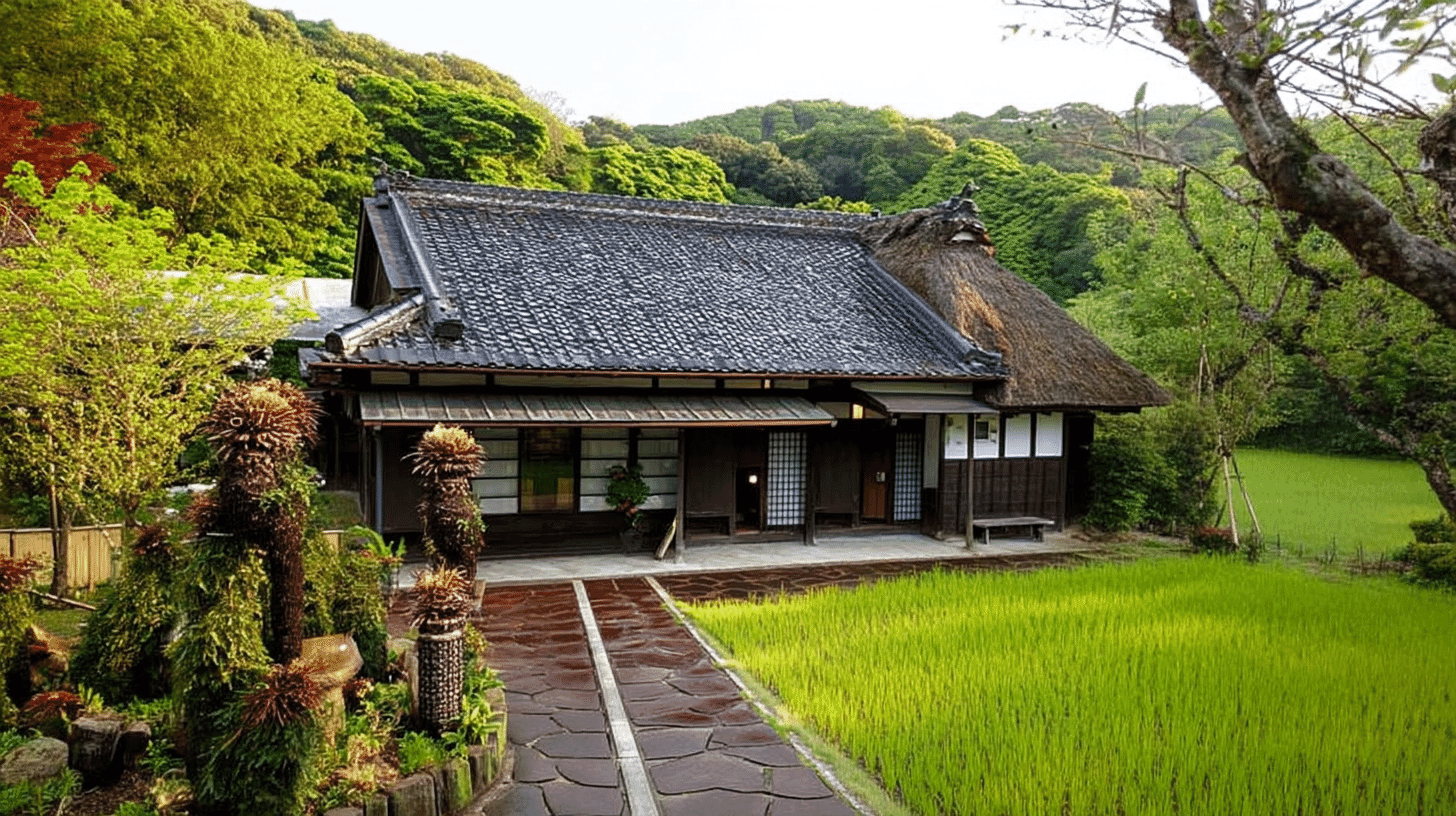
Hara Family Residence: Discover a Hidden Meiji-Era Farmhouse Treasure in Hiratsuka, Japan

Explore the Hara Family Residence, a National Registered Tangible Cultural Property in Hiratsuka City. This exceptional compound of four historic buildings—main house, tea room, storehouse, and Edo-period gatehouse—preserves the traditional lifestyle of prosperous Meiji-era farming families in Kanagawa Prefecture.

A Hidden Gem of Meiji-Era Architecture

Nestled in the peaceful hills of northwestern Hiratsuka City, Kanagawa Prefecture, the Hara Family Residence (原家住宅) stands as a remarkable testament to the traditional lifestyle of prosperous farming families in central Japan during the Meiji era. This exceptional compound, registered as a National Registered Tangible Cultural Property in 2019, comprises four historic structures that together paint a vivid picture of rural Japanese life over 130 years ago.

Unlike the bustling tourist corridors of nearby Kamakura or the beachside attractions of Shonan, this residence offers a rare glimpse into authentic Japanese heritage—a compound where time seems to have stood still, surrounded by rolling countryside and serene rural landscapes.

The Four Buildings of the Hara Family Compound

The Hara Family Residence is not a single building but a carefully composed ensemble of four distinct structures, each playing a vital role in the daily life and social standing of this prosperous Meiji-era family.

Main House (主屋 Shuoku)

The centerpiece of the compound is the magnificent main house, constructed during the mid-Meiji period (approximately 1883-1897). This single-story wooden building, spanning an impressive 251 square meters, faces south from its central position on the property. The architecture follows the classic irimoya-zukuri style, featuring a hip-and-gable roof now covered with metal sheeting to preserve the structure.

The interior layout reflects the traditional configuration of wealthy farming households in central Kanagawa. The eastern section houses the doma (earthen-floored area), while the western portion contains the hiruma (open hearth room). Behind these main spaces, the floor plan expands into two rows of rooms, with the formal reception rooms (zashiki) positioned in the front upper section. A distinctive shikidai (formal entrance with a raised platform) extends from the front of the hiruma, indicating the family's elevated social status.

Tea Room (茶室 Chashitsu)

Standing to the west of the main house, the tea room represents one of the most charming elements of this compound. Also dating from the mid-Meiji period, this intimate structure features a traditional yosemune-zukuri (hip roof) design with original thatched roofing—a rarity in modern Japan. The presence of a dedicated tea room speaks volumes about the Hara family's cultural refinement and social aspirations beyond mere farming.

During the Meiji era, the Hara family had evolved from oil merchants to successful financiers, and the tea room reflects their embrace of cultural pursuits befitting their prosperity. The practice of tea ceremony (sado) was traditionally associated with the samurai and merchant classes, and having a dedicated tea room demonstrated the family's cultural sophistication.

Storehouse (土蔵 Dozo)

Located to the east of the main house, the two-story earthen storehouse is a testament to the practical needs and wealth of the household. Built during the mid-Meiji period (with renovations in 1989), this sturdy structure measures 46 square meters and features the classic kirizuma-zukuri (gable roof) design with metal sheet covering.

The exterior showcases a beautiful mortar finish with an exposed aggregate lower section, while the interior has been thoughtfully modernized. Today, this historic storehouse has been converted into an elegant bar space, demonstrating how traditional architecture can find new purpose while maintaining its historical character.

Former Gatehouse (旧長屋門 Kyū Nagayamon)

Perhaps the most intriguing structure in the compound is the former nagayamon (long gate house), which stands on elevated ground at the rear of the property. Originally built during the late Edo period (approximately 1751-1830), this building has a fascinating history of relocation—it was first moved from a temple in Higashimatsuyama, Saitama Prefecture in 1946, and repositioned again in 1990.

This impressive single-story structure spans approximately 24 meters (13 ken) in width, with the central three-bay section serving as the main gateway. The yosemune-zukuri hip roof is covered with copper sheeting. The construction style is deliberately simple yet powerfully executed, with thick pillars secured by horizontal through-beams and robust round-timber framework in the roof structure. This gate house represents an important historical form of nagayamon architecture from the Edo period.

Why This Residence Became a Registered Cultural Property

On November 16, 2018, the Cultural Council's Cultural Properties Subcommittee of Japan's Agency for Cultural Affairs recommended the registration of the four buildings comprising the Hara Family Residence. The official registration was completed on March 29, 2019, making this one of only five registered tangible cultural properties in Hiratsuka City.

The residence earned this prestigious designation for several compelling reasons. First, the compound represents an exemplary preservation of the traditional estate composition of upper-class farming households in central Kanagawa Prefecture. The harmonious arrangement of main house, tea room, storehouse, and gatehouse creates an authentic tableau of how prosperous rural families lived during Japan's transformative Meiji era.

Second, the main house faithfully embodies the traditional folk house architectural style of the region, adapted and refined for the modern sensibilities of the late 19th century. The careful attention to formal spaces like the shikidai and zashiki reflects the family's important social position in the community.

Third, the former nagayamon gatehouse, though relocated, preserves an important historical building form that has become increasingly rare. Its simple yet grand construction style provides valuable evidence of Edo-period architectural practices.

The Hara Family Legacy

The Hara family's history is intertwined with the economic transformation of rural Japan during the Meiji era. Beginning as oil merchants, they expanded their enterprises into the financial sector, accumulating wealth that allowed them to build and maintain this impressive compound. The property stands as evidence of how successful rural families navigated the dramatic changes of the Meiji Restoration, adapting traditional ways while embracing new opportunities.

Visitors who have experienced open house events at the residence note the unexpected opulence of the buildings—far exceeding the simple rusticity often associated with farmhouses of this era. The interior spaces reveal a family that enjoyed the finer things in life, from elaborate reception rooms to the cultured pursuit of tea ceremony.

The property is now owned by Hara Building Co., Ltd., ensuring its continued preservation for future generations. The large steam kettles found near the gatehouse hint at the family's tradition of welcoming villagers for community gatherings—a generous spirit that has been passed down through the generations.

Exploring the Surrounding Area

The Tsuchiya district of Hiratsuka offers a refreshing contrast to the city's urban center. This area retains much of its pastoral character, with rice paddies, ancient burial mounds, and historic temples and shrines dotting the landscape. The region has a distinctly nostalgic atmosphere that feels remarkably untouched by time.

Visitors to the area can extend their cultural exploration to several nearby attractions:

  • Shonan-Daira (湘南平): A panoramic viewpoint offering 360-degree views of Mt. Fuji, Sagami Bay, and the Tanzawa Mountains. Designated as one of "Kanagawa's 50 Scenic Views."
  • Hiratsuka Hachimangu Shrine: One of the Shonan region's most important shrines, founded in 380 CE according to tradition.
  • Kana Garden (花菜ガーデン): A beautiful flower park with seasonal blooms and views of Mt. Fuji.
  • Oiso Town: A neighboring historic post town on the old Tokaido Road with beaches and traditional inns.
  • Tsukagoshi Ancient Burial Mound: One of the rare keyhole-shaped burial mounds (kofun) in Kanagawa Prefecture.

The area is also known for its seasonal "Zaru-giku Garden," where local residents cultivate spectacular chrysanthemum displays each autumn.

Planning Your Visit

It is important to note that the Hara Family Residence is a private property and is not regularly open to the public. However, special viewing events are occasionally organized, providing rare opportunities to experience this remarkable compound firsthand.

For those interested in visiting during a public opening, it is advisable to check with the Hiratsuka City Board of Education's Social Education Division for announcements regarding upcoming events. These occasions offer invaluable chances to step inside one of the region's finest examples of Meiji-era residential architecture.

📍 Plan Your Visit to Kanagawa
Find tours, activities & transport passes near Hara Family Main Building
[ Kamakura Buddha Hakone Onsen & Yokohama Tours ]

Q&A

QCan I visit the Hara Family Residence at any time?
ANo, the Hara Family Residence is a private property and is not regularly open to public visits. However, special open house events are occasionally held. Please contact Hiratsuka City's Social Education Division for information about upcoming viewing opportunities.
QHow do I get to the Tsuchiya area in Hiratsuka?
AFrom JR Hiratsuka Station, take a Kanagawa Chuo Kotsu bus bound for Isehara Station South Exit. The journey takes approximately 20-30 minutes. The area is located in the northwestern hills of Hiratsuka City.
QWhat makes this residence special compared to other historic houses in Japan?
AThe Hara Family Residence is exceptional because it preserves a complete compound of four buildings representing different aspects of prosperous rural life. The combination of main house, tea room, storehouse, and relocated Edo-period gatehouse creates a uniquely comprehensive picture of upper-class farming household life in central Kanagawa.
QIs there an admission fee to visit during open house events?
AInformation about admission fees varies depending on the event. Please inquire directly with Hiratsuka City's Social Education Division when open house events are announced.
QWhat other cultural properties are registered in Hiratsuka City?
ABesides the four buildings of the Hara Family Residence, Hiratsuka City also has the Former Yokohama Rubber Hiratsuka Factory Memorial Hall (also known as Hachimanyama-no-Yokan) as a registered tangible cultural property. Together, these five buildings represent Hiratsuka's important architectural heritage.

Basic Information

Name Hara Family Residence (原家住宅)
Cultural Property Status National Registered Tangible Cultural Property (Buildings)
Registration Date March 29, 2019
Location 2842 Tsuchiya, Hatanomae, Hiratsuka City, Kanagawa Prefecture
Registered Buildings Main House (Shuoku), Tea Room (Chashitsu), Storehouse (Dozo), Former Gatehouse (Kyū Nagayamon)
Construction Period Main House/Tea Room/Storehouse: Mid-Meiji (1883-1897); Gatehouse: Late Edo (1751-1830)
Owner Hara Building Co., Ltd.
Public Access Normally closed; occasional special viewings
Contact Hiratsuka City Social Education Division: 0463-35-8124

References

National Registered Tangible Cultural Property: Hara Family Residence | Hiratsuka City
https://www.city.hiratsuka.kanagawa.jp/bunka/page-c_00304.html
Hara Family Residence Main House | Cultural Heritage Online
https://bunka.nii.ac.jp/heritages/detail/451360
Hara Family Residence Storehouse | Cultural Heritage Online
https://bunka.nii.ac.jp/heritages/detail/431942
Hara Family Residence Former Gatehouse | Cultural Heritage Online
https://bunka.nii.ac.jp/heritages/detail/446543
Hiratsuka City Hara Family Residence | Mizuma Construction Co., Ltd.
https://mizuma.info/2019/12/hiratuka-harake/
Registered Tangible Cultural Properties (Buildings) | Agency for Cultural Affairs
https://www.bunka.go.jp/seisaku/bunkazai/shokai/yukei_kenzobutsu/

Last verified: 2026.01.28

Nearby heritages
