
Important Cultural Property of Kochi
高 知 県 の 重 要 文 化 財Kochi’s Important Cultural Properties — designated for their value to the nation’s cultural history.
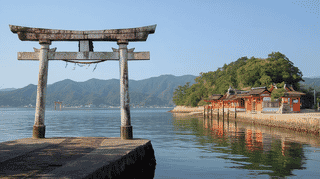
Two Edo-period shrine structures in Kochi Prefecture. Their own value here rests on how very few other cultural properties the region itself holds now.

Discover the Main Hall of Asakura Shrine in Kochi, a nationally designated Important Cultural Property built in 1657. Admire its vivid Momoyama-style polychrome decorations, explore the sacred Mt. Akagi behind, and uncover legends linking this ancient shrine to Empress Saimei.
Kochi is the only Japanese castle where the whole honmaru survives and the original keep and lord's palace stand together, one of just twelve original keeps.
Discover the Kondo (Golden Hall) of Tosa Kokubunji in Nankoku, Kochi. Rebuilt in 1558 by the Chosokabe clan, this Important Cultural Property preserves Tenpyo-style architecture amid moss-covered gardens on the Shikoku 88 Temple Pilgrimage.
Discover Kinrinji Yakushido, an Important Cultural Property nestled in the mountains of Umaji Village, Kochi. This rare Muromachi-period Buddhist hall showcases unique board-eave construction and exquisite cypress craftsmanship dating back over 500 years.
Built around 1797 in Otoyo Town, Kochi, this thatched shoin was the last lodging inside Tosa on the daimyo's overland journey to Edo. Designated in 1974.
Built in 1816 to receive the lords of Tosa, this shoin hall at Chikurinji in Kochi turns its rear rooms toward a pond garden designated a Place of Scenic Beauty.
Chikurinji's main hall at Godaisan in Kochi, designated in 1904, wears Zen-style fan rafters and packed bracketing, with heavenly musicians painted on the ceiling.
Tosa Jinja Koro in Kochi, built by Yamauchi Tadayoshi in 1649, is still filed as temple architecture, a trace of the era when shrine and temple stood as one.
Tosa Jinja Heiden and Haiden in Kochi forms a cross read as a dragonfly entering the sanctuary. Built about 1571 in bare timber, its floors drop in three stages.
Tosa Jinja Romon in Kochi, rebuilt by Yamauchi Tadayoshi in 1631, is an almost undecorated wayo gate whose second storey was given a ceiling and treated as a room.
More from Kochi
Kochi’s registered properties across designations, with featured heritage and travel notes.
The complete kokuhō catalogue — browse by prefecture, period, and category.
Nationwide jūyō bunkazai — architecture, sculpture, painting, crafts, and documents.