— Prefecture · Gunma · 群 馬 県 —

Registered Tangible Cultural Properties of Gunma
群 馬 県 の 登 録 有 形 文 化 財

Gunma · Registered Tangible Cultural Properties

355 total Gunma
Showing 1 – 20 of 355
Shigeta Family Residence Main Building
Gunma 明治 Registered Tangible Cultural Properties
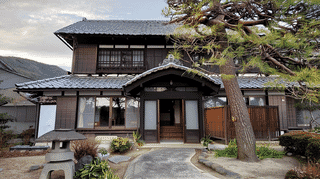
Shigeta Family Residence Main Building

Discover Shigeta House in Tamamura, Gunma - a 300-year-old physician's estate with 7 nationally registered cultural properties. Experience Meiji-era architecture, traditional medicine history, and free doctor costume activities. Open Wed-Fri, free admission.

Ogiwara Family Residence Main Building
Gunma 明治 Registered Tangible Cultural Properties
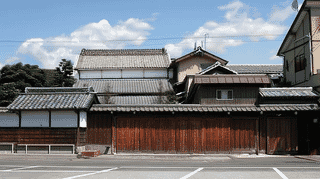
Ogiwara Family Residence Main Building

Discover the Ogiwara Family Residence, a nationally registered cultural property in Kiryu City, Gunma. This Meiji-era merchant home with its traditional storehouse, gate, and walls offers a rare glimpse into Japan's thriving silk textile industry history.

Ikaho Tourist Hotel
Gunma 昭和前 Registered Tangible Cultural Properties
Ikaho Tourist Hotel

Discover the Ikaho Kanko Hotel, a Registered Tangible Cultural Property in Ikaho Onsen, Gunma. Built in 1929 as a Western-style hotel for foreign guests, this wooden three-story building with a five-tiered pagoda tower offers a window into early Showa hospitality and the resort town's international heritage.

Ebara Honke Pawnshop (formerly Asahimachi Pawnshop)
Gunma 明治 Registered Tangible Cultural Properties
Ebara Honke Pawnshop (formerly Asahimachi Pawnshop)

A small early-Meiji pawn storehouse moved to Mt. Akagi, its plaster walls and layered doors marking careful work. Registered in 2025, it is now a Seiho Sanso guest room.

Ebara Honke Jomo Warehouse Building 1
Gunma 昭和中 Registered Tangible Cultural Properties
Ebara Honke Jomo Warehouse Building 1

At the north exit of JR Maebashi Station, No. 1 of the Jomo Soko warehouses is a 1949 concrete building dressed as an older storehouse. The silk firm still works here.

Ebara Honke Jomo Warehouse No. 3 Brick Building
Gunma 明治 Registered Tangible Cultural Properties
Ebara Honke Jomo Warehouse No. 3 Brick Building

One of the oldest brick warehouses by Maebashi Station, No. 3 dates to 1896. Cornices wrap its walls and arched windows run the long front. It once held silk and cocoons.

Ebara Honke Jomo Warehouse Building 7
Gunma 昭和中 Registered Tangible Cultural Properties
Ebara Honke Jomo Warehouse Building 7

At the centre of the Jomo Soko yard, No. 7 is the largest warehouse at 463 square metres. Built in 1950, it stored grain, not silk, under an exposed timber truss.

Ebara Honke Jomo Warehouse No. 2 Brick Building
Gunma 明治 Registered Tangible Cultural Properties
Ebara Honke Jomo Warehouse No. 2 Brick Building

Facing west at the east edge of the yard, No. 2 Brick Warehouse was built in 1896 like No. 3. Cornices and arched windows line its walls; once a silk and cocoon store.

Ebara Honke Seiho Sanso (former Kimura Seishiro Residence)
Gunma 大正 Registered Tangible Cultural Properties
Ebara Honke Seiho Sanso (former Kimura Seishiro Residence)

Built in 1913 as a Bank of Japan deputy governor's villa and moved twice to Mt. Akagi, this refined house pairs tatami rooms with a Western parlour. Registered in 2025.

Kanazen Building
Gunma 大正 Registered Tangible Cultural Properties
Kanazen Building

Discover the Kanezen Building (Kanezen Biru) in Kiryu, Gunma Prefecture — one of the oldest reinforced concrete structures in the prefecture, built around 1921 with Secessionist-style ornamentation. A nationally registered tangible cultural property that reflects Kiryu's golden age as Japan's silk textile capital.

Karasugawa River Upper Sabo Dam
Gunma 昭和中 Registered Tangible Cultural Properties
Karasugawa River Upper Sabo Dam

Discover the Karasugawa Upstream Sabo Dam in Takasaki, Gunma — a 1951 gravity concrete dam registered as a national tangible cultural property. Built with US aid funding and advanced stonework, it creates a stunning waterfall-like landscape in a lush mountain gorge.

Akagisan Summit Station Building and Platform of the Former
Gunma 昭和中 Registered Tangible Cultural Properties
Akagisan Summit Station Building and Platform of the Former

Perched at Torii Pass 1,390 m above sea level, this is the surviving summit terminus of a short-lived cable railway that ran for barely a decade in the late 1950s and 1960s. Designated a Registered Tangible Cultural Property in 2018, the reinforced-concrete station and its stub-end platform now host a panoramic café and railway museum operated year-round by Hobonichi Co., Ltd.

Former Otake Sake Brewery Brick Warehouse
Gunma 大正 Registered Tangible Cultural Properties
Former Otake Sake Brewery Brick Warehouse

Standing in the heart of Maebashi's central district, the Former Otake Sake Brewery Brick Warehouse is a two-story brick structure built in 1923 during the Taisho era. Registered as a national Tangible Cultural Property in 2016, it is the only remaining sake brewery building in downtown Maebashi. The building uniquely blends Western brick masonry with traditional Japanese timber-frame roof construction. Now operating as the Maebashi Arts and Culture Brick Warehouse, it serves as a vibrant multipurpose event hall where history and the arts coexist.

Former Katsuyamasha Brick Storehouse
Gunma 明治 Registered Tangible Cultural Properties
Former Katsuyamasha Brick Storehouse

The Former Katsuyama-sha Brick Warehouse in Maebashi City, Gunma Prefecture, is a nationally registered Tangible Cultural Property built in 1902. Originally constructed for the Katsuyama-sha textile company founded by silk merchant Katsuyama Sozaburo, this two-story brick storehouse features exquisite over-fired bricks in English bond pattern with traditional Japanese kura-style design elements. Discover this hidden gem of Japan's Meiji-era silk industry heritage.

Former Matsuoka Shoten Storehouse
Gunma 昭和前 Registered Tangible Cultural Properties
Former Matsuoka Shoten Storehouse

Discover the Former Matsuoka Store Warehouse in Kiryu, Gunma Prefecture — a nationally registered tangible cultural property built in 1935 that preserves the legacy of Japan's textile trading heritage in a charming two-story storehouse.

Former Matsuoka Shoten Office
Gunma 昭和前 Registered Tangible Cultural Properties
Former Matsuoka Shoten Office

Discover the Former Matsuoka Shoten Office in Kiryu, Gunma Prefecture — a 1935 registered tangible cultural property that blends Western-style brick-tile facades with traditional Japanese craftsmanship, offering a window into Japan's thriving Showa-era textile industry.

Kiryu Textile Hall Old Building
Gunma 昭和前 Registered Tangible Cultural Properties
Kiryu Textile Hall Old Building

Discover Kiryu Textile Hall Former Building (Kiryu Orimono Kaikan Kyukan), a 1934 Registered Tangible Cultural Property in Gunma Prefecture. This retro-modern scratch tile landmark tells the story of Kiryu's 1,300-year silk weaving tradition and now serves as a textile memorial hall with exhibitions and shopping.

Kiryu City Waterworks Bureau Taka Ward Reservoir
Gunma 昭和前 Registered Tangible Cultural Properties
Kiryu City Waterworks Bureau Taka Ward Reservoir

The High-District Distribution Reservoir on Suidōyama in Kiryu City, Gunma Prefecture, is a reinforced concrete waterworks facility built in 1932. Part of a remarkably complete network of early Shōwa-era water supply infrastructure — a rarity in Japan — it is registered as a national Tangible Cultural Property. Explore this hidden heritage gem alongside panoramic views from Suidōyama Park and the Ōkawa Museum of Art, set against the backdrop of Kiryu's 1,300-year textile tradition.

Gunma Hall
Gunma 昭和前 Registered Tangible Cultural Properties
Gunma Hall

Discover Gunma Kaikan in Maebashi, a 1930 Renaissance-style public hall designed by architect Koichi Sato. Registered as a National Tangible Cultural Property, this historic landmark features scratch-tile facades, art glass windows, and a beloved basement restaurant.

Gunma Prefectural Government Office Main Building
Gunma 昭和前 Registered Tangible Cultural Properties
Gunma Prefectural Government Office Main Building

Discover the Gunma Prefectural Government Main Building, Japan's first prefectural government building registered as a Tangible Cultural Property. Designed by architect Sato Koichi in 1928, this elegant Western-style building in Maebashi features scratch tile facades and Art Deco details.