
Registered Tangible Cultural Properties of Fukuoka
福 岡 県 の 登 録 有 形 文 化 財Fukuoka · Registered Tangible Cultural Properties
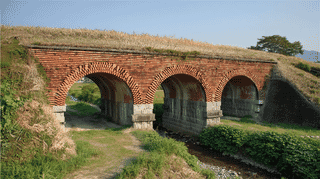
Explore the Uchida Triple Bridge (Uchida Sanren Kyōryō), a beautifully preserved 1895 brick arch railway bridge in Fukuoka Prefecture. This Registered Tangible Cultural Property showcases unique dual construction styles and tells the story of Japan's industrial revolution.
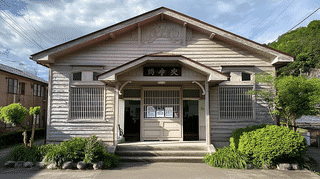
Discover Kyu-Daigaku-yu, a 1932 bathhouse-turned-cultural hub in Fukuoka's Hakozaki district. Explore this registered tangible cultural property that served students for 80 years and now hosts creative events near historic Hakozaki Shrine.
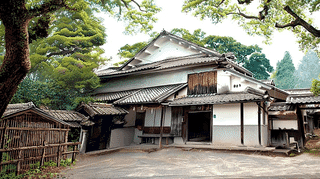
Discover Kusumori Kawakita Residence, a Nationally Registered Tangible Cultural Property in Ukiha, Fukuoka. This historic estate features 8 traditional buildings dating from the Edo to Taisho periods, preserving 800 years of Japanese heritage including the rare Kabeyui bamboo fence tradition.

Discover Art Space Taniwo in Nogata City, Fukuoka—a nationally registered Taisho-period bank building blending brick-tile façades, Secession-style details, and a distinctive corner turret that tells the story of Chikuho's coal-fueled prosperity.
Straddling Aka Village and Miyako Town in Fukuoka Prefecture, the Second Ishizaka Tunnel is a 75-meter brick tunnel built in 1895 by the Hōshū Railway Company. As the oldest surviving railway tunnel in Kyushu, it remains in daily active service on the Heisei Chikuhō Railway Tagawa Line and stands as a symbol of Meiji-era Japan-Germany technical exchange through the guidance of engineer Hermann Rumschöttel. It was registered as a National Registered Tangible Cultural Property in 1999.
The Ishihara Shōten Store in Nogata City, Fukuoka, is a two-story wooden merchant house built in 1926 and registered as a National Tangible Cultural Property. Together with the adjacent Maedaen Honten Store, it forms one of the most evocative historic streetscapes along the former Nagasaki Kaidō highway, featuring a distinctive three-tiered façade, a partial double-height shop interior, and a traditional second-floor zashiki.
Built in 1907 beside the old Nakatsu Kaido in Buzen, Fukuoka, this merchant house carries plaster quoins upstairs and a shop below. Registered in 2021.
A 4.8-metre tiled wall of the late Meiji period in Buzen, Fukuoka, with posts at one-ken bays, open transoms and a plank gate. Registered nationally in 2021.
The Former Osaka Shosen Building in Mojiko, Kitakyushu City, Fukuoka, was completed in 1917 as the Moji branch of the Osaka Shosen shipping company and is registered as a Tangible Cultural Property of Japan. Designed by Kawai Ikuji, a pioneer of Osaka architecture, it features striking orange tiles, white granite bands, and a distinctive octagonal tower. The building is celebrated for blending Tatsuno-style Free Classic with Vienna Secession influences, and today serves as a cultural hub of the Mojiko Retro district.
Discover the Kyushu Tategu Woodworking Factory Warehouse in Okawa, Fukuoka — a nationally Registered Tangible Cultural Property built in 1956 that embodies the postwar prosperity of Japan's leading furniture-producing town.
Discover the Kyushu Maxell Red Brick Memorial Hall (former Mitsubishi Hojo Coal Mine Workshop), a nationally registered tangible cultural property in Fukuchi, Fukuoka. This striking brick building from 1904 preserves the legacy of Japan's Chikuho coalfield era.
The Former Tamanoi Ryokan in Fukutsu City, Fukuoka Prefecture, is a two-story wooden inn built in 1909 and registered as a National Registered Tangible Cultural Property in 2025. As the sole surviving wooden ryokan in the historic Tsuyazaki Sengen district, it preserves the architectural heritage of an era when seaside resorts flourished along northern Fukuoka's coastline.
A 1934 guest house in Tagawa, Fukuoka, roofed in copper and known as the Akagane Goten. Its upper hall has a coved coffered ceiling and a veranda facing Kawaradake.
Built in 1914 on rising ground in Tagawa, Fukuoka, this tiled house pairs a gabled two-storey block with a six-room single-storey wing. Registered in 2011.
Furukawa Mining raised this brick office on a wedge-shaped Wakamatsu corner in 1919. Twin turrets, tall paired windows, saved from demolition by 46,000 signatures.
This twin-gabled brick substation of around 1909 in Omuta converted AC into the DC that drove the Miike Coal Mine Railway. Now an office; exterior viewing only.
This 31.2-metre brick chimney of 1888 vented the boilers of the Miyaura Pit. The last chimney left at Miike, it is free to visit in Miyaura Coal Memorial Park.
The Former Miidera Pumping Station and Substation in Kurume, Fukuoka, is a brick waterworks of 1933 with arched windows and king-post trusses, registered in 2008.
A 45-meter brick chimney of 1908 in Tagawa's Coal Memorial Park, laid in English bond to draft the mine's boiler house. Among the largest Meiji brick stacks left.
A 45-meter brick chimney of 1908 in Tagawa's Coal Memorial Park, octagonal at its base. With its twin it forms the two chimneys sung in the Tanko Bushi coal-mining song.
More from Fukuoka
Fukuoka’s registered properties across designations, with featured heritage and travel notes.
The complete kokuhō catalogue — browse by prefecture, period, and category.
Nationwide jūyō bunkazai — architecture, sculpture, painting, crafts, and documents.