
Meiji
Fukuoka · 明治Browse Fukuoka’s cultural heritage from the Meiji period (1868 – 1912). Filter by type and keyword, with concise stories, maps, and travel tips.
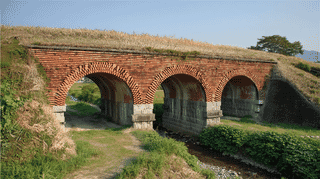
Explore the Uchida Triple Bridge (Uchida Sanren Kyōryō), a beautifully preserved 1895 brick arch railway bridge in Fukuoka Prefecture. This Registered Tangible Cultural Property showcases unique dual construction styles and tells the story of Japan's industrial revolution.
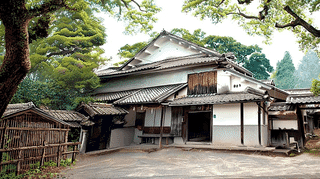
Discover Kusumori Kawakita Residence, a Nationally Registered Tangible Cultural Property in Ukiha, Fukuoka. This historic estate features 8 traditional buildings dating from the Edo to Taisho periods, preserving 800 years of Japanese heritage including the rare Kabeyui bamboo fence tradition.

Discover the Former Fukuoka Prefecture Public Hall VIP Pavilion (Kihinkan), an Important Cultural Property in Fukuoka City. Built in 1910 in French Renaissance style, this elegant wooden Western-style building features marble fireplaces, ornate ceilings, and a charming café in Tenjin Central Park.
Straddling Aka Village and Miyako Town in Fukuoka Prefecture, the Second Ishizaka Tunnel is a 75-meter brick tunnel built in 1895 by the Hōshū Railway Company. As the oldest surviving railway tunnel in Kyushu, it remains in daily active service on the Heisei Chikuhō Railway Tagawa Line and stands as a symbol of Meiji-era Japan-Germany technical exchange through the guidance of engineer Hermann Rumschöttel. It was registered as a National Registered Tangible Cultural Property in 1999.
Built in 1907 beside the old Nakatsu Kaido in Buzen, Fukuoka, this merchant house carries plaster quoins upstairs and a shop below. Registered in 2021.
A 4.8-metre tiled wall of the late Meiji period in Buzen, Fukuoka, with posts at one-ken bays, open transoms and a plank gate. Registered nationally in 2021.
Discover the Kyushu Maxell Red Brick Memorial Hall (former Mitsubishi Hojo Coal Mine Workshop), a nationally registered tangible cultural property in Fukuchi, Fukuoka. This striking brick building from 1904 preserves the legacy of Japan's Chikuho coalfield era.
The Former Tamanoi Ryokan in Fukutsu City, Fukuoka Prefecture, is a two-story wooden inn built in 1909 and registered as a National Registered Tangible Cultural Property in 2025. As the sole surviving wooden ryokan in the historic Tsuyazaki Sengen district, it preserves the architectural heritage of an era when seaside resorts flourished along northern Fukuoka's coastline.
This twin-gabled brick substation of around 1909 in Omuta converted AC into the DC that drove the Miike Coal Mine Railway. Now an office; exterior viewing only.
This 31.2-metre brick chimney of 1888 vented the boilers of the Miyaura Pit. The last chimney left at Miike, it is free to visit in Miyaura Coal Memorial Park.
A 45-meter brick chimney of 1908 in Tagawa's Coal Memorial Park, laid in English bond to draft the mine's boiler house. Among the largest Meiji brick stacks left.
A 45-meter brick chimney of 1908 in Tagawa's Coal Memorial Park, octagonal at its base. With its twin it forms the two chimneys sung in the Tanko Bushi coal-mining song.
A 28-meter steel headframe of 1909 in Tagawa's Coal Memorial Park. Its two head sheaves raised the Ita Shaft's coal, and it is the only steel headframe left in Chikuho.
Completed in 1911 as the Kusano Bank head office at Kurume, Fukuoka, this wooden building with a chidori gable porch was registered in 1999 and is now a museum.
This 1908 stone gate at Kurume, Fukuoka wraps the former Kusano Bank garden in an L shape, its plinth carrying arabesque ironwork. Registered as heritage in 1999.
The largest storehouse at the Kusumori Kawakita Residence in Ukiha, Fukuoka. This early-Meiji building is two-storied on the west and open to the roof on the east.
A detached guest wing at the Kusumori Kawakita Residence in Ukiha, Fukuoka. Built in refined sukiya style, it was the birthplace of art historian Kawakita Michiaki.
A registered building at the Kusumori Kawakita Residence in Ukiha, Fukuoka. Its floorboards bear an 1861 date, but it was likely moved and remodeled in late Meiji.
Discover the Chūai Tunnel, an 1889 brick-and-stone tunnel in Fukuoka Prefecture registered as a national Tangible Cultural Property. Learn about its role in Japan's coal transport history and its literary connections.
The largest of three brick miso storehouses facing a Yanagawa canal, roofed with a Western king post truss and bound to its neighbours by one sawtooth brick cornice.