
Registered Tangible Cultural Properties of Oita
大 分 県 の 登 録 有 形 文 化 財Oita · Registered Tangible Cultural Properties
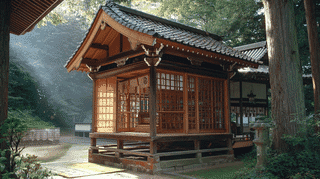
A very small Meiji-period timber shrine building in Bungo-Takada, Oita Prefecture, Japan. It is registered there rather than being designated even now.
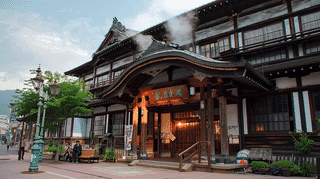
Discover Takegawara Onsen, a Registered Tangible Cultural Property in Beppu, Japan. Experience traditional sand baths and soak in healing waters inside this stunning 1938 wooden bathhouse with karahafu architecture. Complete visitor guide with access, hours, and tips.
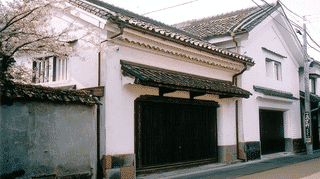
Explore the Yoshikawa Family Residence Storehouse (Yoshikawa-ke Jutaku Dozo), a Registered Tangible Cultural Property from 1878 in Taketa City, Oita Prefecture. This beautifully preserved earthen storehouse reveals the authentic atmosphere of a historic sake brewery in Japan's castle town.

Discover the Kajiwara Family Residence Storehouse, a nationally Registered Tangible Cultural Property built around 1907 in the historic castle town of Hiji, Oita Prefecture. Explore its Meiji-era dozo architecture, the merchant heritage of Beppu Bay, and nearby attractions.
The west gate of Mikasayama Kasuga Shrine in Bungotakada, Oita, is a late Edo yakuimon just 1.9 metres wide, its timber painted red. Registered in 2011.
Built in 1921, the worship hall of Mikasayama Kasuga Shrine in Bungotakada, Oita, runs nine bays wide and opens on three sides, echoing the plan of Usa Jingu.
The late Edo main hall of Mikasayama Kasuga Shrine in Bungotakada, Oita, is a three-bay gabled sanctuary of bare zelkova housing four deities. Registered in 2011.
An 1877 machiya on Usuki's Hatcho Oji arcade, with four latticed windows in white plaster and an earth-floored shop below. Kagiya has brewed here since 1600.
Built in 1894 at the Nishinoseki brewery in Kunisaki, Oita, the Kayashima Shuzo Kyu-Muromae cooled freshly made koji. Registered in 1998, it is the oldest here.
The Kayashima Shuzo Komegura of 1916 fronts the road in Kunisaki, Oita: a two-storey earthen rice store clad in boards to the upper windows. Registered in 1998.
At 1,123 square metres the Kayashima Shuzo Shikomigura of 1914 is the largest building at this brewery in Kunisaki, Oita, and its trussed roof marks a leap in scale.
The Kayashima Shuzo Nakagura of 1915 runs some 47 metres end to end, a building shaped around the pressing of sake. Its walls are boarded and its roof trussed.
The Kayashima Shuzo Mokubei of 1935 runs 65 metres along the southern edge of this brewery in Kunisaki, Oita: a brick plinth, timber posts, an iron-sheeted roof.
Smallest of the twelve registered structures at this Kunisaki brewery in Oita, the Kayashima Shuzo Monguchi Soko of 1916 is half gateway, half storeroom.
Discover the Former Arinaga Residence Annex in Kunisaki, Oita Prefecture—a Meiji-era wooden building registered as a national tangible cultural property. Explore its elegant architecture, Rokugo Manzan Buddhist heritage, and the story of Petro Kasui Kibe nearby.
Jodoji Genkan oyobi Watariroka links Jodo-ji's main hall to its priests' quarters in Oita City. Its raised corridor reputedly reuses doors from a Funai lord's barge.
Jodoji Dai-Benzaiten Sekigu is a 2.3-square-metre stone shrine of 1911 at Jodo-ji, Oita City, carved from local tuff with brackets, rafters and a gable pendant.
Jodoji Hondo, the 1849 main hall of Jodo-ji in Oita City, is a Registered Tangible Cultural Property: seven bays wide, with carved brackets above the altar posts.
The stone bridge and channel wall before the gate of the Higashi Betsuin in Usa. A late-Edo girder bridge, 9.5 m wide with nine cambered girders, framing the front.
The sutra repository of the Higashi Betsuin in Usa, completed in 1799, the compound's oldest building. Inside turns an octagonal revolving case in a fine storehouse.
More from Oita
Oita’s registered properties across designations, with featured heritage and travel notes.
The complete kokuhō catalogue — browse by prefecture, period, and category.
Nationwide jūyō bunkazai — architecture, sculpture, painting, crafts, and documents.