
Historic Sites, Places of Scenic Beauty, and Natural Monuments of Aomori
青 森 県 の 史 跡 名 勝 天 然 記 念 物Aomori · Historic Sites, Places of Scenic Beauty, and Natural Monuments
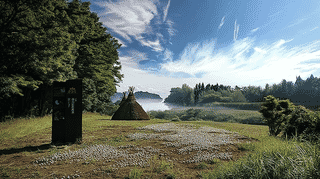
Explore Tagoyano Shell Mound, a UNESCO World Heritage Site in Tsugaru, Aomori. This 6,000-year-old Jomon period archaeological site reveals ancient shell bracelet workshops, trade routes to Hokkaido, and rare human remains preserved by shell deposits. Plan your visit with access guides, museum info, and nearby attractions.

The Chōshichiyachi Shell Mound in Hachinohe City, Aomori Prefecture, is a National Historic Site dating from the Initial Jōmon period (c. 6,000 BCE). With remains of approximately 30 shellfish species and sophisticated bone fishing tools, it reveals how Japan's earliest coastal communities adapted to marine environments during the Jōmon marine transgression. An associated asset of the UNESCO World Heritage Jomon Prehistoric Sites in Northern Japan, artifacts are displayed at the Hachinohe City Museum.
The Tsushima Family Garden in Origasa, Hirosaki, was designated a National Place of Scenic Beauty in 2020. This residential garden of the Ōishi Bugaku-ryū school was begun in 1928 by Ikeda Teigetsu and completed by Tonosaki Teiyō in the late 1940s. Its diagonal axial composition gives a small site remarkable depth and represents the inheritance and deepening of Tsugaru's distinctive garden tradition. Although privately owned and not open to the public, the same design language can be experienced at nearby Zuirakuen and Seibien.
Explore the Tosaminato archaeological site in Goshogawara, Aomori — a National Historic Site that was once one of Japan's greatest medieval trading ports, rivaling Hakata. Discover the Andō clan's legacy, excavated ruins, and stunning Lake Jūsan scenery.
Discover Narita-shi Teien, a National Place of Scenic Beauty in Hirosaki, Aomori. This intimate dry landscape garden by master Ikeda Teigetsu showcases the rare Oishi Bugaku-ryu tradition with Mt. Iwaki as borrowed scenery.
Discover Hamashiriya Shell Mound, a nationally designated historic site in Aomori's Higashidōri Village. This rare medieval shell midden reveals a 14th–15th century dried abalone factory linked to Japan-China trade.
More from Aomori
Aomori’s registered properties across designations, with featured heritage and travel notes.
The complete kokuhō catalogue — browse by prefecture, period, and category.
Nationwide jūyō bunkazai — architecture, sculpture, painting, crafts, and documents.