
Kamakura
Okayama · 鎌倉Browse Okayama’s cultural heritage from the Kamakura period (1185 – 1333). Filter by type and keyword, with concise stories, maps, and travel tips.
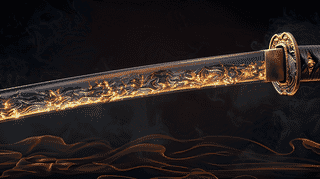
A Kamakura tachi owned by Setouchi City in Okayama, made by the Ichimonji smiths of Bizen. It descended in the Uesugi family. National Treasure since 1952.

Discover the National Treasure 'Portrait of a Court Lady' (Kyūjo-zu), a Yuan Dynasty masterpiece depicting a woman in male court attire with a flute at her sash. Explore its storied provenance from the Ashikaga Shogunal collection to the legendary collector Ohara Magosaburō, its connection to the ancient flute virtuoso Huan Yi, and how to view this enigmatic painting at the Kyoto National Museum and the 2026 special exhibition at the Ohara Museum of Art in Kurashiki.
The Three-Storied Pagoda of Chofukuji in Mimasaka, Okayama dates to 1285 and is the oldest wooden building in the prefecture. It stands 22.07 metres tall.
Discover the National Treasure tachi forged by master swordsmith Nagamitsu of the Osafune School in Bizen Province. Housed at the Hayashibara Museum of Art in Okayama, this Kamakura-period masterpiece showcases the pinnacle of Japanese sword craftsmanship.
The National Treasure tachi signed Yoshifusa, held at the Hayashibara Museum of Art in Okayama, is a masterwork by the celebrated Kamakura-period swordsmith Yoshifusa of the Fukuoka Ichimonji school. Renowned for its dazzling chōji-midare tempering pattern and exceptional state of preservation, this blade is considered the most magnificent among Yoshifusa's surviving works. With a distinguished provenance from the Matsudaira family of Saijō Domain and accompanied by historical appraisal certificates from the Hon'ami family, it represents the pinnacle of Japanese sword artistry.
Discover the Kuki Masamune, a National Treasure tantō forged by the legendary swordsmith Masamune in the Kamakura period. Housed at Hayashibara Museum of Art in Okayama, this unsigned masterpiece carries a dramatic history from the Kuki naval clan to Tokugawa Ieyasu.
Discover the Wooden Senju Kannon and Two Attendant Statues of Mio-ji Temple in Niimi City, Okayama — a Kamakura-period three-figure ensemble of national importance, designated as far back as 1901. Explore the artistic value of the central Senju Kannon, the dynamic flanking figures of Fudo Myo-o and Bishamonten, the temple's Muromachi-era main hall, and nearby attractions in northern Okayama.