
Kamakura
Okayama · 鎌倉Browse Okayama’s cultural heritage from the Kamakura period (1185 – 1333). Filter by type and keyword, with concise stories, maps, and travel tips.
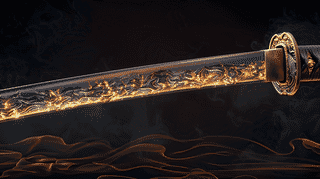
A Kamakura tachi owned by Setouchi City in Okayama, made by the Ichimonji smiths of Bizen. It descended in the Uesugi family. National Treasure since 1952.

A fourteenth-century Yuan painting of a palace lady with a flute in a private collection, a National Treasure since 1952.
Goryusonryuin Temple Pagoda in Kurashiki is a 3.8-meter granite stupa said to date from 1240, with a relic chamber, carved celestials and Kamakura-style eaves.
The Three-Storied Pagoda of Chofukuji in Mimasaka, Okayama dates to 1285 and is the oldest wooden building in the prefecture. It stands 22.07 metres tall.
The Hokyoin Tower at Dōōji in Kurashiki is a 3.3-meter granite stupa dated 1314, raised by the fundraising monk Kakuen. How to read its inscriptions and reach it.
A Kamakura tachi by Nagamitsu of Bizen Osafune at the Hayashibara Museum of Art, Okayama, a National Treasure since 1957, with its original tang and mounting.
A Kamakura tachi by Yoshifusa of the Fukuoka Ichimonji school at the Hayashibara Museum of Art, Okayama, a National Treasure since 1955.
An unsigned Kamakura tanto by Masamune at the Hayashibara Museum of Art, Okayama, a National Treasure since 1957, famed as Kuki Masamune.
Discover the Wooden Senju Kannon and Two Attendant Statues of Mio-ji Temple in Niimi City, Okayama — a Kamakura-period three-figure ensemble of national importance, designated as far back as 1901. Explore the artistic value of the central Senju Kannon, the dynamic flanking figures of Fudo Myo-o and Bishamonten, the temple's Muromachi-era main hall, and nearby attractions in northern Okayama.