Miharashi-tei: A Taisho-Era Villa Reborn on the Hills of Onomichi

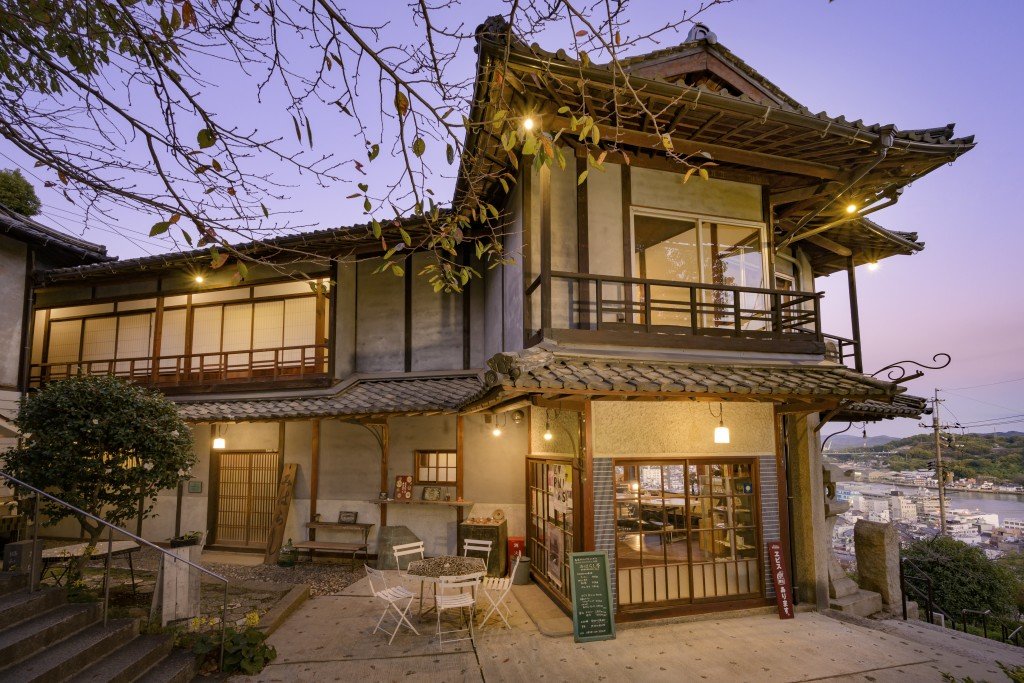
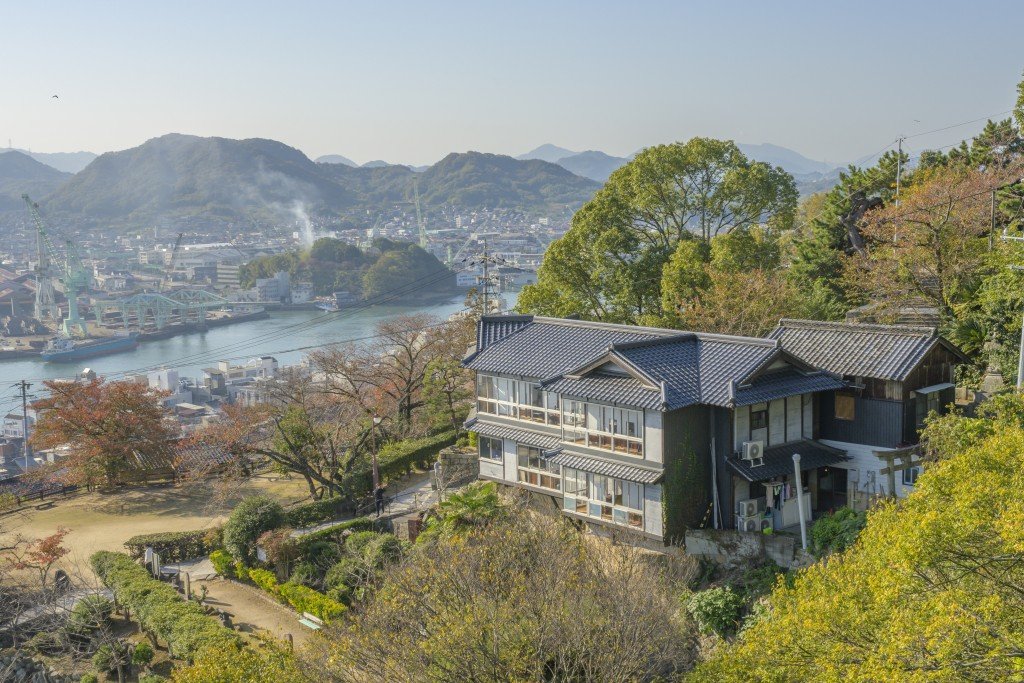
Perched high on a stone retaining wall on the eastern slopes of Mt. Senkoji, Miharashi-tei commands one of the most breathtaking views in Onomichi. This wooden two-story villa, built around 1921 during the Taisho period, is a registered Tangible Cultural Property of Japan and a living testament to the unique saen (tea-garden villa) culture that once flourished in this historic port town. Today, lovingly restored as a guesthouse, it offers visitors the rare opportunity to sleep inside a century-old cultural property while gazing out over the Onomichi Channel and the islands of the Seto Inland Sea.

The Story Behind Miharashi-tei

Onomichi prospered for centuries as one of the finest harbors along the Seto Inland Sea. As merchants accumulated wealth, a distinctive local tradition emerged: the construction of elegant hillside retreats known as saen. The word normally means "tea garden" in Japanese, but in Onomichi it referred to private villas where wealthy traders would entertain guests, enjoy tea ceremonies, and admire the sweeping views of sea and mountains from elevated terrain.

Miharashi-tei was built in 1921 by Yoichi Ishii, a prosperous folding-box manufacturer from the Mizuo-cho district, who acquired land from Senkoji Temple to create his own saen on the cliff edge. In 1955, the Matsuoka family purchased the property, and from 1969 it operated as a traditional Japanese inn. However, after the inn closed, the building sat vacant for nearly three decades, deteriorating with time.

In 2009, the Onomichi City Vacant House Bank listed Miharashi-tei as one of its first properties available for revitalization. The NPO Onomichi Akiya Saisei Project (Onomichi Vacant House Revitalization Project) took on this ambitious restoration, their largest project to date. In 2013, the building was officially registered as a national Tangible Cultural Property. Major renovation work began in 2015, combining the expertise of skilled artisans with community volunteers, and in spring 2016, Miharashi-tei reopened as a guesthouse — breathing new life into a building that had stood silent for decades.

Why Miharashi-tei Is a Registered Cultural Property

Miharashi-tei was registered as a Tangible Cultural Property on December 24, 2013, in recognition of its architectural and historical significance. The official registration notes several distinctive features of the building.

The villa stands on high stone walls along the pilgrimage path on the eastern slopes of Mt. Senkoji. Its east-facing veranda was specifically designed to capture panoramic views of the Onomichi Channel. The second floor features a grand 12-tatami main reception room at its northern end, while the southern rooms display irregular floor plans on both levels — a creative adaptation to the steep, uneven terrain of the hillside. The roof is constructed in the irimoya (hip-and-gable) style with sangawara pantiles, and the eaves feature round log decorative rafters arranged in an elegant fan pattern, a design element rooted in Zen Buddhist architecture.

As a surviving example of Onomichi's saen tradition, Miharashi-tei holds special cultural value. It represents an era when the city's merchant class built sophisticated retreats on the hillsides, creating a distinctive urban landscape that earned Onomichi recognition as a Japan Heritage site under the theme "A Miniature Garden City Woven by the Onomichi Channel."

Highlights and What to Experience

Panoramic Views of the Onomichi Channel

The name "Miharashi-tei" literally means "the pavilion with a view," and the building fully delivers on that promise. From the common area and many guest rooms, visitors can look out across the rooftops of Onomichi's hillside houses, the Onomichi Channel below, Mukaishima Island beyond, and the bridges of the Shimanami Kaido stretching toward Shikoku. The view is particularly stunning at sunrise and sunset, when the water shimmers with golden light.

Staying Inside a Cultural Property

Miharashi-tei offers both private tatami rooms and a shared dormitory-style room, all set within the original Taisho-era structure. Sleeping on futons laid out on century-old tatami, surrounded by traditional shikkui plaster walls and delicate woodwork, is an immersive cultural experience rarely available to international visitors. The building also features charming details such as a triangular-shaped tokonoma alcove — an ingenious design solution adapted to the irregular hillside terrain — and decorative German-style plaster walls and tile work at the entrance.

Café and Bar with a View

Even if you are not staying overnight, Miharashi-tei welcomes day visitors to its first-floor café space. Enjoy an espresso or a slice of Gorgonzola cheesecake while taking in one of the finest vistas in all of Onomichi. The café operates during daytime hours and occasionally doubles as a bar in the evening.

A Living Monument to Community Revitalization

Miharashi-tei is more than a beautiful building; it is the flagship success story of the Onomichi Akiya Saisei Project, a grassroots initiative that has restored nearly 100 vacant houses throughout the city. The renovation preserved the building's registered cultural property status while making it safe for modern use. By staying here or visiting the café, guests directly support the ongoing preservation of Onomichi's irreplaceable architectural heritage.

Nearby Attractions

Miharashi-tei sits in the heart of Onomichi's most scenic hillside district, surrounded by cultural landmarks.

  • Senkoji Temple: Just a short climb up the stone steps from Miharashi-tei, this iconic temple was founded in 806 and is famous for its vermillion-painted main hall built into the cliff face. The panoramic views from the temple grounds are among the best in the Seto Inland Sea region.
  • Old Residence of Kenkichi Nakamura: Immediately adjacent to Miharashi-tei, this preserved home belonged to the celebrated Taisho-era poet Kenkichi Nakamura, who spent his final years in Onomichi. The intimate literary museum offers insight into the artistic community that thrived here.
  • Senkoji Park and Ropeway: The hilltop park above Miharashi-tei is one of Japan's Top 100 Cherry Blossom Sites and home to the Onomichi City Museum of Art designed by Tadao Ando. The ropeway provides a scenic three-minute ride between the summit and the town center.
  • Cat Alley (Neko no Hosomichi): A narrow 200-meter lane running near the temple district, dotted with cat-themed art installations and hidden cafés — a beloved attraction in this self-proclaimed "Town of Cats."
  • Shimanami Kaido: The world-famous cycling route connecting Onomichi to Imabari in Shikoku begins at the waterfront below. Bicycle rental shops are readily available near the station.
  • Onomichi Honmachi Shopping Arcade: A charming covered shopping street at the foot of the hills, featuring local specialty shops, eateries serving the famous Onomichi ramen, and other restored akiya (vacant house) projects including guesthouses and galleries.
📍 Plan Your Visit to Hiroshima
Find tours, activities & transport passes near Miharashitei
[ Itsukushima Shrine & Hiroshima Peace Memorial ]

Q&A

QHow do I get to Miharashi-tei? Is it accessible by car?
AMiharashi-tei is located on the hillside of Mt. Senkoji and cannot be reached by car, motorcycle, or bicycle. From JR Onomichi Station, it is approximately a 25-minute walk involving around 350–370 stone steps. Alternatively, you can take the Senkoji Ropeway to the summit and walk downhill. Travelers are advised to pack lightly; luggage can be sent ahead by courier or stored in coin lockers at the station.
QCan I visit just the café without staying overnight?
AYes, the first-floor café is open to day visitors during operating hours (typically 11:00 AM to around 3:00 PM). You can enjoy drinks and light snacks while admiring the spectacular views. Please check the official website or social media for current hours, as they may vary seasonally.
QIs English spoken at Miharashi-tei?
AThe staff can handle basic English communication, and written English information is available. The official website also has an English section. As a guesthouse, you will likely meet other international travelers who can share tips. Booking can be done through major international platforms such as Booking.com in English.
QAre there any special rules because the building is a cultural property?
AYes. Because Miharashi-tei is a registered Tangible Cultural Property, children under school age (5 years and younger) are not permitted to stay. The traditional shikkui plaster walls are delicate, so guests are asked to be careful not to damage them. Eating and drinking is only allowed in the shared common spaces, not in guest rooms. Quiet hours are observed from 10:00 PM to 8:00 AM, and check-in after 10:00 PM is strictly not permitted.
QWhat is the best season to visit?
AMiharashi-tei is a wonderful destination year-round. Spring (late March to mid-April) is especially popular when cherry blossoms fill nearby Senkoji Park. Autumn brings vivid foliage to the hillside. Summer offers long evenings to enjoy the sea views, though the building can be warm in an old-house way. Winter provides crisp, clear views across the Seto Inland Sea with fewer crowds.

Basic Information

Name Miharashi-tei (みはらし亭) / Onomichi Guest House Miharashi-tei
Cultural Property Designation Registered Tangible Cultural Property (Building) — registered December 24, 2013
Japan Heritage Part of "A Miniature Garden City Woven by the Onomichi Channel" (recognized 2015)
Construction c. 1921 (Taisho 10)
Structure Wooden two-story building, tile roof (irimoya style), building area approx. 92 m²
Original Purpose Saen (tea-garden villa / private retreat)
Owner Matsukane Co., Ltd.
Operated by NPO Onomichi Akiya Saisei Project (Onomichi Vacant House Revitalization Project)
Address 15-7 Higashitsuchido-cho, Onomichi, Hiroshima 722-0033, Japan
Access Approx. 25 min. walk from JR Onomichi Station (350+ stone steps, no vehicle access)
Check-in / Check-out Check-in: 3:00 PM – 10:00 PM (strictly enforced) / Check-out: 10:00 AM
Facilities Café/bar, shared kitchen, shared shower (separate building), coin laundry, free Wi-Fi
Official Website https://miharashi.onomichisaisei.com/

References

みはらし亭 — 文化遺産オンライン
https://bunka.nii.ac.jp/heritages/detail/207747
みはらし亭|日本遺産ポータルサイト
https://japan-heritage.bunka.go.jp/ja/culturalproperties/result/1264/
文化財 ⑰みはらし亭 | 日本遺産尾道市公式WEBサイト
https://nihonisan-onomichi.jp/bunkazai17_miharashitei/
みはらし亭 — Wikipedia
https://ja.wikipedia.org/wiki/%E3%81%BF%E3%81%AF%E3%82%89%E3%81%97%E4%BA%AD
トップページ — みはらし亭公式サイト
https://miharashi.onomichisaisei.com/
みはらし亭 | 建築リノベーションアーカイブ.com
https://renovation-archive.com/2023/11/21/post-2996/
広島の建築 arch-hiroshima|みはらし亭
http://arch-hiroshima.info/arch/hiroshima/miharashitei.html
Guesthouse and Cafe Miharashi-tei — Japan Travel
https://en.japantravel.com/hiroshima/guesthouse-and-cafe-miharashi-tei/69966
Cultural Property ⑰Miharashi-tei | Japan Heritage Onomichi City Official Website
https://nihonisan-onomichi.jp/en/bunkazai17_miharashitei/

Last verified: 2026.03.24