Mystical Experience at Miyajima & Itsukushima Shrine, Hiroshima: A Healing Journey at the World Heritage Floating Shrine and Island Lodging
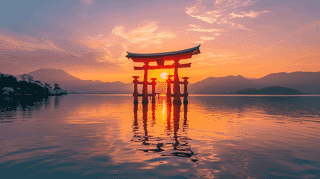
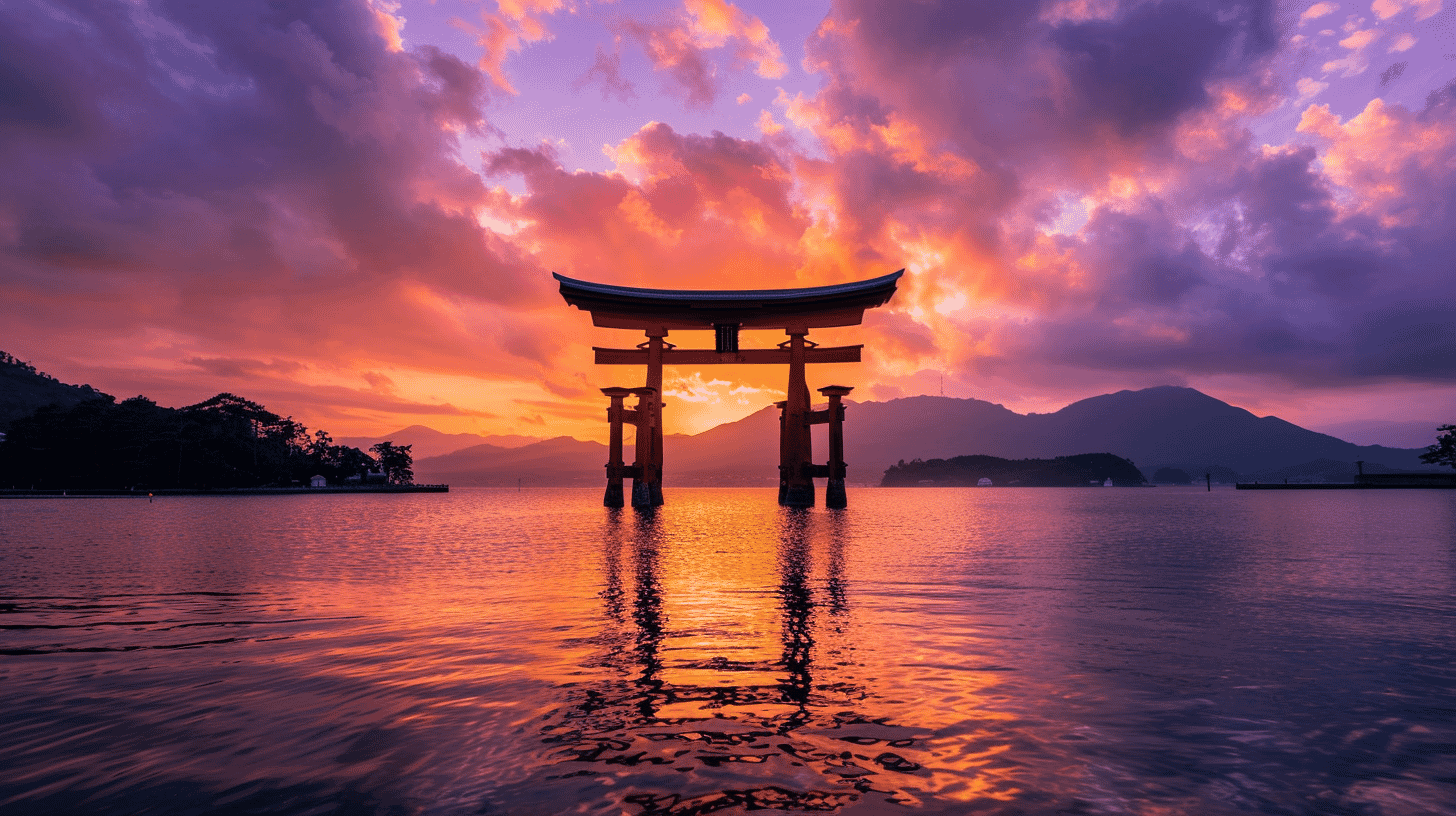
Hello! I'm Hana Matsunaga. Today, I'll introduce you to Miyajima Island and Itsukushima Shrine in Hiroshima Prefecture, famous for its vermillion torii gate that appears to float on the sea. The mystical view at high tide is an unforgettable sight. By staying overnight on the island, you can enjoy the serene atmosphere after day-trippers have left.
The Charm of World Heritage Itsukushima Shrine
Itsukushima Shrine was registered as a UNESCO World Cultural Heritage Site in 1996 and is one of Japan's most iconic shrines. It's said to have been founded in 593, and the current shrine buildings were constructed in 1168 by Taira no Kiyomori during the Heian period.
The most distinctive feature is the shrine buildings and the Great Torii gate built over the sea. At high tide, the shrine appears to float on the water, while at low tide, you can walk up close to the torii gate. The scenery that changes with the tides embodies the Japanese aesthetic of harmony between nature and architecture.
I first visited as a sophomore in college. I still remember gasping "wow" when I saw the vermillion torii gate from the ferry. As we got closer, I was overwhelmed by its majesty.
Best Timing and How to Enjoy Your Visit
High Tide or Low Tide - Which is Better?
Honestly, both are wonderful! However, each offers different charms.
High Tide (Recommended: ★★★★★)
- Fantastical view of the shrine floating on the sea
- Beautiful contrast between vermillion corridors and the sea surface
- Perfect for photography
Low Tide (Recommended: ★★★★☆)
- You can walk up to the base of the Great Torii (but cannot touch it)
- Closely observe the shrine's structure
- Sometimes spot sea creatures on the seabed
You can check tide times on the Miyajima Tourist Association's official website. Staying overnight on the island is a great advantage as you can enjoy both views.
Points on Worship Etiquette
The shrine is a place of worship before it is a tourist destination. Please observe the following manners:
- Bow when passing through the torii: Walk on the sides as the center is the path for deities
- Photography only in permitted areas: Some areas like the main hall interior prohibit photography
- Maintain a quiet atmosphere: Keep conversations subdued
- Don't touch sacred objects or buildings: This includes vermillion pillars and railings
- Appropriate attire recommended: Especially when receiving prayers, avoid overly casual clothing
The basic worship procedure is to purify your hands and mouth at the temizuya (water pavilion), then offer two bows, two claps, and one bow at the main hall. If you're visiting for the first time, you can simply follow others around you.
Miyajima's Attractions Beyond the Shrine
Gourmet Walk at Omotesando Shopping Street
The approach to Itsukushima Shrine is lined with charming shops. I recommend strolling while enjoying local specialties.
Top 3 Miyajima Specialties
- Momiji Manju: Hiroshima's signature confection. Deep-fried momiji is also popular
- Oyster Dishes: Grilled oysters, fried oysters, oyster rice - so many varieties
- Anago-meshi: Fluffy conger eel is exquisite
My favorite is freshly deep-fried momiji manju. The combination of crispy coating and sweet bean paste is addictive. When eating while walking, please dispose of trash properly or take it with you.
Mount Misen Hiking
If you have time, I recommend hiking up Mount Misen at 535 meters elevation. You can enjoy spectacular views of the Seto Inland Sea from the summit. Using the ropeway, you can reach near the summit in about 30 minutes.
Mount Misen has long been an object of worship, with many historical sites and giant rocks throughout the mountain. Visit with comfortable shoes and appropriate seasonal clothing.
The Luxury of Staying at an Island Lodging
The true highlight of a Miyajima visit is staying overnight on the island. The tranquil time after day-trippers leave is truly a special experience.
Benefits of Staying Overnight
- Nighttime Itsukushima Shrine: The illuminated shrine buildings offer a different fantastical beauty from daytime
- Early Morning Worship: Visit peacefully when there are fewer tourists
- Enjoy Both Tides: Staying one night lets you see both high and low tide views
- Relaxed Island Time: Immerse yourself in the island's atmosphere without rushing
Points for Choosing Accommodation
Lodging with Itsukushima Shrine View Accommodations close to the shrine buildings offer views of the Great Torii from your room. When you wake up and open the window, you'll be moved by the stunning view before you.
Ryokan-Style Lodging Traditional Japanese inns offer kaiseki cuisine and hot springs. Many lodges pride themselves on seasonal dishes featuring Miyajima oysters and conger eel.
Casual Lodging Guesthouses and hotel-style accommodations are also available, allowing you to choose based on your budget and travel style.
I stayed at a ryokan with a Japanese-style room overlooking the shrine buildings. I enjoyed Hiroshima beef and grilled oysters in a kaiseki dinner, then strolled around the illuminated shrine in yukata after the meal. When I returned to my room and opened the window, I could see the illuminated Great Torii, and the sound of waves was so soothing.
How to Get to Miyajima
From Hiroshima City
- Take the JR Sanyo Line from Hiroshima Station for about 25 minutes to Miyajimaguchi Station
- Take a ferry from Miyajimaguchi for about 10 minutes
Two ferry companies operate with the same fare (one-way adult ¥180 as of 2024). The JR West Miyajima Ferry takes a route closer to the Great Torii, recommended for taking photos from the boat.
From Hiroshima Airport
Take a limousine bus to Hiroshima Bus Center (about 50 minutes), then take the streetcar to Miyajimaguchi. Alternatively, take a taxi directly from the airport to Miyajimaguchi (about 50 minutes).
Pre-Visit Preparation Checklist
Here's a summary to help you enjoy your Miyajima visit comfortably.
Essential Items
- Comfortable walking shoes (you'll walk on beaches and stairs)
- Sunscreen and hat (summer)
- Rain gear (folding umbrella)
- Cash (some small shops accept cash only)
Useful to Have
- Eco-bag (for souvenirs)
- Mobile battery
- Binoculars (for observing wild deer and birds)
For Overnight Stays
- Clothing for the next morning (for early morning walks)
- Wearing yukata outside is OK (especially in summer)
About Wild Deer
About 500 wild deer live on Miyajima. Unlike Nara's deer, feeding is prohibited, so please don't give them food. Deer may eat paper or plastic bags, so be careful with your belongings.
The deer are generally gentle, but they're wild animals, so maintain an appropriate distance. You're free to take photos, but avoid chasing or touching them.
Summary: Time for Soul Cleansing at Miyajima
Itsukushima Shrine and Miyajima are special places where Japan's natural beauty and traditional culture blend together. The shrine buildings floating on the sea at high tide, the Great Torii emerging at low tide, and the serene time you can experience by staying on the island - all will become unforgettable memories.
When visiting, don't forget that it's a place of worship before being a tourist destination, and please observe proper etiquette. For international visitors, it will be a wonderful experience to feel Japanese spirituality and aesthetics.
Why not spend some relaxing island time at Miyajima? It's sure to be a healing journey that cleanses your soul.
FAQ
Q1. What is the admission fee for Itsukushima Shrine?
A. The entrance fee (shōdenryō) for Itsukushima Shrine is as follows (as of 2024):
- Adults: ¥300
- High school students: ¥200
- Elementary and junior high school students: ¥100
There's also a separate treasure hall where you can view national treasures and important cultural properties. Please check the official website for the latest fees and opening hours.
Q2. Can I enjoy Miyajima on a day trip?
A. While you can visit main tourist spots on a day trip, I recommend staying overnight. Here's why:
- You can enjoy both high and low tide views
- Experience the illuminated shrine at night and peaceful early morning
- Enjoy activities like Mount Misen hiking with plenty of time
For day trips, check the tide schedule in advance and adjust your visit timing to match the view you want to see.
Q3. Is it family-friendly? Can I use a stroller?
A. Yes, it's definitely family-friendly! However, note the following:
About Strollers
- The approach from the ferry terminal to Itsukushima Shrine is paved and stroller-accessible
- The corridors inside the shrine have stairs, making stroller navigation difficult
- Baby carriers might be more convenient in some situations
Points for Families with Children
- Nursing rooms and diaper-changing facilities are limited, so check in advance
- Watch out for deer (they approach if you have snacks)
- Since it's by the sea, bringing a change of clothes is reassuring
There are plenty of kid-friendly foods (like momiji manju), so the whole family can enjoy it.
Q4. I'm an international tourist. Is English spoken?
A. Basic English is generally available at major tourist facilities.
- Itsukushima Shrine: English brochures available
- Tourist Information Center: English-speaking staff on duty
- Major Accommodations: English communication available
- Restaurants: Many shops have English menus
Having a translation app like Google Translate provides extra peace of mind. Multilingual tourist maps are also available. Miyajima receives many international tourists, and the tourism infrastructure is well-developed.
Q5. Can I have a wedding ceremony at Itsukushima Shrine?
A. Yes, you can have a Shinto-style wedding ceremony at Itsukushima Shrine. A ceremony at this World Heritage site will be a lifelong memory.
About Weddings
- Advance reservation required (reservations fill up months in advance)
- Contact the shrine directly for ceremony fees and details
- Some accommodations on Miyajima offer wedding reception venues
As a tourist visiting the shrine, you might encounter a wedding ceremony. In that case, please watch quietly and wish the couple happiness.