
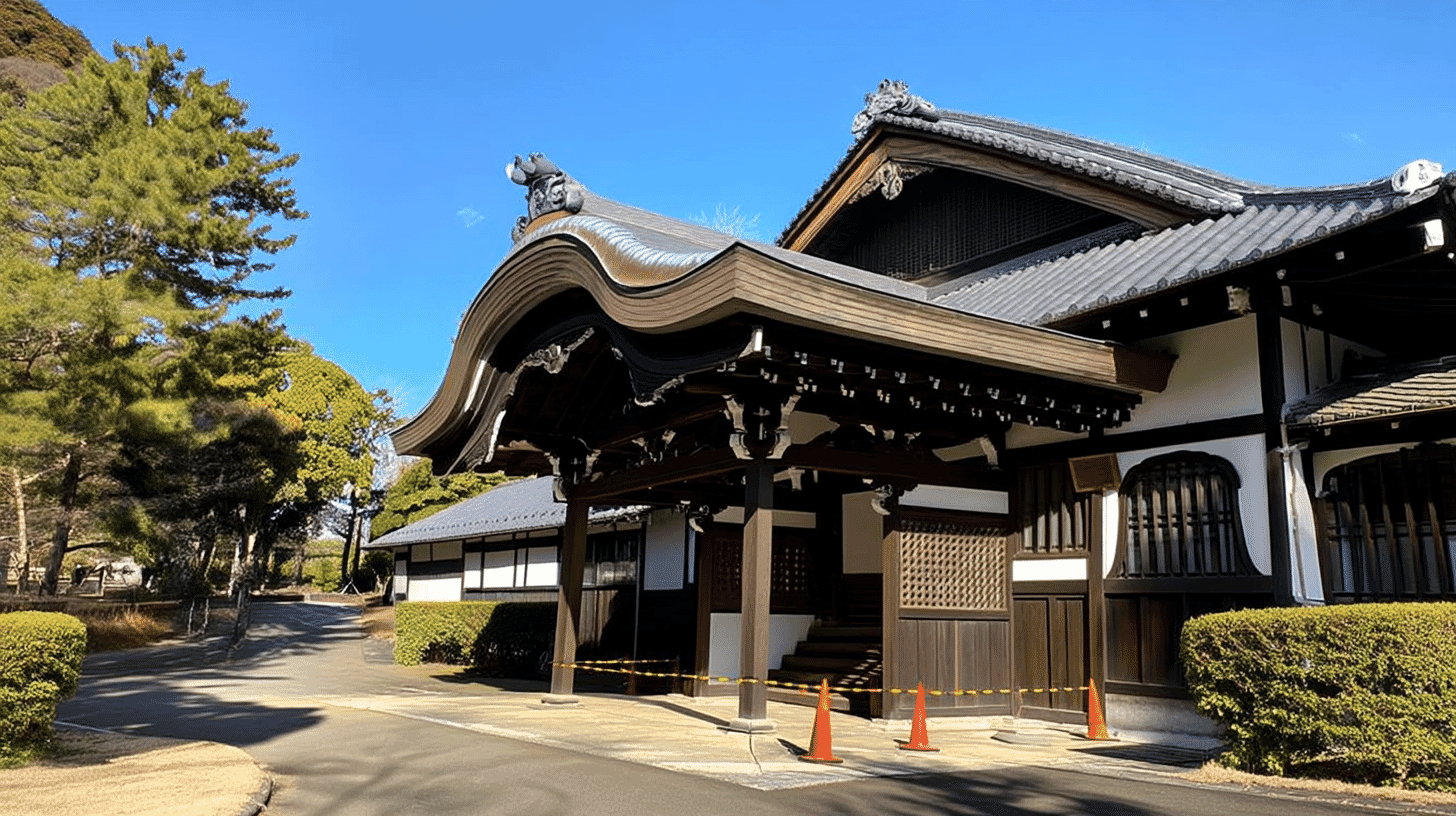
Discovering Sojiji Temple: Yokohama's Living Museum of Zen Architecture
Just a seven-minute walk from Tsurumi Station in Yokohama lies one of Japan's most remarkable collections of early 20th-century Zen Buddhist architecture. Sojiji Temple, one of the two head temples of Soto Zen Buddhism, is home to 18 magnificent buildings designated as Registered Tangible Cultural Properties. These structures, built primarily during the Taisho period (1912-1926) and early Showa period (1926-1989), represent not only the architectural excellence of their era but also the enduring spirit of Zen practice that continues to thrive here today.
Unlike many famous temples in Kyoto or Nara, Sojiji offers international visitors a unique opportunity to experience authentic Zen monastery life in an urban setting. With approximately 140 monks currently training on the grounds, the temple is a living, breathing center of Zen practice where ancient traditions meet modern accessibility. The temple's commitment to international outreach includes guided tours in English and monthly Zen meditation sessions for visitors, making it an ideal destination for those seeking to understand Japanese spiritual culture.
A Temple Reborn: The Journey from Noto to Yokohama
The story of Sojiji Temple begins in 1321, when the renowned Zen master Keizan Zenji (1268-1325) transformed the Shoganzan Kannondo temple in Noto (present-day Ishikawa Prefecture) into Sojiji. For nearly 600 years, the temple flourished in Noto, receiving imperial patronage and becoming one of the two great head temples of Soto Zen Buddhism alongside Eiheiji Temple in Fukui Prefecture.
However, tragedy struck on April 13, 1898, when a devastating fire destroyed most of the temple complex. This catastrophe became an opportunity for transformation. Recognizing the changing needs of modern Japan and the importance of establishing a major Zen center near Tokyo, temple leadership made the bold decision to relocate. After years of planning and construction, Sojiji officially moved to its current location in Tsurumi, Yokohama, in 1911.
The relocation was strategic and forward-thinking. Yokohama, as Japan's major port city, offered excellent transportation connections and proximity to the capital, making it ideal for spreading Zen teachings both domestically and internationally. The original temple in Noto was preserved as Sojiji Soin (Sojiji Ancestor Temple), while the Yokohama site became the new head temple, continuing the 700-year legacy of Zen practice and education.
Why These Buildings Matter: Understanding Cultural Property Designation
In 2005, eighteen buildings at Sojiji were officially registered as Tangible Cultural Properties by Japan's Agency for Cultural Affairs. This designation recognizes structures that hold significant historical, artistic, or academic value for understanding Japan's cultural heritage. The registration system, established to preserve Japan's architectural legacy, focuses on buildings constructed primarily in the late 19th to mid-20th centuries.
Sojiji's cultural properties are exceptional for several reasons. First, they represent a concentrated effort to recreate a complete Zen monastery complex in a remarkably short period, with most buildings constructed between 1911 and 1937. Second, they demonstrate the high level of traditional carpentry and architectural design that persisted even as Japan modernized rapidly in the early 20th century. Third, unlike many temples that have been rebuilt multiple times, these structures retain their original architectural integrity, offering an authentic glimpse into Taisho and early Showa period temple construction.
The buildings showcase various aspects of Zen temple architecture, from the grand ceremonial halls to the practical living quarters of training monks. Together, they form a cohesive architectural ensemble that illustrates the spatial organization and aesthetic principles of a traditional Zen monastery, making Sojiji an invaluable resource for understanding both religious architecture and Japanese cultural history.
Architectural Masterpieces: The 18 Cultural Properties
Karashinden (Provisional Memorial Hall)
Originally constructed as the Kaizando (Founder's Hall) to enshrine the memorial tablets during the temple's relocation from Noto, the Karashinden now serves as a memorial hall for ancestral tablets. This building features a distinctive architectural composition with an irimoya-style (hip-and-gable) roof and a front gable-roofed ceremonial space. The structure connects to the believers' memorial hall through an elegant staircase flanked by balustrades with decorative jewel-shaped finials. The interior consists of a single chamber with an ornate coffered ceiling and memorial altar platform, while the rear connects to the Joshoden ossuary.
Butsuden (Buddha Hall/Daiyu Hoden)
The Butsuden stands at the spiritual heart of the temple complex, built in 1915 during the Taisho period. This single-story structure with surrounding eaves features a square plan of three bays, topped with an irimoya-style roof covered in traditional ceramic tiles. The main body employs sophisticated three-step bracket systems with flying rafters, demonstrating the highest level of traditional carpentry. The interior space is ingeniously divided by two central pillars, creating distinct front and rear zones. Both the exterior and interior exhibit majestic composition that befits the principal hall of a Zen monastery, where the main Buddha image is enshrined.
Daisodo (Great Monks' Hall)
Designed by renowned architect Ito Chuta and completed in 1937, the Daisodo is the largest wooden monks' hall in Japan, with a floor area of 688 square meters. This single-story building with copper-sheet roofing serves as the training center where approximately 150 monks live, practice zazen (seated meditation), and take their meals. The interior features an earthen floor with peripheral corridors, while the walls are lined with raised tatami platforms used for seated meditation. The ceiling employs traditional rod ceiling construction, while the two central independent columns feature unique inserted bracket arms. Architectural details such as bell-shaped windows and curved transoms exemplify classic Zen architectural style.
Hyakken Roka (Hundred-Ken Corridor and Gates)
Perhaps the most iconic feature of Sojiji, the Hyakken Roka stretches 142 meters (actually measured at 164 meters) from east to west, connecting the eastern and western building complexes while demarcating the outer and inner temple precincts. Built around 1915, this single-story wooden corridor is punctuated by three gates: Kinkeimo (Golden Rooster Gate) to the east symbolizing morning, Chujakumon (Central Sparrow Gate) in the center representing midday, and Gyokutomon (Jade Rabbit Gate) to the west signifying evening. The corridor features square pillars supporting boat-shaped bracket arms connected by rainbow beams, with glass doors between columns. This structure plays a crucial role in the spatial composition of the temple, effectively defining the sacred space around the Buddha Hall.
The corridor is famous for its mirror-like polish, achieved through twice-daily cleaning by the monks as part of their training. This practice of soshogyō (corridor wiping) has been maintained continuously since the temple's founding, exemplifying the Zen principle that everyday tasks are themselves spiritual practice.
Shiundai (Purple Cloud Platform)
The Shiundai serves as the abbot's formal reception hall and main administrative office, where the temple's leadership meets with monks, supporters, and visitors. The name "Purple Cloud Platform" is also an honorific title for the abbot. Built during the Taisho period, this impressive structure features numerous rooms divided by sliding doors decorated with ink paintings and colored paintings created between 1920 and 1921. The building faces the Shiuntei Garden, a 500-tsubo (approximately 1,650 square meters) pond-strolling garden designed by tea master Hankosai Soken of the Matsuo school in 1915.
Hokodo (Radiant Light Hall)
The Hokodo holds special historical significance as it was the first building where Buddhist services were held after the temple's relocation to Yokohama. This majestic structure spans approximately 30 meters in length and features an irimoya-style roof covered with traditional tiles. Constructed during the Ansei period (1854-1860) as the main hall of Sononji Temple in Tsuruoka, Yamagata Prefecture, it was donated to Sojiji during the relocation. The building now enshrines memorial tablets of temple supporters, with a Buddhist altar in the center and memorial platforms on both sides. The interior features select cypress wood construction, and the decorative carvings and painted rainbow beams display distinctive late Edo period aesthetic qualities.
Koshakudai (Incense Kitchen Platform)
The Koshakudai functions as the temple's administrative center and main reception hall, serving as the heart of temple operations. This is where visitors register for tours, participate in zazen sessions, and access various temple services. The building also houses the general reception desk and serves as a gateway for lay practitioners engaging with temple activities.
Additional Cultural Properties
The remaining cultural properties include: Goreido (Spirit Hall) enshrining Emperor Go-Daigo's image with its unique gongen-style architecture; Koshoukutsu (Tiger's Roar Cave) and its connecting corridor; Sanshoukan (Three Pine Gate), the impressive Korean-style entrance gate; Shouryo (Monks' Quarters); Shoro (Bell Tower) featuring outstanding design aesthetics; Shokokuro (Bell and Drum Tower); Taihōkan (待鳳館); Hokankannon Daiza (Radiant Kannon Pedestal); Samboden (Three Treasures Hall) enshrining the guardian deity; and Mukakaramon (Forward Tang Gate), all contributing to the complete monastic complex.
Experiencing Sojiji: What Makes This Temple Special
What distinguishes Sojiji from other famous temples is its accessibility and living tradition. While many historic temples function primarily as tourist attractions, Sojiji remains an active training monastery where visitors can witness authentic Zen practice in action. Early morning visitors may encounter monks performing morning services at 5:00 AM, followed by a simple breakfast of rice gruel at 6:30 AM, and the twice-daily corridor cleaning at 7:30 AM.
The temple offers multiple ways for international visitors to engage with Zen culture. Guided tours in English provide insights into temple history and daily monastic life, led by monks who can explain the significance of various buildings and practices. Monthly English-language Zen meditation sessions welcome beginners to experience authentic zazen practice. The temple also hosts sutra copying (shakyo) sessions, allowing visitors to engage in this meditative practice while creating beautiful calligraphy.
The grounds themselves invite contemplation and exploration. The temple's expansive 150,000-tsubo (approximately 495,000 square meters) campus includes not only the cultural property buildings but also the massive Daiso-do (Founders' Hall) with its 36-meter-high ceiling and thousand-tatami-mat floor, beautifully maintained gardens, and quiet pathways perfect for meditative walking. The temple is particularly beautiful during cherry blossom season in early April, when the grounds transform into a sea of pink blossoms.
Beyond the Temple: Exploring Tsurumi and Yokohama
Sojiji's location in Tsurumi makes it an excellent starting point for exploring Yokohama's diverse attractions. The temple is just a 7-minute walk from JR Tsurumi Station, which offers convenient access to both central Yokohama and Tokyo. The station area features shopping complexes, restaurants serving both Japanese and international cuisine, and local shopping streets where visitors can experience everyday Japanese life.
Within walking distance, visitors can explore Tsurumi Shrine, said to be Yokohama's oldest Shinto shrine, which hosts vibrant festivals in July. For nature lovers, the Mitsuzawa Park, accessible by bus from Tsurumi Station, is designated as one of Japan's Top 100 Cherry Blossom Sites, offering spectacular spring displays and recreational facilities. The park features three large ponds and serves as a peaceful retreat from urban life.
The broader Yokohama area offers countless attractions within easy reach. The famous Minato Mirai 21 waterfront development, with its shopping centers, museums, and the iconic Yokohama Landmark Tower, is just 10 minutes away by train. Yokohama Chinatown, one of the largest in the world, offers incredible dining options and cultural experiences. The historic Sankeien Garden, featuring traditional Japanese buildings and seasonal landscapes, provides another perspective on Japanese architectural heritage.
For those interested in industrial heritage, the nearby Kirin Beer Yokohama Brewery offers tours and tastings, while the Yokohama Science Frontier area showcases cutting-edge research facilities. The waterfront area features the Yokohama Bay Bridge, visible from several vantage points, and the Osanbashi Pier international passenger terminal with its unique architectural design.
- 📍 Plan Your Visit to Kanagawa
- Find tours, activities & transport passes near Sojiji Temple Temporary Main Hall
- [ Kamakura Buddha Hakone Onsen & Yokohama Tours ]
Q&A
- Can I visit Sojiji Temple freely, or do I need to make a reservation?
- The temple grounds are open to visitors free of charge during daylight hours, and you can explore the exterior of the buildings and courtyards without reservation. However, guided tours of the interior halls, which are highly recommended for understanding the cultural significance of the buildings, require advance booking. English-language tours are available at scheduled times. Monthly English zazen sessions also require advance registration. Contact the temple office by phone or check their website for current tour schedules and booking information.
- What is the best time to visit Sojiji Temple?
- Each season offers unique beauty at Sojiji. Early April brings stunning cherry blossoms throughout the grounds, making it the most popular season for photography enthusiasts. Summer (mid-July) features the vibrant Mitama Matsuri festival with bon dancing and fireworks. Autumn offers comfortable weather and changing foliage colors, while winter provides peaceful, contemplative atmosphere with fewer crowds. For the most serene experience, consider visiting on weekday mornings when you might observe monks engaged in their daily training routines.
- Are there any photography restrictions at the temple?
- Photography of the temple grounds and exterior architecture is generally permitted and encouraged. However, photographing monks' faces or disrupting their practice is strictly prohibited out of respect for their training. Interior photography may be restricted in certain halls, particularly during religious ceremonies. When in doubt, always ask permission from temple staff. The famous Hyakken Corridor's polished floors offer exceptional photo opportunities, especially when natural light streams through the latticed windows.
- Is Sojiji Temple suitable for visitors with limited mobility?
- While the temple grounds are extensive, the main pathways are relatively flat and accessible. The temple provides wheelchair access to certain areas, though some historic buildings with traditional construction may have steps that limit accessibility. Handrails and ramps are available at key locations. The temple staff is accommodating and will do their best to assist visitors with mobility challenges. It's recommended to contact the temple office in advance to discuss specific accessibility needs and plan the most suitable route through the grounds.
- What is the difference between Sojiji in Yokohama and Sojiji Soin in Ishikawa?
- Sojiji Soin in Wajima City, Ishikawa Prefecture, is the original location where the temple was founded in 1321. After the 1898 fire, the head temple functions moved to Yokohama in 1911, and the Noto site became known as "Sojiji Soin" (Ancestor Temple). Both sites maintain equal temple status within the Soto Zen hierarchy. The Yokohama temple features primarily Taisho and early Showa period architecture (1911-1937), while Sojiji Soin, which was recently designated as a National Important Cultural Property in December 2024, retains some structures that survived the fire and those rebuilt in the early 20th century. Both temples welcome visitors and offer unique perspectives on Soto Zen history and architecture.
Basic Information
| Name | Daihonzan Sojiji Temple (諸嶽山大本山總持寺) |
|---|---|
| Location | 2-1-1 Tsurumi, Tsurumi-ku, Yokohama, Kanagawa Prefecture 230-0063, Japan |
| Cultural Property Designation | 18 buildings registered as Tangible Cultural Properties (July 12, 2005) |
| Construction Period | Primarily Taisho period (1912-1926) to early Showa period (1926-1945) |
| Religious Affiliation | Soto Zen Buddhism (Head Temple alongside Eiheiji) |
| Founder | Keizan Zenji (1268-1325), established in Noto in 1321, relocated to Yokohama in 1911 |
| Access | 7-minute walk from JR Tsurumi Station (West Exit) on the Keihin-Tohoku Line / Tsurumi Line 7-minute walk from Keikyu Tsurumi Station on the Keikyu Main Line 7-minute walk from Keikyu Hanatsuki-Sojiji Station |
| Admission Fee | Temple grounds: Free Guided tour (with access to interior halls): 500 yen per person (advance reservation required) Treasure House: 300 yen (Open 10:00-16:30, closed Thursdays and Fridays) |
| Hours | Grounds open from dawn to dusk (approximately 6:00-18:00) Guided tours available at scheduled times (reservation required) |
| Contact | Phone: +81-45-581-6021 Website: https://www.sojiji.jp/ |
References
- Sojiji Temple Cultural Heritage (Cultural Heritage Online)
- https://bunka.nii.ac.jp/heritages/detail/605129
- Sojiji Temple Official Website
- https://www.sojiji.jp/
- Sojiji Temple - Wikipedia
- https://ja.wikipedia.org/wiki/總持寺
- Daihonzan Sojiji - SOTOZEN.COM
- https://www.sotozen.com/eng/temples/jp/sojiji.html
- Sojiji Temple - Japan Experience
- https://www.japan-experience.com/all-about-japan/yokohama/temples-shrines/sojiji-yokohama
- Sojiji Temple (Soutousyuu head temple) - Yokohama Official Visitors Guide
- https://www.yokohamajapan.com/things-to-do/detail.php?bbid=197
- Yokohama's Soji-ji Temple - Japan Travel
- https://en.japantravel.com/kanagawa/yokohama-s-soji-ji-temple-one-of-the-biggest-soto-zen-monasteries-in-japan/532
- Sojiji Temple Butsuden (Daiyu Hoden) - Cultural Heritage Online
- https://bunka.nii.ac.jp/heritages/detail/117797
- Sojiji Temple Hyakken Roka and Gates - Cultural Heritage Online
- https://bunka.nii.ac.jp/heritages/detail/184633
- Yokohama's Famous Architecture: Soto Zen Daihonzan Sojiji Temple
- https://hamarepo.com/story.php?page_no=1&story_id=5113
Last verified: 2025.11.13