
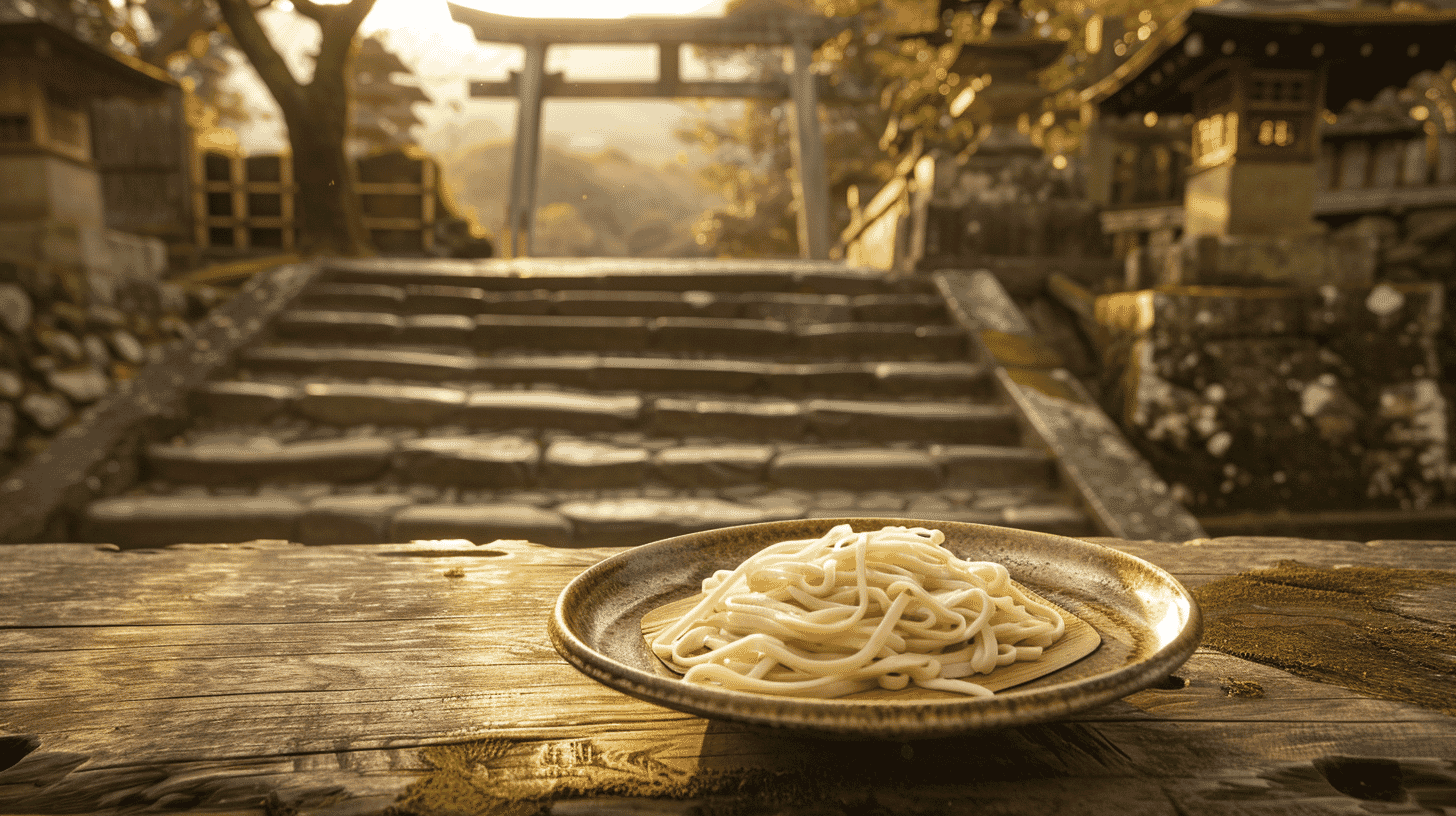
Climbing Konpira's Steps and Making Sanuki Udon—A Journey of Prayer and Taste in Kagawa
Hi, I'm Mika. Kagawa Prefecture is famous as "Udon Prefecture," but there's another treasure you shouldn't miss: Kotohira-gu Shrine, affectionately called "Konpira-san." Today, I'll guide you through a day that brings together both pillars of Kagawa culture. Climb the stone steps one by one, offer prayers for safe travels at the main hall, then roll up your sleeves to make udon with your own hands. It's a day that fills both body and spirit.
Visiting Kotohira-gu Shrine—A Place of Prayer Beyond 785 Stone Steps
What is Konpira-san?
Kotohira-gu Shrine has long been revered as a guardian deity of maritime safety. From the entrance to the main hall, you'll climb 785 steps, and if you continue to the inner shrine, that number rises to 1,368. It's said that "visiting Konpira once in a lifetime" is a cherished goal for many.
Along the stone path, candy shops and souvenir stores dating back to the Edo period line the way, offering a warm sense of local hospitality. You can rest as you go, so don't worry if you're not in peak shape. Take your time, move at your own pace.
The Pilgrimage Route and Highlights
From the Entrance to Daimon Gate (365 steps)
The first 365 steps are flanked by stone lanterns and monuments, evoking centuries of history. Partway up, you'll find the "Go-nin Hyakusho," five authorized candy vendors selling golden "Kamiyo-ame," a traditional sweet. This candy is considered lucky, bite-sized, and subtly sweet—a perfect pick-me-up for tired legs.
From Daimon Gate Through Asahi-sha to the Main Hall (420 steps)
Once you pass through Daimon Gate, the atmosphere shifts. Quiet steps surrounded by trees lead you to the impressive Asahi-sha building. Continue upward to the main hall, and you'll be rewarded with a sweeping view of the Sanuki Plain and the Seto Inland Sea. The sight invites a deep breath. When you reach the main hall, offer your prayers with a full heart.
The standard form is two bows, two claps, and one bow. Purify your hands and mouth at the water basin, and approach the hall quietly with hands together.
Tips for Your Visit
- Attire: Comfortable shoes and casual clothes. In summer, bring a hat and water.
- Time: Roughly 1.5 to 2 hours round-trip to the main hall. Add another hour or more for the inner shrine.
- Access: About a 15-minute walk from JR Kotohira Station to the path entrance.
The sense of achievement when you reach the top, combined with the view from the main hall, is unforgettable. Your legs might be a little tired, but there's a curious lightness in your heart.
Sanuki Udon-Making Workshop—From Flour to Noodles, Learning a Craft
Touching Authentic Udon Culture
After your pilgrimage, it's time for Kagawa's other pride: hands-on Sanuki udon-making. Around Kotohira and in Takamatsu City, several workshops welcome visitors. Book ahead, and you'll find some with English support.
At the workshop I visited, a local udon craftsman guided us patiently. We borrowed aprons and head wraps, then got started.
The Udon-Making Process
1. Mixing Flour and Water
Medium-gluten flour is combined with salted water and mixed roughly by hand. At this stage, it's still crumbly. The instructor reassures you: "This is just fine for now."
2. Kneading with Your Feet
The dough goes into a plastic bag, and you knead it by stepping on it. Apply your weight rhythmically. Chanting "heave-ho, heave-ho" as you step, the dough gradually comes together. This foot-kneading is what gives Sanuki udon its signature firm texture.
Feeling the dough's elasticity change under your feet is fascinating. It starts soft, then gains bounce with every step.
3. Rolling and Cutting
Roll the dough with a wooden pin to an even thickness of about 3–4 mm. Then fold it and cut with a knife in a steady rhythm. The tok-tok-tok sound is satisfying, and you feel like a real craftsman.
Even if your noodles aren't perfectly uniform, that's okay. As the instructor says with a smile, "The beauty of handmade is in the variation."
4. Boiling and Tasting
Your freshly cut noodles are boiled on the spot—about 10 to 12 minutes. After a cold-water rinse, the udon glistens with a translucent sheen.
One bite reveals a chewy texture and the sweet taste of wheat filling your mouth. Somehow, the noodles you made yourself taste better than any famous shop's. It's a wonderful mystery.
Experience Details
- Duration: About 1.5 to 2 hours
- Cost: Approximately ¥2,000–3,500 (varies by facility)
- What to Bring: Nothing special. Aprons are provided.
- English Support: Confirm in advance. Some facilities offer English instructions or interpreter support.
- Children: Elementary school age and up can enjoy it. The foot-kneading is especially popular with kids.
After the workshop, some facilities let you take your noodles home. Cooking them that evening at your lodging makes for a lovely memory.
Wrapping Up Your Kagawa Journey—Memories of Food and Prayer
Climbing Konpira-san's stone steps, sweating as you pray at the main hall. Then, shaping flour into noodles with your own hands and savoring them fresh from the pot. These two experiences offer a luxurious way to feel Kagawa's culture firsthand.
The weight of each step, the texture of the dough beneath your feet, the smoothness of the noodles sliding down your throat. Every sensation becomes a memory. The warmth and texture you can only get by doing it yourself—that's the true treasure of this trip.
When you visit Kagawa, I hope you try both. May the journey linger at your fingertips.
FAQ
Q1: Can I climb Konpira-san's stone steps even without much stamina?
A: Yes, as long as you go at your own pace. There are rest spots and teahouses along the way, so take it slow. It takes about an hour to reach the main hall. You can also ride a palanquin (for a fee) up to the 365th step.
Q2: Do I need a reservation for the udon-making workshop?
A: Most facilities recommend advance reservations. Weekends and peak tourist seasons get busy, so book online or by phone. Check about English support when you reserve.
Q3: Can I store the take-home noodles?
A: Fresh noodles are best eaten the same day. Refrigerated, they'll last until the next day, but cook them soon before flavor and texture fade. Some facilities offer to dry your noodles for longer storage.
Q4: Can young children participate?
A: Udon workshops typically welcome elementary school age and up, though some offer family plans. Kids love the foot-kneading step. For Konpira-san, strollers won't work on the steps, so a baby carrier is helpful for toddlers.
Q5: Are there any special etiquette rules when visiting Kotohira-gu Shrine?
A: Don't skip the purification ritual at the water basin, and approach the main hall quietly. Photography is allowed, but avoid flash and actions that disturb other worshippers. Casual attire is fine, but avoid overly revealing clothing.
