
Shikoku's Oldest Building Tells 900 Years of History
Burakuji Yakushido stands as Shikoku's oldest surviving building, nestled deep in the mountains of Otoyo-cho, Kochi Prefecture. Built in 1151 during the late Heian period, this National Treasure perfectly preserves 12th-century architectural techniques, offering visitors an authentic glimpse into Japan's past.
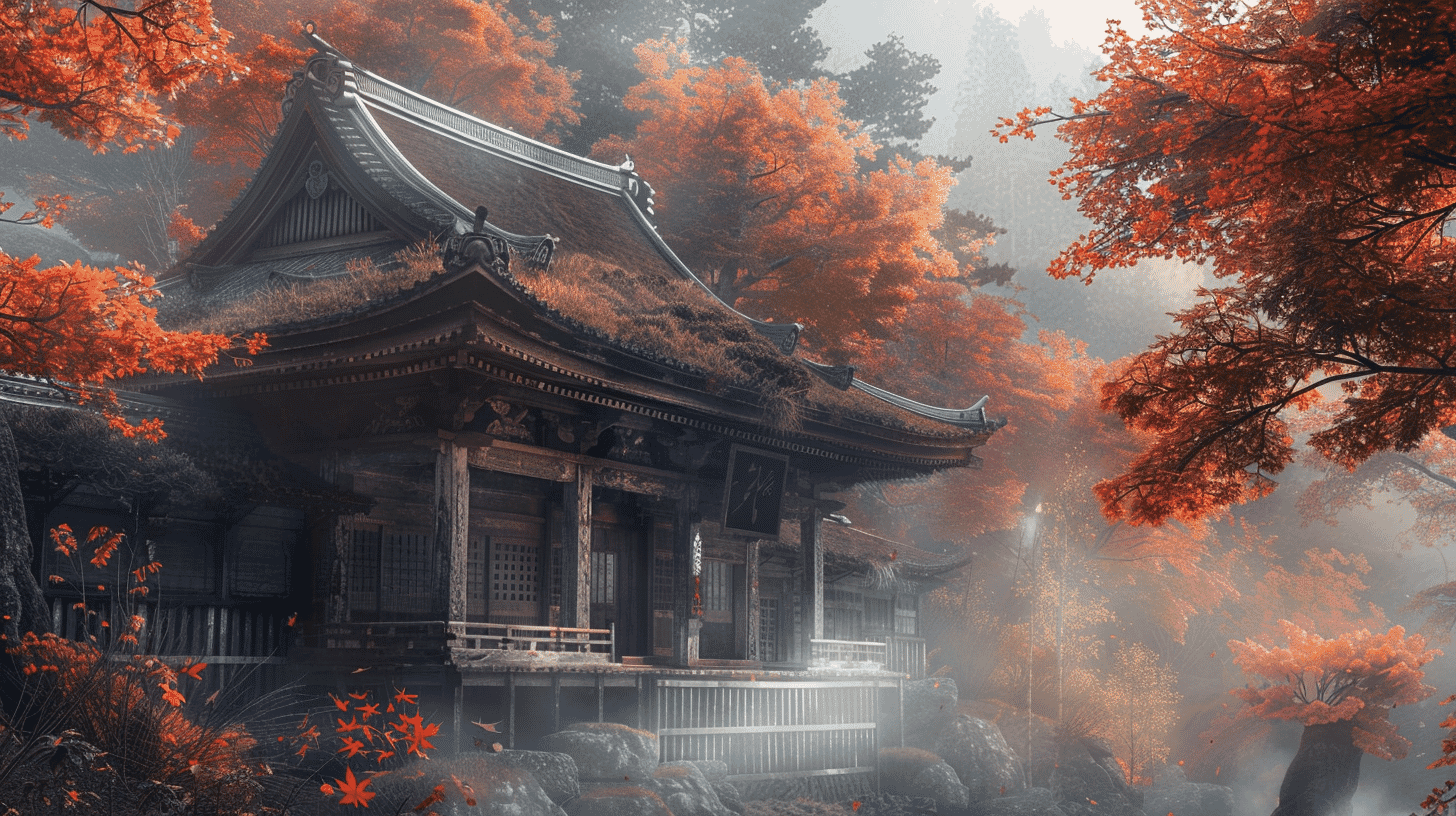
Located at an elevation of 400 meters in a tranquil mountain setting far from urban noise, this temple provides a rare opportunity to experience the essence of Japanese Buddhist architecture. The kokera-buki roof, made from countless overlapping thin cypress shingles using a traditional technique rarely seen today, displays elegant curves that represent the pinnacle of Japanese architectural beauty.
Why This Building is Special: Reasons for National Treasure Designation
Burakuji Yakushido's designation as a National Treasure on November 22, 1952, recognizes more than just its age. The designation acknowledges several exceptional qualities.
First, it is the oldest surviving structure in the Shikoku region. Complete 12th-century buildings are extremely rare even throughout Japan. Second, it serves as a precious example of late Heian period construction techniques. The sao-buchi ceiling and the decorative carvings on the kaeru-mata (frog-leg struts) demonstrate the highest level of craftsmanship of that era.
Furthermore, all three Buddha statues housed within—Yakushi Nyorai, Amida Nyorai, and Shaka Nyorai—are also designated National Treasures. The combined value of architecture and sculpture as an integrated cultural property is immeasurable. These statues, carved using the ichiboku-zukuri technique from single blocks of wood, preserve the exceptional skills of 12th-century Buddhist sculptors.
Spiritual Value as One of Japan's Three Great Yakushi Temples
Burakuji ranks among Japan's Three Great Yakushi temples, alongside Horai-ji Mine Yakushi in Aichi Prefecture and Jofuku-ji Dake Yakushi in Fukushima Prefecture. Yakushi Nyorai, the Medicine Buddha, has attracted devotion since ancient times as a healer of illnesses, particularly eye diseases.
According to temple records, the site was founded in 724 CE by the monk Gyoki Bosatsu, and later visited by Kobo Daishi (Kukai), who offered prayers here. For over 1,300 years, this temple has continued to serve the local community's spiritual needs, functioning not merely as a cultural property but as a living place of worship.
Architectural Highlights: Experience Heian Period Aesthetics
The Yakushido's architectural style, known as "single-story hip-and-gable construction," features a nearly square floor plan of five bays by five bays (approximately 10 meters square). The graceful curve of the roof and the depth of the eaves perfectly express Heian period aesthetic sensibilities.
Particularly noteworthy are the shitomi-do (hinged doors) in the central three bays of the front. These doors open vertically to create a beautiful butterfly-wing appearance. The renji-mado (lattice windows) on the sides feature delicate construction with thin wooden strips arranged vertically, transforming incoming light into geometric patterns.
The interior's sao-buchi ceiling represents one of Japan's oldest surviving examples and holds extreme importance in architectural history. The carvings on the kaeru-mata feature elegant plant motifs that demonstrate the pinnacle of Heian period decorative arts.
Seasonal Attractions: Spectacular Views Throughout the Four Seasons
In spring (April-May), cherry blossoms bloom throughout the grounds, creating a stunning contrast with the ancient architecture. During the fresh green season, the surrounding mountains' verdant colors highlight the building's vermillion pillars.
Summer (July-August) offers relatively cool temperatures due to the high elevation, making visits particularly pleasant amid the chorus of cicadas. However, the mountain paths can be humid, requiring appropriate clothing.
Autumn (October-November) presents the most beautiful season. Surrounding autumn foliage colors the grounds, with golden ginkgo and crimson maple particularly accentuating the temple's ancient weathered appearance. This is the optimal time for photography, attracting many photographers.
Winter (December-February) occasionally offers the rare sight of the Yakushido dressed in snow. However, snow may close roads, making advance confirmation essential.
Access Information: Journey to a Mountain Sanctuary
Access to Burakuji is admittedly not simple. However, the journey itself forms part of the value of visiting this National Treasure.
From Kochi City, take the JR Dosan Line to Otaguchi Station (about 1 hour), then taxi for approximately 15 minutes (about 3,000 yen). By rental car, it's about 20 minutes from the Otoyo IC on the Kochi Expressway, though the mountain roads are narrow and require careful driving.
Access by public transportation alone is difficult, so advance taxi reservations or rental car use is recommended. Free parking is available for seven vehicles.
Nearby Attractions: Suggested Day Trip Itinerary
Sugi no Osugi (15 minutes by car): Japan's largest cedar tree, over 3,000 years old. This mystical giant predates even Burakuji.
Oboke and Koboke Gorges (30 minutes by car): Scenic gorges carved by the Yoshino River's rapids. Enjoy sightseeing boats and world-class rafting.
Iya Valley Kazurabashi (45 minutes by car): Traditional vine bridges spanning the remote Iya Valley. A thrilling crossing experience awaits.
Roadside Station Osugi (15 minutes by car): Rest stop offering local specialties and regional cuisine. Famous for "Tachikawa soba" noodles.
Combining these attractions creates a fulfilling day tour showcasing the full charm of Kochi's mountainous regions.
- 📍 Plan Your Visit to Kochi
- Find tours, activities & transport passes near Yakushido Hall of Horakuji Temple
- [ Katsurahama Beach & Kochi Castle Ryoma Tour ]
Q&A
- What is the admission fee? Can I view the interior?
- The grounds are free to explore, but viewing the Yakushido interior and National Treasure Buddha statues costs 500 yen and requires advance reservation (Tel: 0887-73-0029). Without reservation, only exterior viewing is possible.
- Are English guides or pamphlets available?
- Unfortunately, no English signage or guides are available. We recommend using translation apps. However, the beauty of the architecture and Buddha statues transcends language barriers.
- Is there bus service from the nearest station?
- No regular bus service operates from Otaguchi Station to Burakuji. Taxi (about 3,000 yen one-way) or rental car access is necessary. Advance taxi reservation is recommended.
- Is the temple wheelchair accessible?
- Unfortunately, wheelchair access is difficult due to the temple's mountain slope location. The grounds include steps and stone stairs without barrier-free facilities.
- Is photography permitted?
- Exterior photography is freely permitted. Interior Buddha statue photography may be restricted, so please confirm in advance. Commercial use requires permission.
References
- Burakuji Official Website
- https://www.burakuji.jp/
- Tosa Reihoku Tourism Council - Burakuji Yakushido
- https://tosareihoku-kanko.com/view/burakuji/
- Otoyo Town Official Site - Burakuji Yakushido
- https://www.town.otoyo.kochi.jp/life/detail.php?hdnKey=440
- Cultural Heritage Online - Burakuji Yakushido
- https://bunka.nii.ac.jp/heritages/detail/157985
- Kochi Tourism Website - Burakuji Yakushido
- https://kochi-tabi.jp/search_spot_sightseeing.html?id=927
Basic Information
| Name | Burakuji Yakushido |
|---|---|
| Official Name | Otayama Daigan-in Burakuji |
| Location | 314 Terauchi, Otoyo-cho, Nagaoka-gun, Kochi Prefecture |
| Founded | 724 CE (attributed to Gyoki) |
| Current Building | 1151 CE |
| Architectural Style | Single-story hip-and-gable, cypress bark roof |
| Dimensions | Five bays square (approx. 10m × 10m) |
| Cultural Property Status | National Treasure (designated November 22, 1952) |
| Buddhist Sect | Shingon Buddhism, Chisan School |
| Principal Image | Yakushi Nyorai (National Treasure) |
| Visiting Hours | Daylight hours (interior viewing by reservation) |
| Admission | Grounds free, interior viewing 500 yen |
| Parking | Free (7 spaces) |
| Phone | 0887-73-0029 |
Last verified: 2025.09.11