The Gassho Dogu: A 3,500-Year-Old Prayer Preserved in Clay

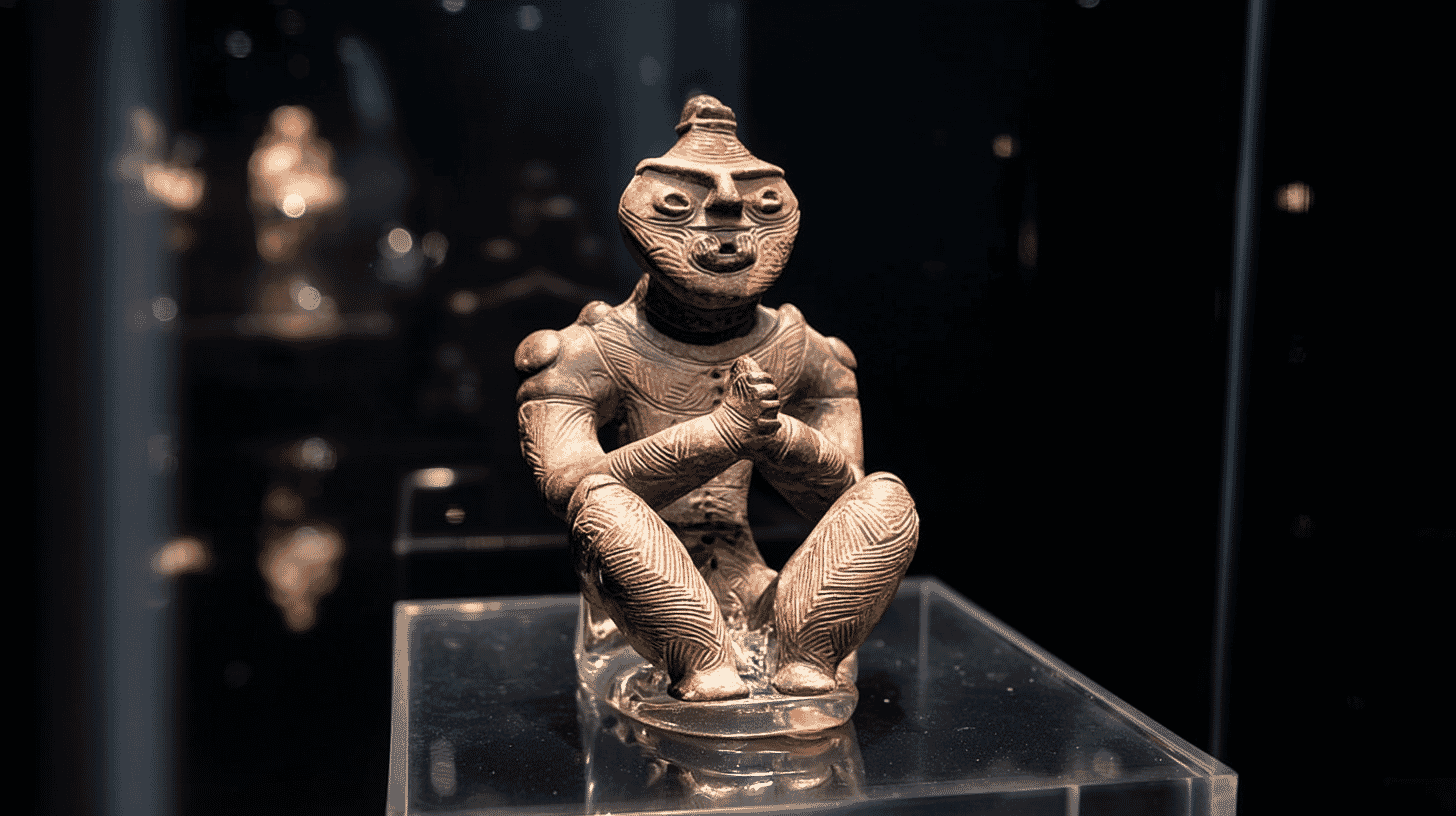
Deep in the northern reaches of Japan's Tohoku region, in the city of Hachinohe, Aomori Prefecture, sits a small clay figurine that has captivated hearts around the world. Known as the Gassho Dogu — the "clay figurine with clasped hands" — this 19.8-centimeter sculpture depicts a seated figure pressing her palms together in what appears to be fervent prayer. Created approximately 3,500 years ago during the late Jomon period, she is one of only five dogu in all of Japan to hold the supreme distinction of National Treasure status.

Whether she is praying for a safe childbirth, offering gratitude for the harvest, or communing with the spirits of the natural world, no one can say for certain. What we do know is that the people who made her loved her deeply — mending her broken limbs with natural asphalt and painting her entire body in vivid red pigment. Today, she sits alone in a darkened exhibition room at the Korekawa Jomon Museum, still inspiring a sense of awe and wonder across the millennia.

What Is the Gassho Dogu?

The Gassho Dogu is a clay figurine, or dogu, dating to the late Jomon period — roughly 1,500 BCE. It was excavated in July 1989 from the Kazahari 1 archaeological site in Hachinohe City, Aomori Prefecture. The figurine measures 19.8 cm in height, 14.2 cm in width, and 15.2 cm in depth, and depicts a female figure sitting with her knees drawn up, her arms resting on her legs, and her hands clasped together in front of her body as though in prayer.

The name "Gassho" (合掌) refers to the gesture of pressing one's palms together — a pose instantly recognizable across many cultures as an expression of reverence, prayer, or meditation. What makes this figurine truly remarkable is its extraordinary level of preservation. Of the roughly 70 dogu found at the Kazahari 1 site, this is the only one recovered in near-complete form. Throughout Japan, most dogu are found deliberately broken or with missing parts, making this intact figure exceptionally rare.

Close examination reveals exquisite craftsmanship. The face features appliqué strips of clay forming the mouth, nose, eyes, and eyebrows — or perhaps a mask the figure wears. The body is covered with incised patterns that may represent clothing or tattooing, and a double-line necklace encircles the neck. Intriguingly, the figure's clasped hands display six fingers, a detail whose symbolic meaning remains one of Jomon archaeology's many mysteries. The top of the head tapers upward, suggesting either a hairstyle or a hat, complete with a small hole reminiscent of a proto-kanzashi hair ornament.

Why Was It Designated a National Treasure?

In 1997, a collection of 664 late Jomon artifacts excavated from the Kazahari 1 site was designated as an Important Cultural Property of Japan, recognizing their critical significance for understanding the formation of the Kamegaoka culture — the brilliant cultural tradition of the final Jomon period. On July 10, 2009, the Gassho Dogu was elevated from this collection to the status of National Treasure, the highest cultural designation in Japan.

Several factors contributed to this exceptional designation. First, the figurine was discovered through a proper archaeological excavation, meaning its precise findspot, surrounding context, and associated artifacts are all thoroughly documented. This makes it an invaluable scientific resource for understanding Jomon-period life and ritual. Second, it is an extraordinarily rare complete example of a seated, praying dogu. Only one other figurine with a similar clasped-hands pose is known — from the Ishigami site in Tsugaru City, Aomori — but that example is incomplete, with mismatched head and body pieces.

Third, the figurine bears evidence of ancient repair. When discovered, the figure had been broken in four places — at the thighs and knees — but each break had been carefully mended using natural asphalt, a substance the Jomon people sourced from petroleum seeps in the region. This tells us the figurine was treasured by its owners and maintained over a long period of use. Fourth, traces of red pigment on the face and body indicate the entire surface was once painted red, providing rare evidence of Jomon-period coloring practices and spiritual customs. Together, these characteristics — the documented excavation context, the complete praying form, the asphalt repair, and the red pigmentation — give this figurine extraordinary value for understanding Jomon culture and make it truly worthy of National Treasure status.

The Kazahari 1 Site: Where the Figurine Was Found

The Kazahari 1 site lies on a tongue-shaped plateau along the right bank of the Niida River, about 4.3 kilometers south of Hachinohe City Hall. The site stretches approximately 470 meters east to west and 250 meters north to south, covering a total area of 75,000 square meters. Directly across the river sits the famous Korekawa site, a Late and Final Jomon settlement that was registered as a UNESCO World Heritage Site in 2021 as part of the "Jomon Prehistoric Sites in Northern Japan."

Excavations conducted between 1988 and 1992 revealed that the Kazahari 1 site was a large ring-shaped settlement from the late Jomon period. The community was organized in concentric circles: two burial pit groups at the center, surrounded by rings of storage pits, raised-floor buildings, and pit dwellings. This layout indicates a thriving, well-organized community that served as a regional hub during the late Jomon period.

The Gassho Dogu was found in July 1989 during an emergency excavation prompted by sweet potato farming activity at the site. It was discovered inside Pit Dwelling No. 15, lying on its right side against the back (north) wall of the house, with its face oriented toward the center of the dwelling. The detached left foot was found 2.5 meters away on the western floor. Unlike most dogu, which are typically found in refuse areas or outside structures, this figurine was found inside a dwelling — as if it had been carefully placed in a special location within the home. This extremely rare discovery context provides precious insight into how Jomon people may have used and venerated dogu in their daily lives.

Highlights and Points of Interest

Visiting the Gassho Dogu at the Korekawa Jomon Museum is an experience that transcends the simple viewing of an artifact. The figurine is displayed alone in a dedicated National Treasure exhibition room, bathed in dramatic, focused lighting against a dark background. This intimate presentation allows visitors to contemplate the figurine in quiet reverence, face to face with a creation that is three and a half millennia old.

Beyond the National Treasure itself, the museum offers a wealth of fascinating exhibits. The permanent exhibition on the second floor is organized into thematic areas including "The Beauty of Lacquer," "The Beauty of Korekawa," "The Beauty of Kazahari," and "Mysteries of the Jomon." The lacquerware collection is particularly stunning — brilliantly colored red and black lacquered bowls, combs, and woven baskets that are hard to believe were created over 2,500 years ago. An immersive theater recreates daily life in the Jomon settlement, bringing the ancient world vividly to life.

The museum also hosts hands-on experience programs every Sunday, including fire-starting demonstrations and Jomon pottery-making workshops. A café on the first floor serves unique items inspired by Jomon cuisine, such as "Jomon Curry" and "Jomon Ramen," incorporating ingredients like wild rice and acorns that the ancient inhabitants may have eaten. The museum shop offers charming Gassho Dogu-themed souvenirs, including adorable figurine-shaped baked sweets.

Free audio guides are available in multiple languages, and volunteer guides can provide English-language tours of the exhibition with at least one week's advance reservation. The Pocket Curator smartphone app offers the same content as the audio guide, making it easy to enjoy a self-guided tour at your own pace.

The Gassho Dogu and the World Stage

The Gassho Dogu has traveled far beyond its home in northern Japan. In 2009, the same year it was designated a National Treasure, the figurine was exhibited at the British Museum in London as part of the landmark exhibition "The Power of Dogu: Masterpieces of Jomon Culture." This international showcase introduced the extraordinary artistry of the Jomon people to audiences worldwide. In 2012, it appeared at the Miho Museum in Shiga Prefecture in "Dogū, a Cosmos," and in 2018, it was featured at the Tokyo National Museum's groundbreaking "Jomon: 10,000 Years of Prehistoric Art in Japan" exhibition. Most recently, in 2018, it traveled to France to be displayed at the Guimet Museum of Asian Arts in Paris.

The Gassho Dogu is one of five dogu that have been designated National Treasures of Japan, alongside the Hollow Dogu from Hokkaido, the Jomon Goddess from Yamagata Prefecture, and the Jomon Venus and Masked Goddess from Nagano Prefecture. Together, these five masterpieces represent the pinnacle of Jomon artistic and spiritual expression. In 2021, the adjacent Korekawa Stone Age Site was inscribed as part of the UNESCO World Heritage Site "Jomon Prehistoric Sites in Northern Japan," further elevating the global significance of this remarkable cultural landscape.

Surrounding Area and Nearby Attractions

Hachinohe is a vibrant coastal city in southeastern Aomori Prefecture with much to offer visitors beyond the Korekawa Jomon Museum. The Tanesashi Coast, designated a national scenic spot, features dramatic rocky shores, sandy beaches, and expansive natural lawns stretching along the Pacific Ocean — ideal for leisurely walks and nature photography. Nearby, Kabushima Shrine sits atop a small island that is home to one of Japan's largest breeding colonies of black-tailed gulls, a designated Natural Monument.

Food lovers will enjoy the Hasshoku Center, one of northern Japan's largest seafood markets, where fresh catches from the Pacific are available for purchase or to eat on the spot at the market's barbecue areas. For a lively evening dining experience, the Hachinohe Yatai Village Miroku Yokocho offers a collection of small, atmospheric food stalls serving local specialties. The Tatehana Wharf Morning Market, held on Sundays, is one of Japan's largest morning markets, with over 300 stalls selling everything from fresh seafood to handicrafts.

History enthusiasts should not miss Kushihiki Hachimangu Shrine, which houses two sets of samurai armor designated as National Treasures — making Hachinohe a rare city with multiple National Treasures to discover. Ne Castle (Nejo), a beautifully restored medieval fortification, offers a glimpse into the region's feudal past. For those interested in the broader Jomon heritage, the Sannai-Maruyama Site in Aomori City — another component of the UNESCO World Heritage Jomon Sites — is approximately 90 minutes away by car or train and makes an excellent day trip.

📍 Plan Your Visit to Aomori
Find tours, activities & transport passes near Clay Figurine / Excavated from Kazabari 1 Site, Hachinohe
[ Discover Hirosaki Castle & Oirase Gorge Tours ]

Q&A

QCan I see the Gassho Dogu at any time of year?
AThe Gassho Dogu is normally on permanent display in the National Treasure exhibition room at the Korekawa Jomon Museum. However, it is occasionally loaned to other museums for special exhibitions. It is recommended to check the museum's official website or call ahead (0178-38-9511) to confirm the figurine is on display before your visit.
QIs English-language support available at the museum?
AYes. The museum offers free audio guides in multiple languages and a downloadable smartphone app called "Pocket Curator" with the same content. English-speaking volunteer guides are also available free of charge for exhibition tours (approximately 60 minutes), but reservations must be made at least one week in advance by contacting the museum.
QHow do I get to the Korekawa Jomon Museum from JR Hachinohe Station?
AOn weekends and holidays, a direct Nanbu Bus runs from JR Hachinohe Station East Exit Bus Terminal 4 to the Korekawa Jomon Museum in approximately 25 minutes (fare: ¥320). On weekdays, take a bus from the Rapia Bus Terminal or the Central Area (Chuo-dori) Bus Terminal (approximately 30 minutes). Alternatively, a taxi from JR Hachinohe Station takes about 15 minutes, and driving from the Hachinohe IC of the Hachinohe Expressway takes about 10 minutes.
QIs the Korekawa site connected to the UNESCO World Heritage Sites?
AYes. The Korekawa Stone Age Site, located adjacent to the museum, was inscribed on the UNESCO World Heritage List in July 2021 as part of the "Jomon Prehistoric Sites in Northern Japan." This World Heritage designation encompasses 17 Jomon archaeological sites across Hokkaido, Aomori, Iwate, and Akita Prefectures, recognizing the outstanding universal value of Jomon culture.
QIs photography allowed inside the museum?
APhotography policies may vary depending on the exhibition. For the permanent collection, photography is generally allowed without flash. However, special exhibitions may have different rules. Please check with the museum staff upon arrival for the current policy regarding photography in each exhibition area.

Basic Information

Official Name Dogu (Clay Figurine) — Excavated from the Kazahari 1 Site, Hachinohe City, Aomori Prefecture (commonly known as "Gassho Dogu" / Clay Figurine with Clasped Hands)
Designation National Treasure (Archaeological Material)
Designation Date July 10, 2009 (previously designated Important Cultural Property on June 30, 1997)
Period Late Jomon Period (approximately 3,500 years ago / c. 1,500 BCE)
Dimensions Height: 19.8 cm, Width: 14.2 cm, Depth: 15.2 cm
Owner Hachinohe City
Exhibition Venue Korekawa Jomon Museum (Hachinohe City Archaeological Center)
Address 1 Yokoyama, Korekawa, Hachinohe, Aomori 031-0023, Japan
Phone 0178-38-9511
Hours 9:00 AM – 5:00 PM (last entry 4:30 PM)
Closed Mondays (open on 1st Monday of month and on national holidays); day after national holidays (open if Saturday, Sunday, or holiday); December 27 – January 4
Admission Adults: ¥250 / High school & university students: ¥150 / Junior high school and younger: Free (Group rates available for 20+ persons)
Access Approx. 10 min by car from Hachinohe IC; approx. 15 min by taxi from JR Hachinohe Station; approx. 25 min by Nanbu Bus from JR Hachinohe Station (weekends/holidays)
Official Website https://www.korekawa-jomon.jp/

References

土偶(青森県八戸市風張1遺跡出土) — 青森県庁ウェブサイト
https://www.pref.aomori.lg.jp/soshiki/kyoiku/e-bunka/kokuho_kouko_1.html
是川縄文館と是川遺跡・風張1遺跡出土品 — 八戸市
https://www.city.hachinohe.aomori.jp/soshikikarasagasu/shakaikyoikuka/bunka/2/5492.html
国宝「合掌土偶」 — 八戸市
https://www.city.hachinohe.aomori.jp/bunka_sports/bunka/zekawajomonnosato_hakkutsuchosa/9917.html
常設展示ー合掌土偶について — 是川縄文館
https://www.korekawa-jomon.jp/parmanent_dogu/
Floor Guide Gassyo Dogu — 是川縄文館 (English)
https://www.korekawa-jomon.jp/floor-guide-gassyo-dogu/
Dogū with palms pressed together — Wikipedia
https://en.wikipedia.org/wiki/Dog%C5%AB_with_palms_pressed_together
八戸市埋蔵文化財センター 是川縄文館 — Amazing AOMORI 青森県観光情報サイト
https://aomori-tourism.com/spot/detail_8003.html
Korekawa Jomon Kan — Visit Hachinohe
https://visithachinohe.com/en/course/korekawa_jomon_buspack/
是川石器時代遺跡 — 世界遺産 北海道・北東北の縄文遺跡群
https://jomon-japan.jp/learn/jomon-sites/korekawa
『国宝合掌土偶』誕生の裏で — 八戸88ストーリーズ
https://hacchi.jp/programs2/dashijin/88stories/05.html

Last verified: 2026.02.17