
Kamakura
Iwate · 鎌倉Browse Iwate’s cultural heritage from the Kamakura period (1185 – 1333). Filter by type and keyword, with concise stories, maps, and travel tips.
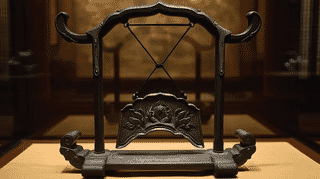
A Kamakura gong at Chusonji in Hiraizumi, Iwate. Its inscription records a gift to Motsuji in 1250, and only the peacocks on the front bear flowers in their beaks.
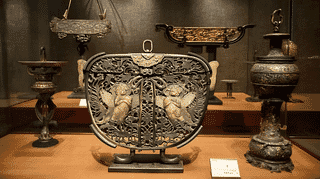
Four Kamakura ritual objects from the sutra repository at Chusonji in Iwate. The gong stand has lost its shell inlay, and only the cuts for it remain.

Held by Chusonji Temple in Hiraizumi, Iwate, these four Important Cultural Property masks include the Wakajo, whose ink inscription on the reverse dates it to 1291—making it the oldest dated Noh mask known to survive in Japan. Together with two Okina masks and one Roujo mask, they are still worn each year by Chusonji's monks during Kojitsu Shikisanban, a medieval ennen performance offered on May 4–5 and November 3 at the Hakusan Shrine Noh stage.