
Edo
Kochi · 江戸Browse Kochi’s cultural heritage from the Edo period (1603 – 1868). Filter by type and keyword, with concise stories, maps, and travel tips.
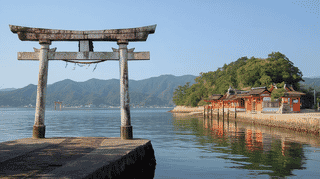
Two Edo-period shrine structures in Kochi Prefecture. Their own value here rests on how very few other cultural properties the region itself holds now.

Discover the Main Hall of Asakura Shrine in Kochi, a nationally designated Important Cultural Property built in 1657. Admire its vivid Momoyama-style polychrome decorations, explore the sacred Mt. Akagi behind, and uncover legends linking this ancient shrine to Empress Saimei.
Kochi is the only Japanese castle where the whole honmaru survives and the original keep and lord's palace stand together, one of just twelve original keeps.
Built around 1797 in Otoyo Town, Kochi, this thatched shoin was the last lodging inside Tosa on the daimyo's overland journey to Edo. Designated in 1974.
Built in 1816 to receive the lords of Tosa, this shoin hall at Chikurinji in Kochi turns its rear rooms toward a pond garden designated a Place of Scenic Beauty.
Tosa Jinja Koro in Kochi, built by Yamauchi Tadayoshi in 1649, is still filed as temple architecture, a trace of the era when shrine and temple stood as one.
Tosa Jinja Romon in Kochi, rebuilt by Yamauchi Tadayoshi in 1631, is an almost undecorated wayo gate whose second storey was given a ceiling and treated as a room.
Located on Mount Hitsuzan in Kochi City, the Tosa Domain Yamauchi Clan Cemetery is a National Historic Site preserving the graves of nearly every feudal lord who ruled the 200,000-koku Tosa Domain from 1601 through the Edo period. Monumental stone markers, tortoise-borne memorial steles, and evolving gravestone styles offer a rare window into samurai burial customs.
The oldest of the Kubo property's registered parts, this late-Edo ishiguro wall in Yasuda uses Tosa river stones and a tiled cap, shaping the character of its lane.
West of the main house in Tano, Kochi, this small two-storey storehouse dates from late Edo and is said to have been moved from the Oka Goten, a Tosa lord's lodging.
Discover Jofukuji Temple's Kuri, a nationally registered tangible cultural property in Otoyo, Kochi. Originally built in 1858 and relocated to the temple in 1885, this historic kitchen hall offers a rare glimpse into rural Shikoku's architectural heritage.
Discover the Main Hall of Jofukuji Temple in Otoyo, Kochi Prefecture—a Registered Tangible Cultural Property rebuilt in 1779. Explore its 1,300-year history, unique Smiling Jizo statues, ancient Oga lotus, and the unspoiled landscapes of Toyonaga village.
Moved from Nahari to Tano in 1931, this late Edo wing shows two gables on its south face and holds seven rooms, including a formal alcove and writing bay.
Discover Chōhōji Main Hall, a Registered Tangible Cultural Property in Tano, Kochi Prefecture. Built in 1822, this Jōdo Shinshū temple showcases classic late Edo-period architecture in the Aki region of Shikoku.
Discover the gate of Chōhōji Temple, a nationally registered tangible cultural property in Tano, Kochi. This Jodo Shinshu temple, built in the Edo period, features traditional architecture and a famous reclining dragon plum tree in Shikoku's smallest town.