
Taishō
Saitama · 大正Browse Saitama’s cultural heritage from the Taishō period (1912 – 1926). Filter by type and keyword, with concise stories, maps, and travel tips.
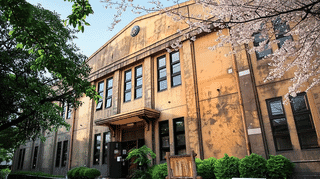
Discover the Soka City History and Folklore Museum, housed in Saitama Prefecture's first reinforced concrete school building from 1926. This Nationally Registered Cultural Property showcases earthquake-resistant architecture born from the Great Kanto Earthquake and local history connected to Matsuo Basho's Oku no Hosomichi.

Seishido in Fukaya City, Saitama, is an elegant brick memorial hall built in 1916 to celebrate the 77th birthday of Shibusawa Eiichi, the father of Japanese capitalism. Designed by renowned architect Tanabe Junkichi, this Important Cultural Property blends English country aesthetics with East Asian decorative motifs and is open to visitors free of charge.
Discover the Okano Family Residence Storehouse in Ogose, Saitama — a rare three-story earthen-walled kura built in 1915, registered as a Tangible Cultural Property. Explore its exquisite craftsmanship and the silk trading heritage of this charming town near Tokyo.
Kami Bridge in Honjo City, Saitama Prefecture, is a reinforced concrete girder bridge built in 1926 during the final year of the Taisho era. Despite its modest 6.3-meter span, this nationally registered tangible cultural property features exquisite decorative details including house-shaped pillar caps, classical pediments, and seven continuous arches edged with white tiles. Located beside the cherry blossom haven of Wakaizumi Park, it offers a charming blend of Taisho-era elegance and seasonal beauty.
A timber weaving shed of 1920 in Kawaguchi, Saitama, carrying four saw-tooth roofs over trussed bays. Registered in 2019, privately owned and closed to visitors.
Completed in 1924 behind the weaving sheds in Kawaguchi, Saitama, this copper-roofed house keeps a farmhouse plan. Registered in 2019, private and not open.
A 1922 wooden schoolhouse in Fukaya, registered in 2000. French Renaissance detail on Japanese carpentry, restored to its original green. Open free on Sundays.
Built in 1926, three years after the Great Kanto Earthquake, this zelkova-framed farmhouse near Musashi-Urawa Station was registered in 2006. Exterior viewing only.
Discover the Hyakken Elementary School Slide in Miyashiro, Saitama — a rare Taisho-era reinforced concrete playground slide built in 1926 and registered as a national tangible cultural property. Still in use by children today.