
Meiji
Tochigi · 明治Browse Tochigi’s cultural heritage from the Meiji period (1868 – 1912). Filter by type and keyword, with concise stories, maps, and travel tips.
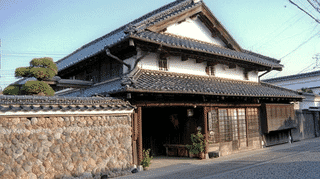
Discover Yuden Miso Higashigura, a registered tangible cultural property in Tochigi City. Experience authentic Meiji-era warehouse architecture, traditional miso cuisine, and craft beer in Japan's charming 'Little Edo' district.

The Former Aoki Family Nasu Villa in Nasushiobara, Tochigi Prefecture, is a German-style Western residence built by Meiji-era Foreign Minister Aoki Shūzō and designated as an Important Cultural Property of Japan. Designed by Matsugasaki Tsumunaga — whose twelve years of architectural study in Germany produced this sole surviving work in Japan — the villa features distinctive fish-scale slate walls and authentic German timber-frame construction. It stands as a rare testament to the pioneering development of the Nasunogahara plain and the lives of the Meiji statesmen who shaped modern Japan.
The Former Nikko Tamozawa Imperial Villa in Nikko, Tochigi, listed in 2003, links ten buildings and 106 rooms under one roof, among them a moved Edo daimyo mansion.
Built around 1889 in Nogi Town, Tochigi, this sixteen-sided Hoffmann kiln fired brick for eighty years. One of four left in Japan; 100 yen to walk inside.
Furukawa Bridge, spanning the Matsuki River in Ashio, Nikko City, Tochigi Prefecture, is a steel truss bridge completed in 1890 using components manufactured by Germany's Harkort Company. Designated as a nationally Important Cultural Property, it is the oldest surviving Harkort-made bridge in Japan remaining in its original location, embodying the rapid modernization of the Ashio Copper Mine and Japan's bridge engineering history.
An Important Cultural Property in Nasu, Tochigi: home of the Mimori family of village headmen, with a thatched 1733 main house and a long front gatehouse.
Created in late Meiji-era Ashikaga, the Shindo Family Garden uses a dramatic five-meter elevation difference to produce a vertical garden composition virtually without parallel in Japan. A three-meter waterfall, an S-shaped pond, and a two-story detached residence form a single integrated landscape designated a National Registered Monument (Place of Scenic Beauty). Normally a private residence, it occasionally opens during Ashikaga's autumn cultural heritage events.
Built in 1908 with a donation from the British Miners' Mission, Ashio Christian Church is the only surviving early church in what was once Japan's leading copper-mining town. Registered as a National Tangible Cultural Property in 2014, this small wooden chapel preserves the spiritual life of the miners who powered Japan's industrial rise.
Built in 1885 by a noted local storehouse builder, this three-storey earthen-walled kura packs stone footings and fire doors into 41 square metres in Tochigi.
Oldest building on this Tochigi City merchant plot, an 1895 storehouse divided into a document store and a goods store, its carpenter named in ink. Registered 2004.
Ashikaga's Oya-stone mill of 1903, with arched windows and a double sawtooth roof, is the sole survivor of six model silk-throwing mills built under Meiji policy.
Built around 1907, the back gate of the Iizuka new residence is timber with a pantile gabled roof. Though at the rear, it is large and finely built.
Built of granite around 1907, the Iizuka new residence front gate has tile-roofed board fences on stone bases. Its tall single-stone posts signal the family's rank.
The Shintaku main house of the Iizuka residence in Bato, built around 1907, shows an early modern feel in its orderly plan and refined reception rooms.
The courtyard gate of the Iizuka new residence, built around 1908, links storehouse and main house, enclosing an inner garden behind openwork lattice fences.
A two-story dozo built in 1908 behind the Iizuka main house, this storehouse was plastered even over its timber for fire safety. It is now a loft-style guest room.
Discover Otani Kobikan, a beautifully preserved Meiji-period (1897) wooden photo studio in Kanuma, Tochigi. Built by a young entrepreneur inspired by Kobe's foreign settlement architecture, this Nationally Registered Tangible Cultural Property features a distinctive slant studio with a glass skylight and decorative gable bearing the character for 'beauty.'
Gashu Store stands east of Korai Bridge in Tochigi City: a late-Meiji earthen-walled shop in black lime plaster with a high stacked ridge and an outsized kagemori.
The worship gate of Karasawayama Shrine in Sano, Tochigi, was built in 1883 at its founding, the oldest building on the mountain, with plain knotty pillars.
Around the main hall of Karasawayama Shrine in Sano, Tochigi, run the 1909 inner gate and 52-meter openwork fence, their diamond lattice framing the sanctuary.