
Edo
Miyagi · 江戸Browse Miyagi’s cultural heritage from the Edo period (1603 – 1868). Filter by type and keyword, with concise stories, maps, and travel tips.
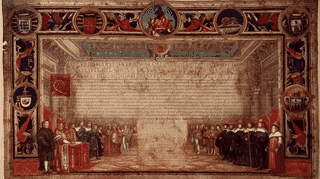
Forty-seven items at the Sendai City Museum, brought back from Europe by Hasekura Tsunenaga, envoy of the lord of the Sendai domain to Spain and to Rome.

Discover the Former Sato Family Residence in Kakuda, Miyagi Prefecture — a nationally designated Important Cultural Property showcasing a mid-18th century Tohoku farmhouse with thatched roof, torii-date pillars, and authentic Edo-period rural living.
Perched on Ichimoriyama overlooking Matsushima Bay in Miyagi Prefecture, Shiogama Shrine has been revered as the first-ranked shrine of ancient Mutsu Province for over a thousand years. Begun in 1695 by the fourth Sendai lord Date Tsunamura and completed in 1704 under his successor Date Yoshimura, fourteen halls and a stone torii were designated Important Cultural Properties in 2002. The shrine is celebrated for its rare layout enshrining three deities in three sanctuaries and for the masterful contrast between its restrained main halls and ornate gates—an outstanding example of mid-Edo shrine architecture.
A late Edo thatched farmhouse designated an Important Cultural Property in 1974, the Former Nakazawa Residence in Natori keeps the local four-room plan.
Horaguchi Family Residence in Natori, Miyagi: a Horeki-era farmhouse ringed by a ditch and igune windbreak, designated in 1971, with named posts in its earth floor.
The Matsumoto Family Residence in Kami, Miyagi, housed retainers to the Date lords' vassals. Its living and kitchen blocks stand apart beneath one thatched roof.
Enunkan Garden, named a national Place of Scenic Beauty in 2018, is a 17th-century stroll garden above Kesennuma Bay kept by the Ayukai family of the Sendai Domain.
The Ebiki Miso and Soy Sauce Brewing Storehouse in Toyoma, Tome City, Miyagi, is part of the historic compound of Ebiki Shoten, founded in 1833 and registered as a national Tangible Cultural Property in 2018. Located in the heart of "Miyagi's Meiji Village," the complex preserves eight buildings spanning the late Edo to Taisho eras, where traditional miso and soy sauce fermentation continues to this day.
Discover the Enmei-ji Temple Sanmon Gate in Shiroishi, Miyagi — a Registered Tangible Cultural Property originally built as the Umayaguchi-mon of Shiroishi Castle during the late Edo period. Explore its samurai heritage and unique turret-gate architecture.
Built between 1830 and 1868 in Kurihara, Miyagi, this thatched farmhouse keeps a regular four-room plan, with an alcove and sao-buchi ceiling in its formal room.
Built between 1830 and 1867 in Kami Town, Miyagi, this farmhouse keeps its staggered four-room plan and massive kitchen beams. Registered in 2002; now a restaurant.
The Main Hall of Tōshinji Temple in Shiroishi, Miyagi Prefecture, is a National Registered Tangible Cultural Property built in 1831. This Pure Land Buddhist hall features a characteristic Jōdo-shū layout with a dragon ceiling painting by Sendai domain artist Sakuma Rokusho. The temple grounds hold the graves of Sanada Yukimura's daughter Aume and son Daihachi, along with a gate relocated from Shiroishi Castle.
A two-story earthen-walled storehouse on the Matsuya property in Furukawa, Ōsaki. Late Edo in date, it is the site's oldest building, noted for its plasterwork.