
National Treasures of Aichi
愛 知 県 の 国 宝Aichi’s national treasures — properties designated kokuhō for their exceptional value to the nation.
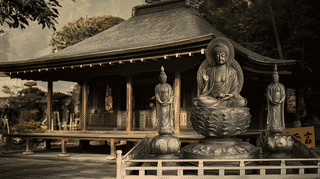
A Kamakura Amida hall in Nishio, Aichi, carrying techniques shared with Heian aristocratic houses. It is the oldest timber building in the prefecture.
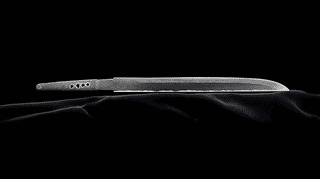
A Kamakura-period tanto at the Tokugawa Art Museum in Aichi. The two records give its length differently here, by a tenth of a centimetre in each case.

Discover Inuyama Castle, one of only five National Treasure castle keeps in Japan. Built in 1537, this original wooden tower offers panoramic views of the Kiso River and Nobi Plain, a charming Edo-period castle town, and centuries of samurai history in Aichi Prefecture.
Discover Jo-an, one of only three National Treasure teahouses in Japan. Built in 1618 by tea master Oda Uraku, younger brother of Oda Nobunaga, this masterpiece of tea ceremony architecture awaits in the serene Uraku-en Garden beside Inuyama Castle, Aichi Prefecture.
The National Treasure Hanshu Shihuo Zhi Volume 4, held by Ōsu Kannon temple in Nagoya, is one of the world's oldest surviving manuscripts of the Book of Han's Treatise on Food and Money — ancient China's earliest economic history. Copied during the Nara to Heian period with Tang dynasty annotations, it bears the seal of Japan's ancient Ministry of Ceremonies and stands as a remarkable testament to cultural exchange across East Asia.
Discover the Kanrin Gakushi Shishū, a National Treasure manuscript of Tang dynasty Chinese poetry preserved at Ōsu Kannon temple in Nagoya. Learn about this rare Heian-period copy, the legendary Ōsu Bunko library, and how to plan your visit.
Three volumes brushed by the monk Kenyu around 1371 form the oldest surviving copy of the Kojiki, Japan's earliest history. A National Treasure held by Osu Kannon.
Sesshu's only figure painting among his six National Treasures, signed at age 77 in 1496. The monk Huike cuts off his arm to prove his resolve to Bodhidharma.
Discover the Uraku Rai Kunimitsu, a National Treasure tantō forged by master smith Rai Kunimitsu in the late Kamakura period. Once owned by Toyotomi Hideyori and the celebrated tea master Oda Urakusai, this magnificent short sword is now displayed at the Nagoya Token Museum. Explore its brilliant blade artistry, storied samurai provenance, and the cultural world of feudal Japan.
Chōgyokushū, a Tang anthology lost in China, survives only as volumes 12 and 14, copied in Japan in 747. A National Treasure held at Ōsu Kannon in Nagoya.
A National Treasure dagger by Kyoto master Rai Kunitoshi, dated 1316 and made when he was about 76. Owned by Atsuta Jingu, it is shown at the Tokyo National Museum.
Made in 1639 for Chiyohime, the shogun's two-year-old daughter, this 70-piece trousseau glitters with gold maki-e from The Tale of Genji. A National Treasure.
A National Treasure tachi forged by Bizen Saburo Kunimune in the Kamakura period, handed down in the Owari Tokugawa family and held by Nagoya's Tokugawa Art Museum.
Oda Nobunaga's prized tachi, seized from Azuchi Castle after Honno-ji in 1582. A National Treasure by Kamakura master Nagamitsu, now at Nagoya's Tokugawa Art Museum.
This National Treasure tachi by the Ko-Bizen smith Masatsune was shogun Yoshimune's 1745 retirement gift to the Owari Tokugawa, now at Nagoya's Tokugawa Art Museum.
A rare signed tachi by Mitsutada, founder of Bizen's Osafune school, given by Shogun Tsunayoshi to the Owari Tokugawa in 1698. Now a National Treasure in Nagoya.
A National Treasure tachi dated 1292 and the only blade signed Rai Magotaro, an alias of master Rai Kunitoshi. Once Ieyasu's, now at the Tokugawa Art Museum.
Named for its kitchen-knife shape, the National Treasure Hocho Masamune passed from Tokugawa Ieyasu to the Owari family. See its pierced openwork carving in Nagoya.
Japan's oldest illustrated Tale of Genji, a 12th-century National Treasure at Nagoya's Tokugawa Art Museum, shown a few weeks each November to protect its pigments.
More from Aichi
Aichi’s registered properties across designations, with featured heritage and travel notes.
The complete kokuhō catalogue — browse by prefecture, period, and category.
Nationwide jūyō bunkazai — architecture, sculpture, painting, crafts, and documents.