
Historic Sites, Places of Scenic Beauty, and Natural Monuments of Fukui
福 井 県 の 史 跡 名 勝 天 然 記 念 物Fukui · Historic Sites, Places of Scenic Beauty, and Natural Monuments
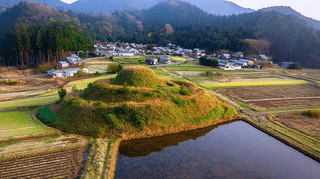
Explore Jōnozuka Kofun, the largest keyhole-shaped burial mound in Wakasa, Fukui Prefecture. This National Historic Site from the 5th century offers an intimate encounter with Japan's Kofun period without the crowds. Discover the legacy of the Kashiwade clan and the "Valley of Kings."

The Kōdōji Temple Ruins in Mihama, Fukui mark a temple a local clan founded in the late 7th century, traced by excavation from founding to abandonment around 900.
A national Place of Scenic Beauty in Tsuruga, this Edo-period hillside garden at Saifukuji stages Amida and the 25 bodhisattvas descending in stone and water.
Somayama Castle Ruins crown a steep 492-meter peak in Fukui. This medieval mountain fortress served as a Southern Court base during Japan's Nanbokucho civil wars.
This national historic site in Tsuruga marks the execution ground where 353 of the Mito Tengu-tō were beheaded in 1865 and buried beneath fifteen gravestones.
The middle of three royal tombs below Mount Zenbu in Wakasa, this 70-meter keyhole mound of the late 5th century is read as a Kashiwade clan chieftain's grave.
Built in 1522 by Wakasa governor Takeda Motomitsu, this mountain castle above Obama guarded the Japan Sea port nearest Kyoto. Stone walls and baileys survive well.
Explore the Wakasa Kokubunji Ruins, a nationally designated historic site in Obama, Fukui Prefecture. Discover ancient temple foundations, a rare burial mound within the precinct, and exquisite Kamakura-era Buddhist statues at this Japan Heritage site.
More from Fukui
Fukui’s registered properties across designations, with featured heritage and travel notes.
The complete kokuhō catalogue — browse by prefecture, period, and category.
Nationwide jūyō bunkazai — architecture, sculpture, painting, crafts, and documents.