
Intangible Folk Cultural Properties Requiring Documentation of Japan
記 録 作 成 等 の 措 置 を 講 ず べ き 無 形 の 民 俗 文 化 財Browse Japan’s Intangible Folk Cultural Properties Requiring Documentation nationwide. Filter by prefecture, period, and category, with concise stories, maps, and practical travel tips.
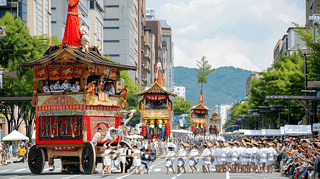
A festival at Yasaka Shrine in Kyoto, selected in 1959 as an intangible folk property whose record should be made and kept for the future. Not designated.
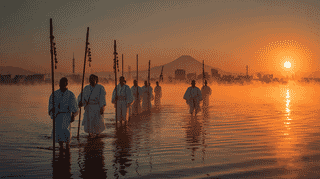
A pre-dawn rite at Nakajima in Kisarazu, Chiba, where young men plant bonten poles in the winter sea while practitioners pray on the shore. Selected in 1992.
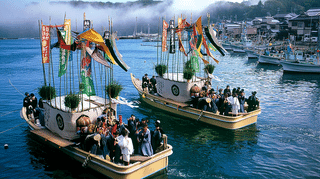
A rite held each 7 April at Miho Shrine in Shimane, re-enacting the myth in which Kotoshironushi ceded the land and hid behind a brushwood fence. Selected in 1973.
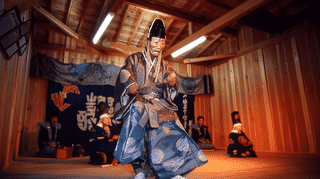
A ritual performance handed down in Aogaki, Hyogo Prefecture, Japan. Having no material form over there at all, it is instead kept by record even now.

Aichi no Omanto is a spectacular folk tradition from the Owari and western Mikawa regions of Aichi Prefecture, in which horses adorned with sacred streamers and ornate trappings are dedicated to local shrines and temples. Originating in the late medieval period as prayers for rain and bountiful harvests, the tradition was selected in 2004 as an Intangible Folk Cultural Property requiring documentation. From the martial Keigo Festival of Nagakute to the thrilling horse-running events of Takahama, Omanto festivals across the region continue to captivate visitors with their vibrant displays of living cultural heritage.
High in the mountains of Toyota City, Aichi Prefecture, the small village of Ayado preserves a two-part summer ritual: a solemn yo-nenbutsu chanting procession followed by an instrument-free bon dance accompanied only by the rhythm of wooden geta sandals. Designated a Nationally Important Intangible Folk Cultural Property in 1997 and inscribed on UNESCO's Intangible Cultural Heritage list in 2022 as part of Furyū-odori, this is Toyota City's first UNESCO heritage and the only place in Japan where the combined yo-nenbutsu and bon odori tradition still survives.
Held every August 14 and 15 at Senshōji Temple in the Ōmi district of Shinshiro City, Aichi Prefecture, Ōmi no Hōka is a Bon memorial dance in which performers bear two-meter paper fans on their backs and chest-mounted drums. This Aichi-designated and nationally selected intangible folk cultural property preserves a rare living lineage of medieval traveling-performer arts and Buddhist invocation dance.
In Shinshiro's Obata district, a pre-dawn winter rite unearths a clay jar of red-bean rice buried a year earlier and reads its state to forecast the coming harvest.
Hana no Tō is a traditional crop divination ritual practiced across Aichi Prefecture's Owari and Mikawa regions. Miniature diorama displays called 'otameshi' depicting farming scenes are set up at shrines and temples, where worshippers divine the year's harvest prospects. Centered on Atsuta Shrine's annual Hōnen-sai, this living tradition was designated a nationally protected intangible folk cultural property in 1996.
The Fire-Striking Customs of Owari and Mikawa, preserved at Atsuta Jingu, Toga Shrine, and Himaka Shrine in Aichi Prefecture, represent a living tradition of ancient friction fire-making within Shinto rituals. Discover two distinct techniques — the rubbing-drill and spindle-drill methods — that have survived as sacred practices since antiquity.
Discover Kodomo Zairen, a centuries-old summer festival in western Owari, Aichi, where children build reed shrines and serpent effigies, light pyramids of lanterns, and pray for protection from floods and epidemics along the Kiso River basin.
Kurosawa Dengaku is a centuries-old folk performing art preserved in the remote mountain hamlet of Kurosawa in Shinshiro City, Aichi Prefecture. Designated as a National Important Intangible Folk Cultural Property alongside the dengaku of Tamine and Horaiji as the 'Three Dengaku of Mikawa,' its 38 ritual dances preserve rare traces of medieval dengaku, sarugaku, and jushi arts.
Held every November at Tsushima Shrine in Shitara Town, Aichi Prefecture, the Sanzoro Matsuri is a 400-year-old folk festival designated as an Aichi Prefectural Intangible Folk Cultural Property. Performers dressed as the Seven Lucky Gods engage in witty call-and-response dialogues with the shrine priest, beginning each exchange with the formal greeting 'Sanzōrō,' while performing sacred yudate kagura dances by torchlight in this unique blend of dengaku tradition and visiting-deity ritual.
At Akumi Kanbe Shinmeisha in Toyohashi each February, a red oni battles a tengu warrior, then scatters white flour and tankiri candy said to ward off summer illness.
Discover Sunari Matsuri, a spectacular 100-day river festival in Kanie Town, Aichi Prefecture, featuring lantern-adorned boats gliding along the Kanie River, sacred reed-floating rituals, and over 450 years of tradition. Designated as a National Important Intangible Folk Cultural Property and UNESCO Intangible Cultural Heritage, this guide covers the festival's history, highlights, and visitor information.
Sobue no Mushiokuri is a traditional harvest prayer ritual held every July in the Sobue district of Inazawa City, Aichi Prefecture. Participants march through rice paddies at dusk bearing torches and a life-sized straw effigy of the legendary samurai Saito Sanemori, which is dramatically burned to drive away crop-destroying insects. Designated as both an Aichi Prefectural and Nationally Selected Intangible Folk Cultural Property, this 800-year-old ceremony connects samurai legend with living agricultural tradition.
Tamine no Dengaku is a National Important Intangible Folk Cultural Property performed every February at Tamine Kannon temple in Shitara, Aichi. Dating back to 1559, this three-part ritual of daytime ceremonies, nighttime rice-planting pantomime, and dawn masked dances by bonfire preserves medieval Japanese performing arts.
The spinning and weaving customs of Chita Cotton (Chita Momen), handed down for over 400 years on Aichi Prefecture's Chita Peninsula, are a nationally recognized Intangible Folk Cultural Property. Explore the complete traditional process — from cotton cultivation and thread spinning to indigo dyeing and hand-weaving — amid the historic streetscape of the Okada district, where hands-on weaving experiences and artisan cotton products await.
At Aichi's Chiryu Festival, three-person puppeteers perform joruri theater atop two-story floats, a staging unique to Chiryu and named folk heritage in 1978.
At the Chiryu Matsuri held at Chiryu Shrine in Aichi Prefecture, string-operated karakuri puppets perform dramatic narratives atop towering seven-meter festival floats — a tradition unmatched anywhere else in Japan. Designated as a National Important Intangible Folk Cultural Property and UNESCO Intangible Cultural Heritage, this extraordinary art form has been preserved by local townspeople since the Edo period.
More across Japan
The complete kokuhō catalogue — browse by prefecture, period, and category.
Nationwide jūyō bunkazai — architecture, sculpture, painting, crafts, and documents.
UNESCO-inscribed cultural and natural sites across the archipelago.