
Edo
Gifu · 江戸Browse Gifu’s cultural heritage from the Edo period (1603 – 1868). Filter by type and keyword, with concise stories, maps, and travel tips.
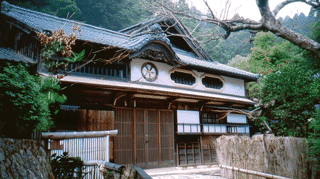
A single-storey timber house at the Okute post station in Mizunami, Gifu. A quatrefoil window sits in the low wall above its front eaves, with a crest beside it.
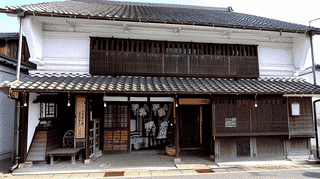
A former lodging house at the Ota post station on the Nakasendo in Minokamo, Gifu. Plastered to the eaves, it still leaves its head rails and brackets in view.

The storehouse of the Arakawa Family Residence in Takayama was built in 1747, forty-nine years before the main house. Both were designated in 1971. Free entry.
The Kosaka Family Residence in Mino, Gifu, is a working sake brewery dating to 1772 and the town's sole Important Cultural Property, with a convex roof and udatsu.
Discover the Former Taguchi Family Residence (Kyū Taguchi-ke Jūtaku), a nationally designated Important Cultural Property built in 1808. Now preserved at Hida Folk Village in Takayama, this grand village headman's farmhouse showcases Edo-period rural architecture with its distinctive kure-buki shingled roof and rare construction documents.
Nangu Shrine in Tarui, Gifu, is the first shrine of Mino. Fifteen halls rebuilt for Tokugawa Iemitsu in 1642 and three stone structures are designated.
The Former Nimura Family Residence Main House, located in Fukuji Onsen within Okuhida Onsenkyō in Takayama City, Gifu Prefecture, is a Registered Tangible Cultural Property built in 1838. This impressive two-story wooden structure covers 301 square meters and features refined architectural details including a formal shikidai entrance and elegant lattice windows, showcasing the celebrated craftsmanship of Hida's master carpenters and the dignified lifestyle of the Edo period.
Discover Daikokuya Ryokan in Hosokute-juku, a Registered Tangible Cultural Property of Japan. This 1859 inn once served as the Owari Domain's designated honjin on the historic Nakasendo highway, and still welcomes guests today.
Discover the Nagaya Seizaemon Residence in Seki, Gifu — a registered tangible cultural property dating back to the 17th century. This grand shoya dwelling reveals Edo-period rural life in the mountains of northern Mino.
A late Edo storehouse behind a Takayama tea shop, a century older than the building on the street. Its okiyane roof and inward-leaning posts show an older manner.
The Hanada-Imai Main House in Mimayano, Gero, began in 1829. Its earthen-floor side became a Western clinic and its upper floor is thought to have raised silkworms.
Gifu's Nagataki Hakusan Shrine holds 27 wooden masks from late Kamakura to late Edo — Okina, Sanbasō, kishin and rare hanataka faces of Hakusan worship.